

Skip to content
Home / Site Notes

Fusion Site Notes

Butt-fusion welding of HDPE pipe: preparation, SDR, pipe sizing, heating, fusion pressure, cooling time, data logging and bead inspection.

Fusion Site Notes
What Butt Fusion Does

What Butt Fusion Does

How heat and pressure fuse two HDPE pipe ends into one joint.

HDPE Pipe Basics

HDPE Pipe Basics

Basic properties of HDPE pipe that affect handling and fusion welding on site.

Pre Weld Checks

Pre Weld Checks

Routine checks before welding help avoid wasted joints and machine stoppages.

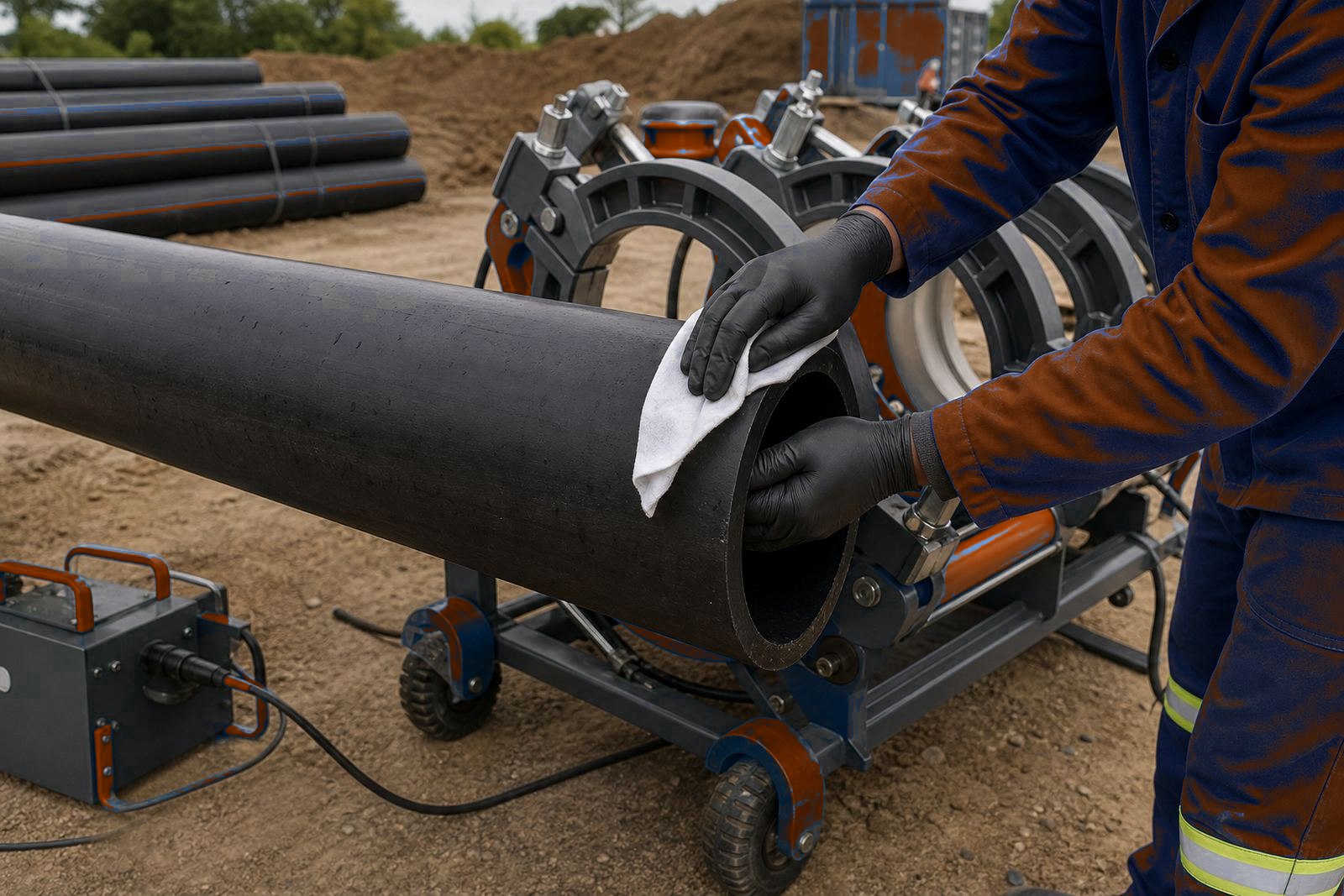
Clean Pipe Ends

Clean Pipe Ends

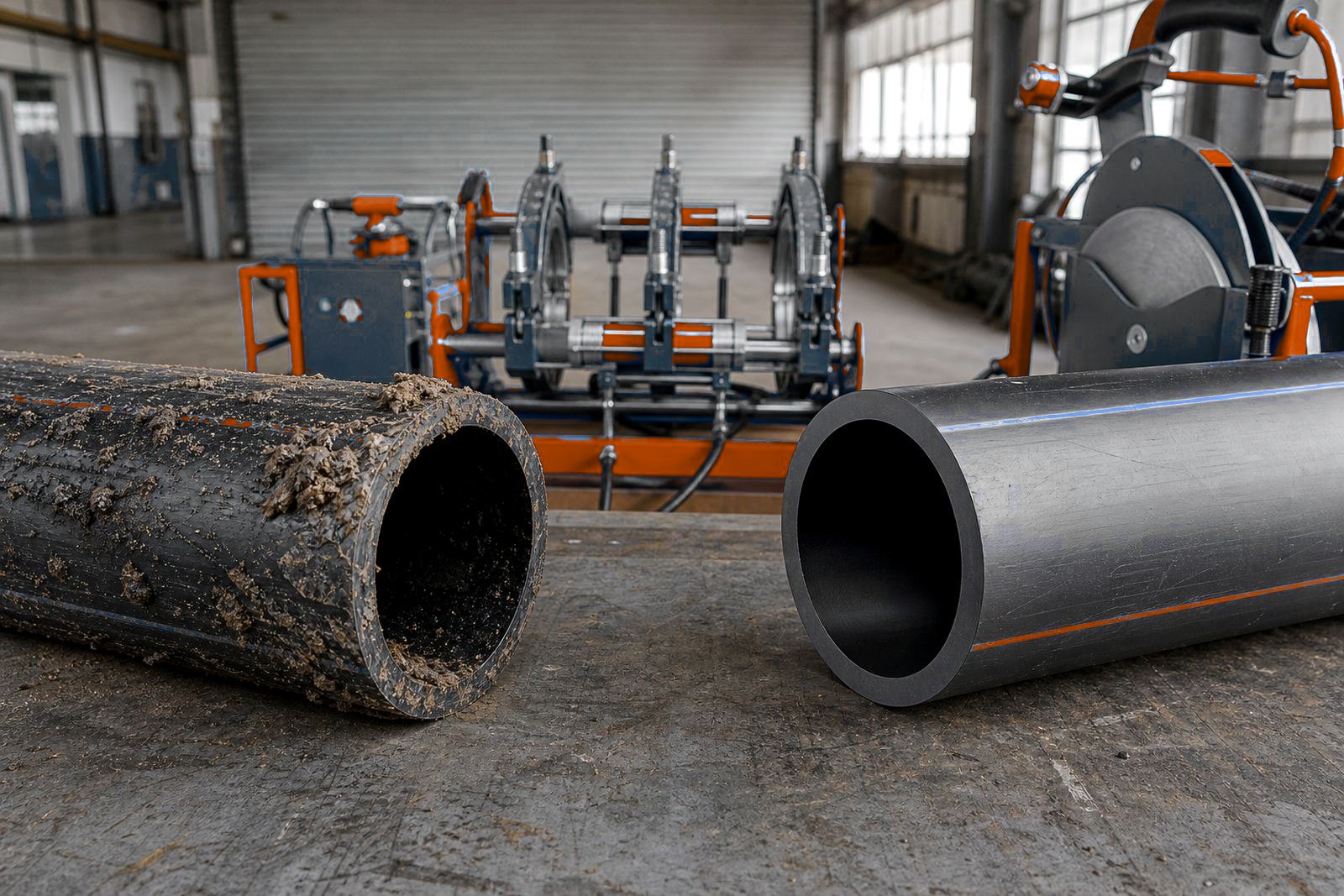
How pipe end cleanliness affects facing, heating and fusion pressure.

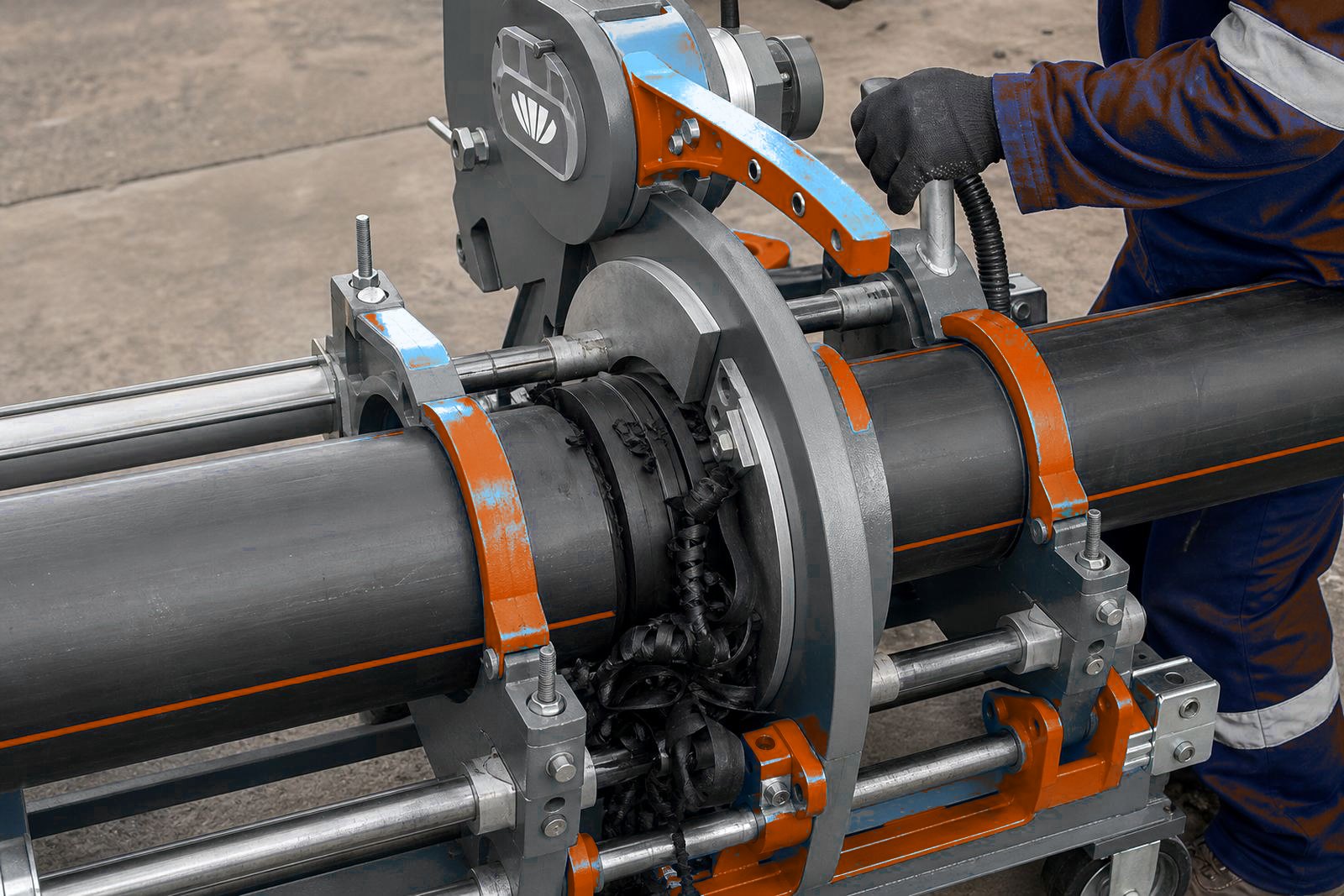
How Facing Works

How Facing Works

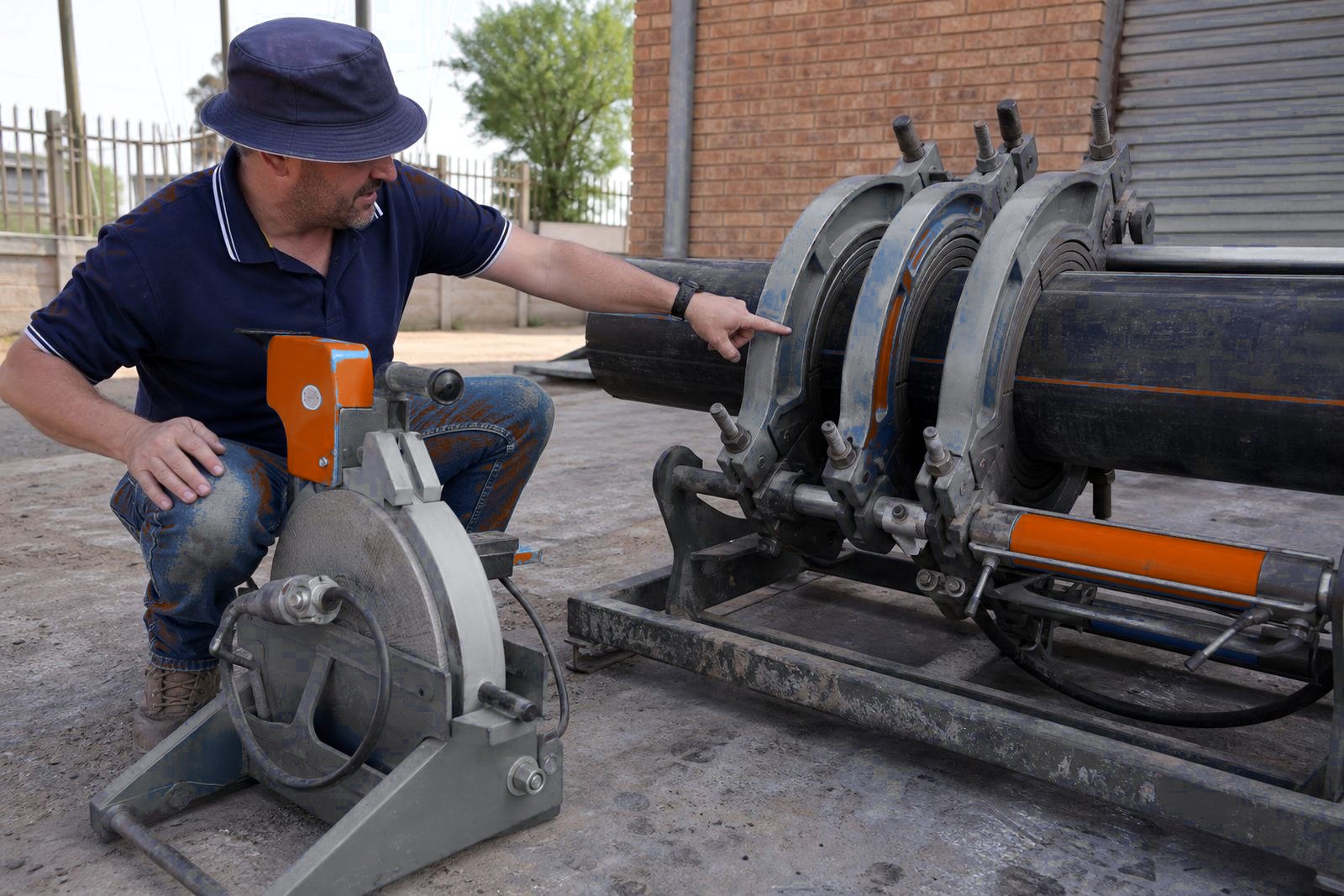
Facing makes pipe ends square and matching before contact with the heater plate.

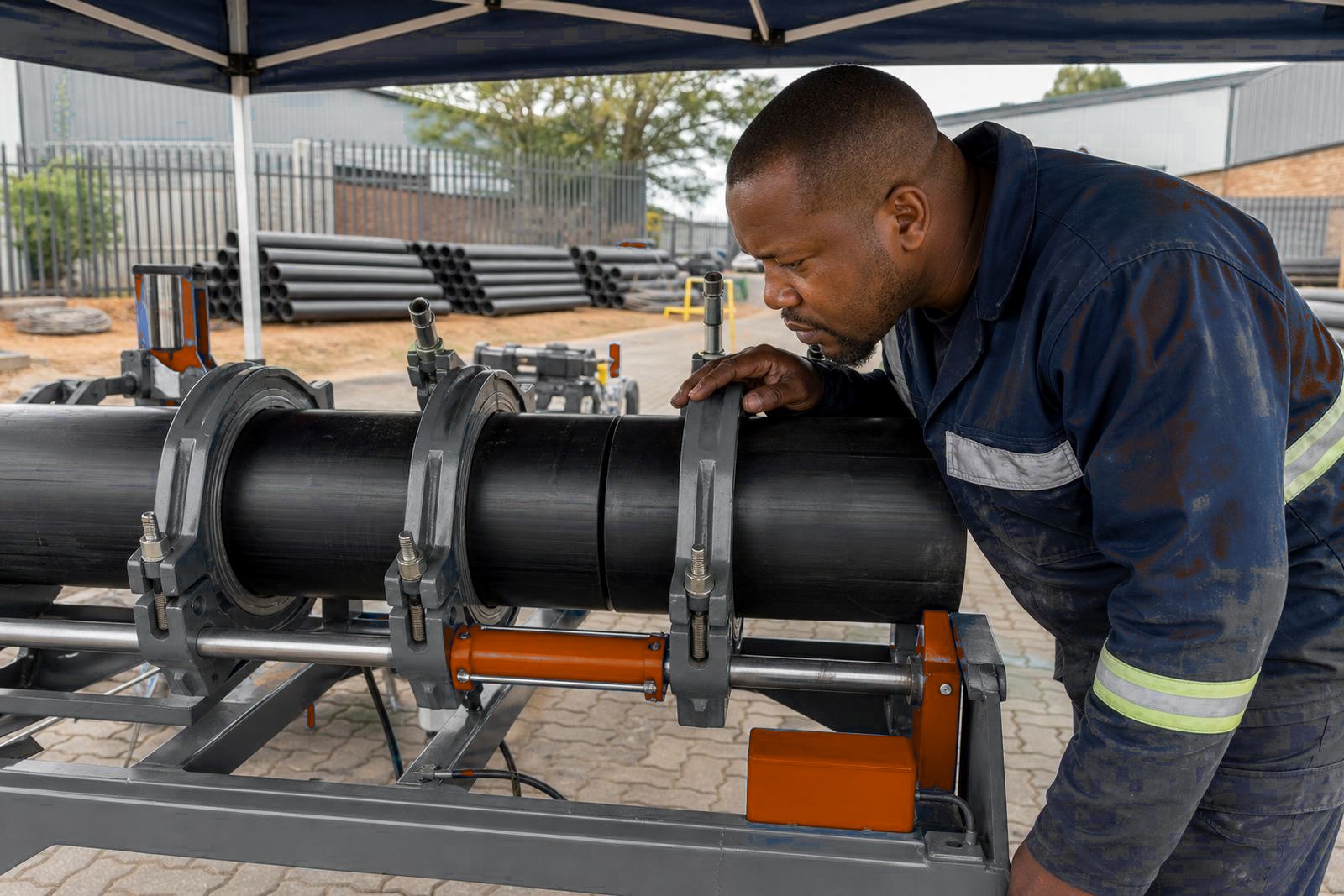
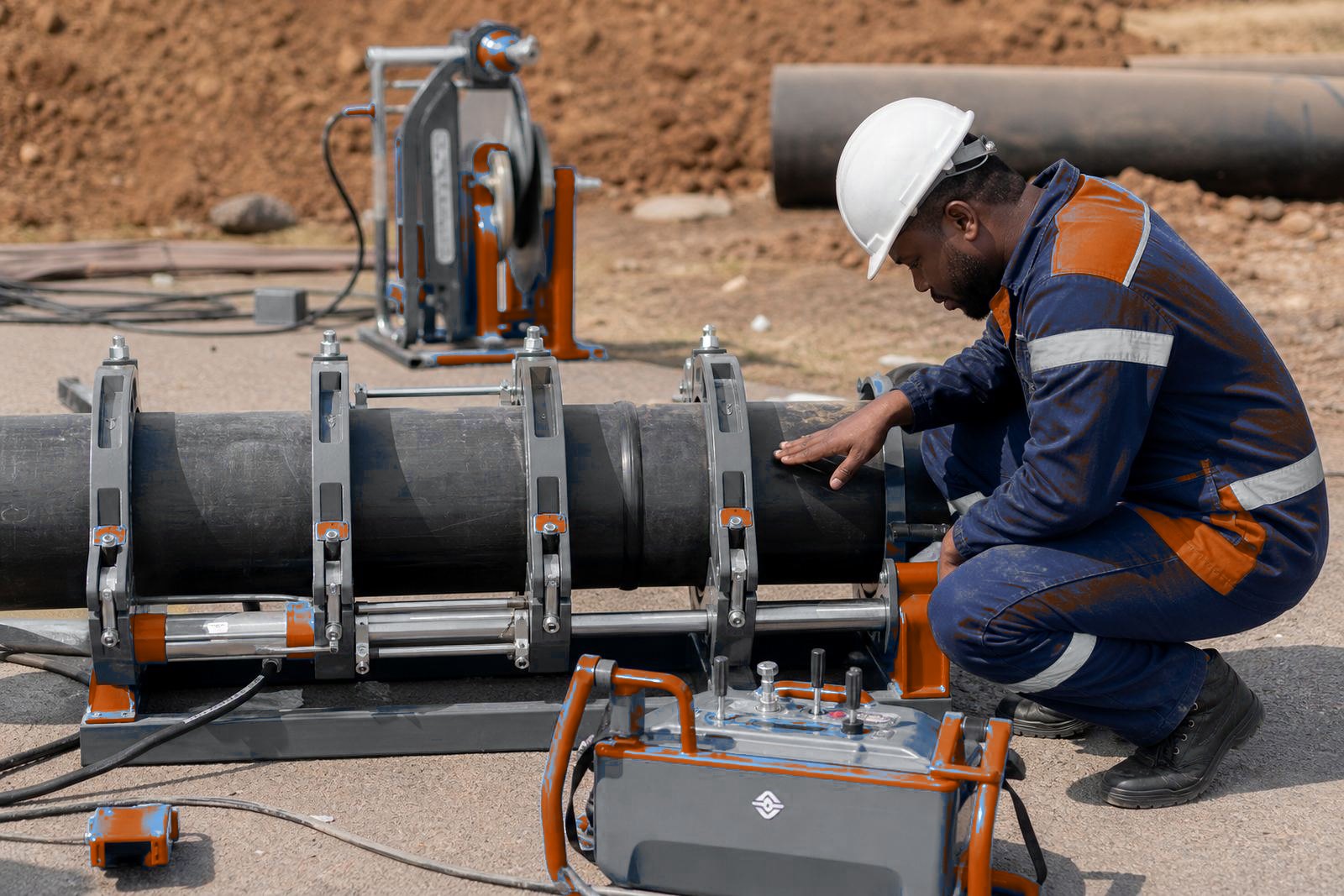
Checking Alignment

Checking Alignment

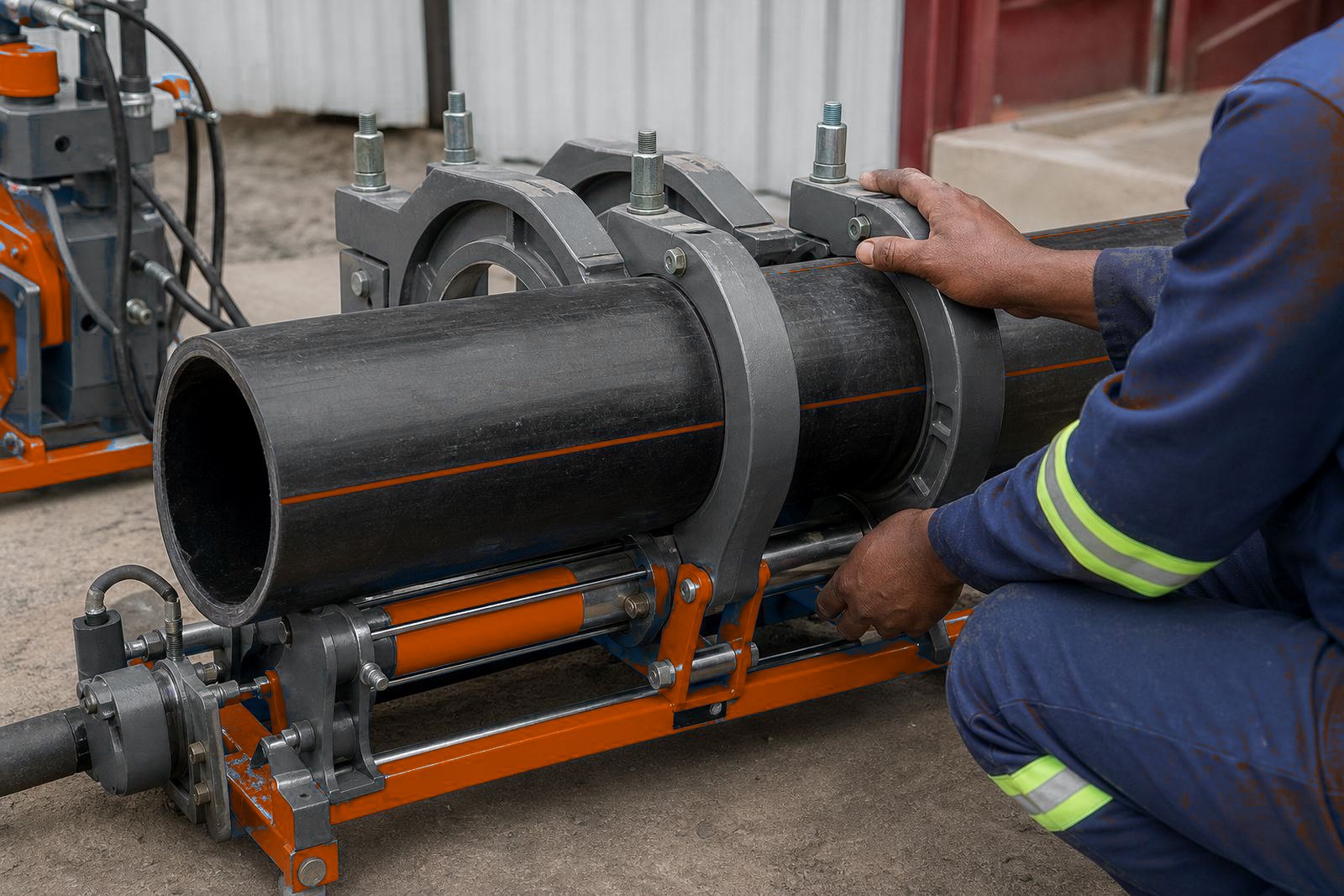
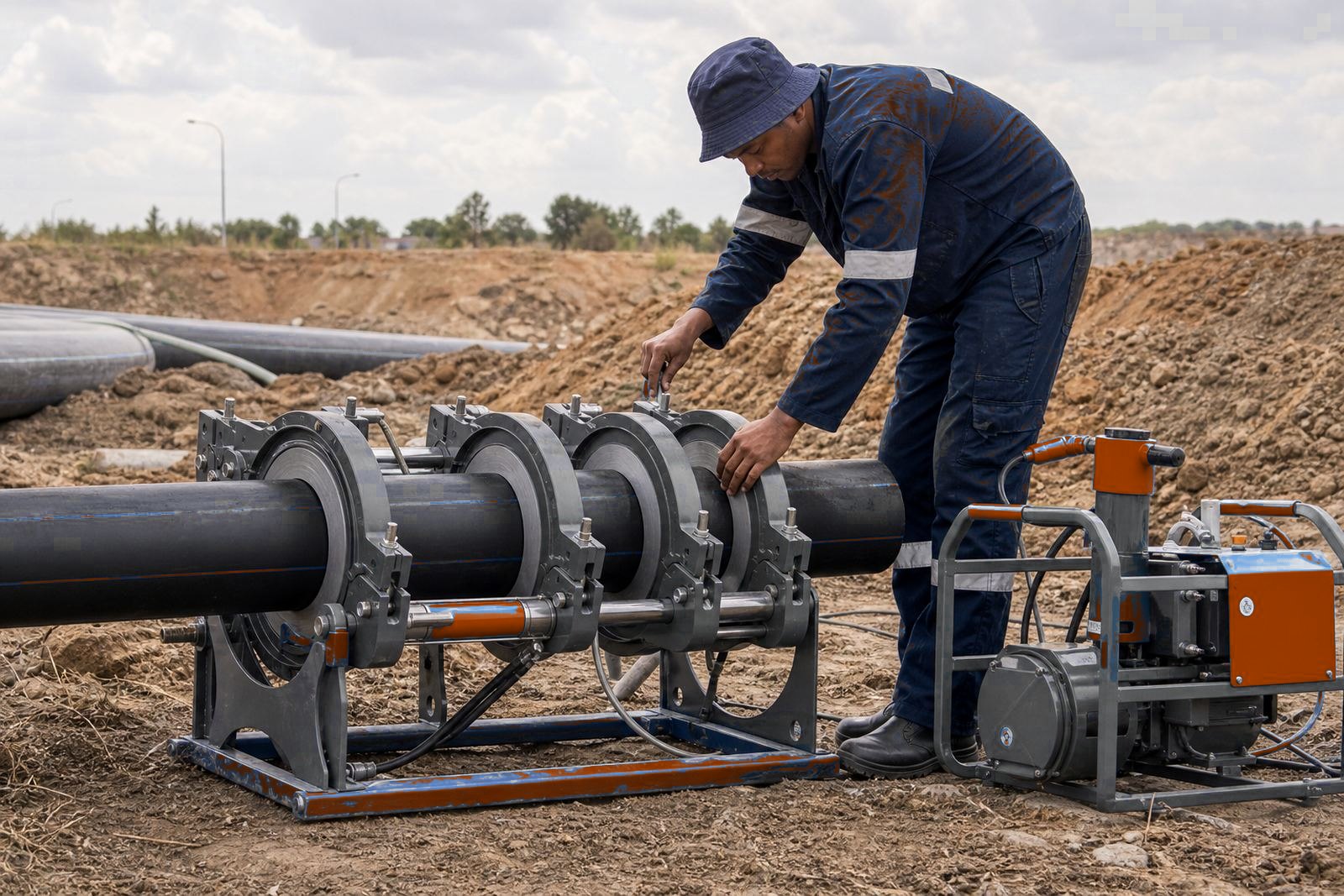
Simple alignment checks reduce offset and help produce a more even fusion bead.

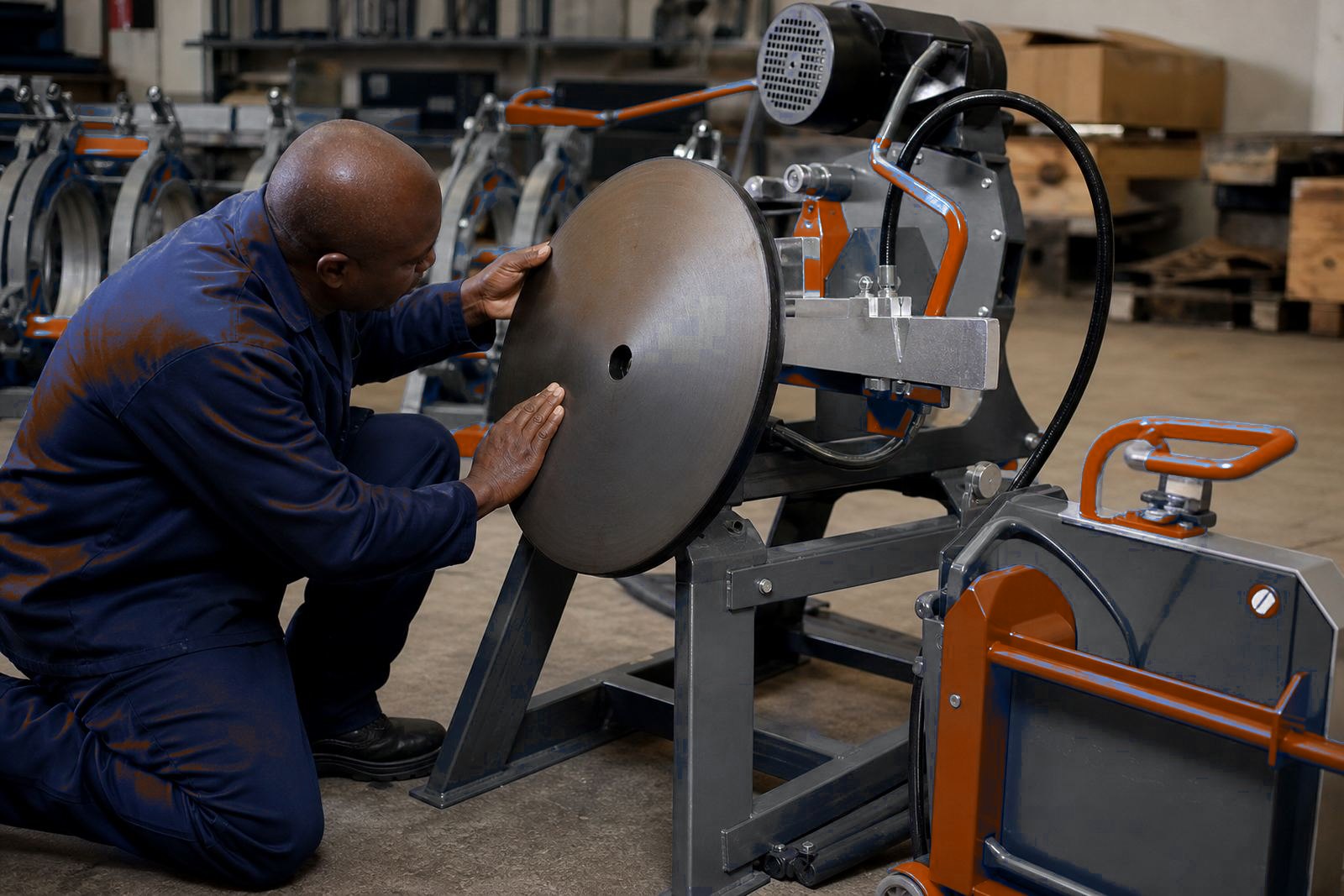
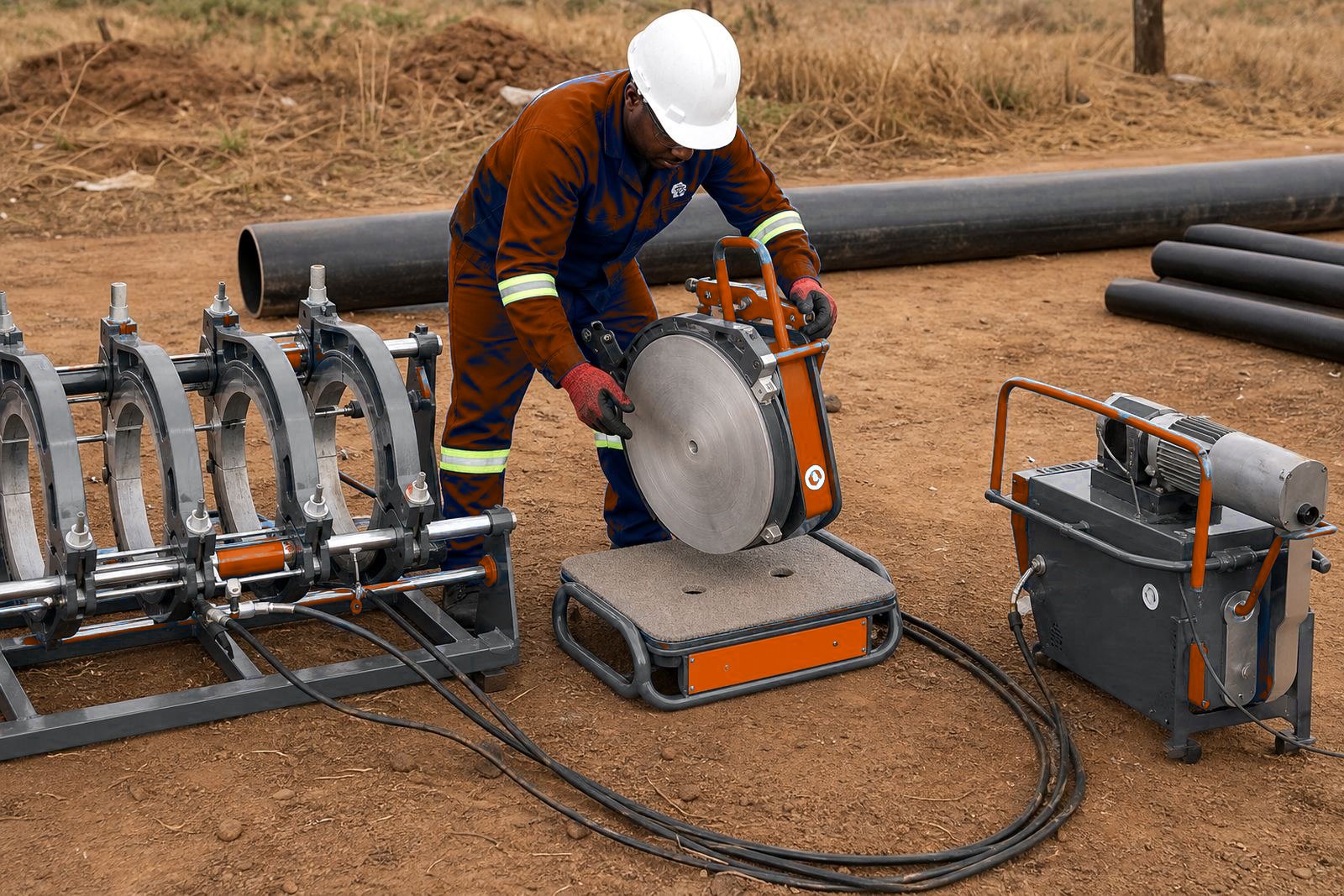
Heater Plate Care

Heater Plate Care

Heating Stage Explained

Heating Stage Explained

Bead-up and soak during the heating stage.

Changeover Time

Changeover Time

How to remove the heater quickly and under control before bringing molten faces together.

Fusion Pressure Basics

Fusion Pressure Basics

Applying fusion pressure steadily once the pipe ends meet.

Cooling Time

Cooling Time

Cooling time allows the joint to stabilise before handling or pressure loading.

Reading SDR

Reading SDR

How SDR relates to wall thickness and influences heating and fusion setup.

Pipe Size Ranges

Pipe Size Ranges

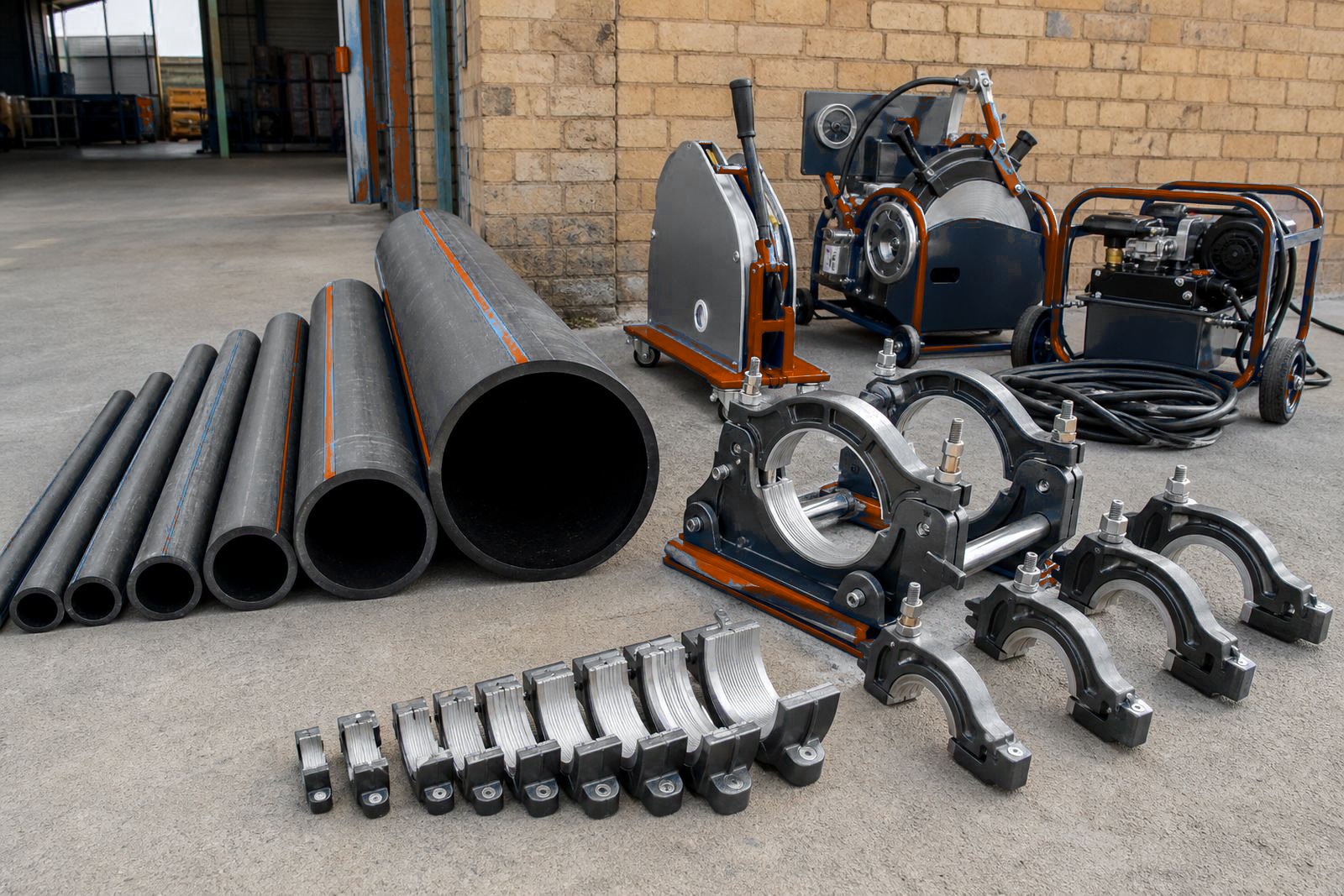
Why machine and clamp selection must suit the actual pipe size range.

Thin Wall Pipe

Thin Wall Pipe

Handling notes for thinner-wall HDPE pipe where heat input can build quickly.

Thick Wall Pipe

Thick Wall Pipe

What changes when welding thicker-wall HDPE pipe sections with longer heating demands.

Wind And Dust

Wind And Dust

Field conditions like wind and dust can affect cleanliness and heat retention.

Cold Weather Fusion

Cold Weather Fusion

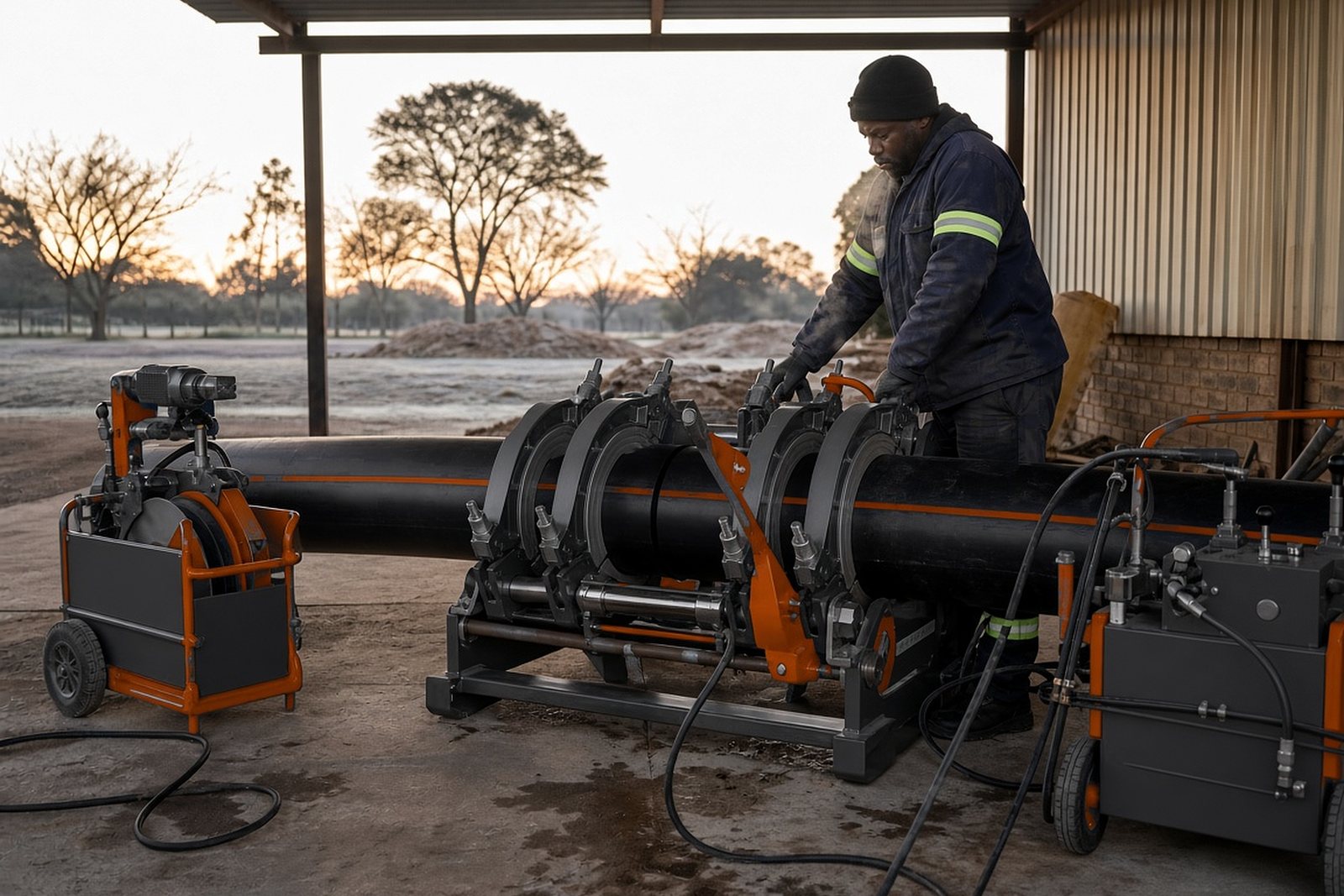
Extra care in colder conditions can help keep setup and timing more consistent.

Hot Weather Fusion

Hot Weather Fusion

Working in high ambient temperatures changes handling pace and equipment checks.

Pipe Support Spacing

Pipe Support Spacing

Good pipe support reduces drag, sag and misalignment at the fusion machine.

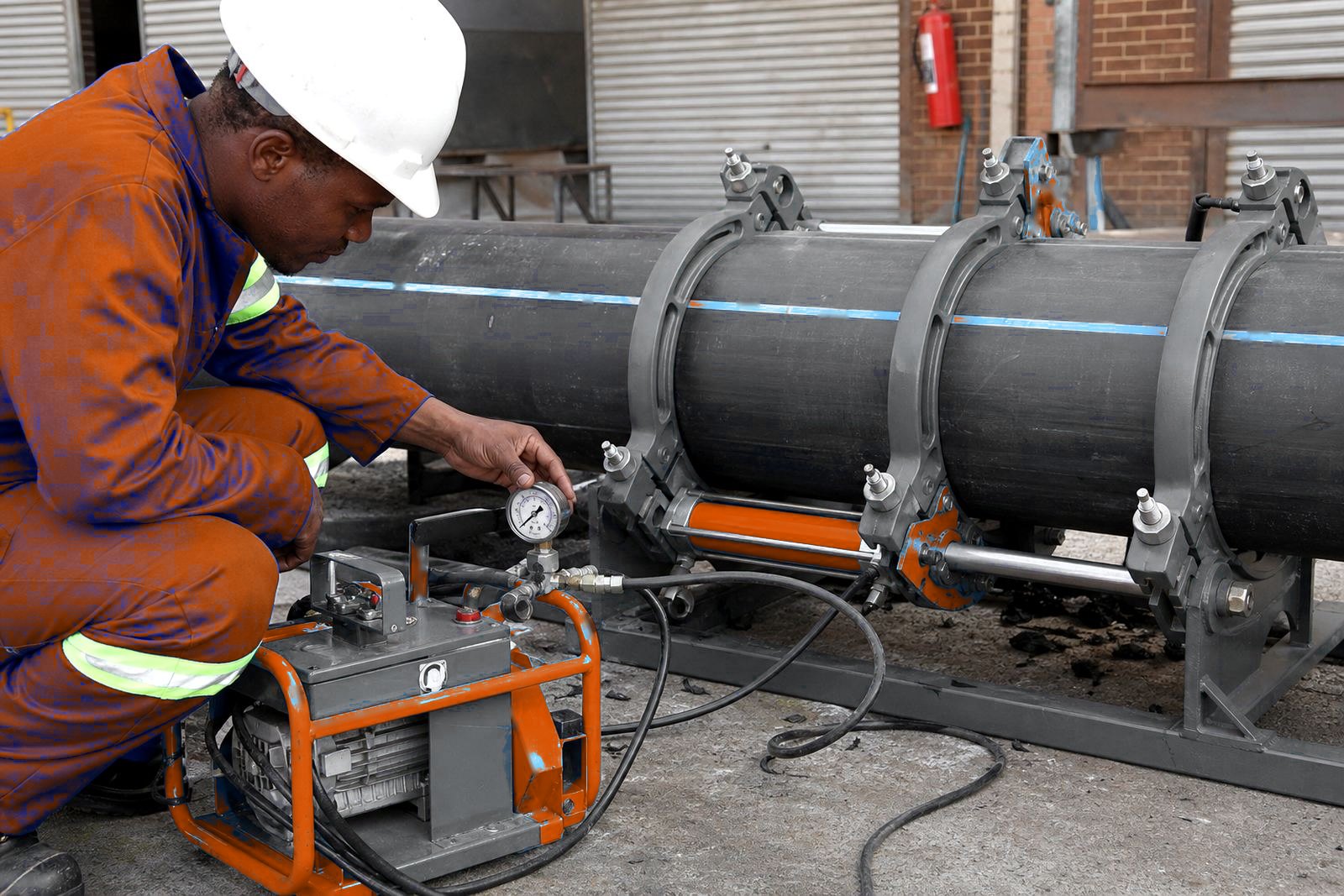
Understanding Drag Pressure

Understanding Drag Pressure

Drag pressure must be considered so actual fusion force is not misread.

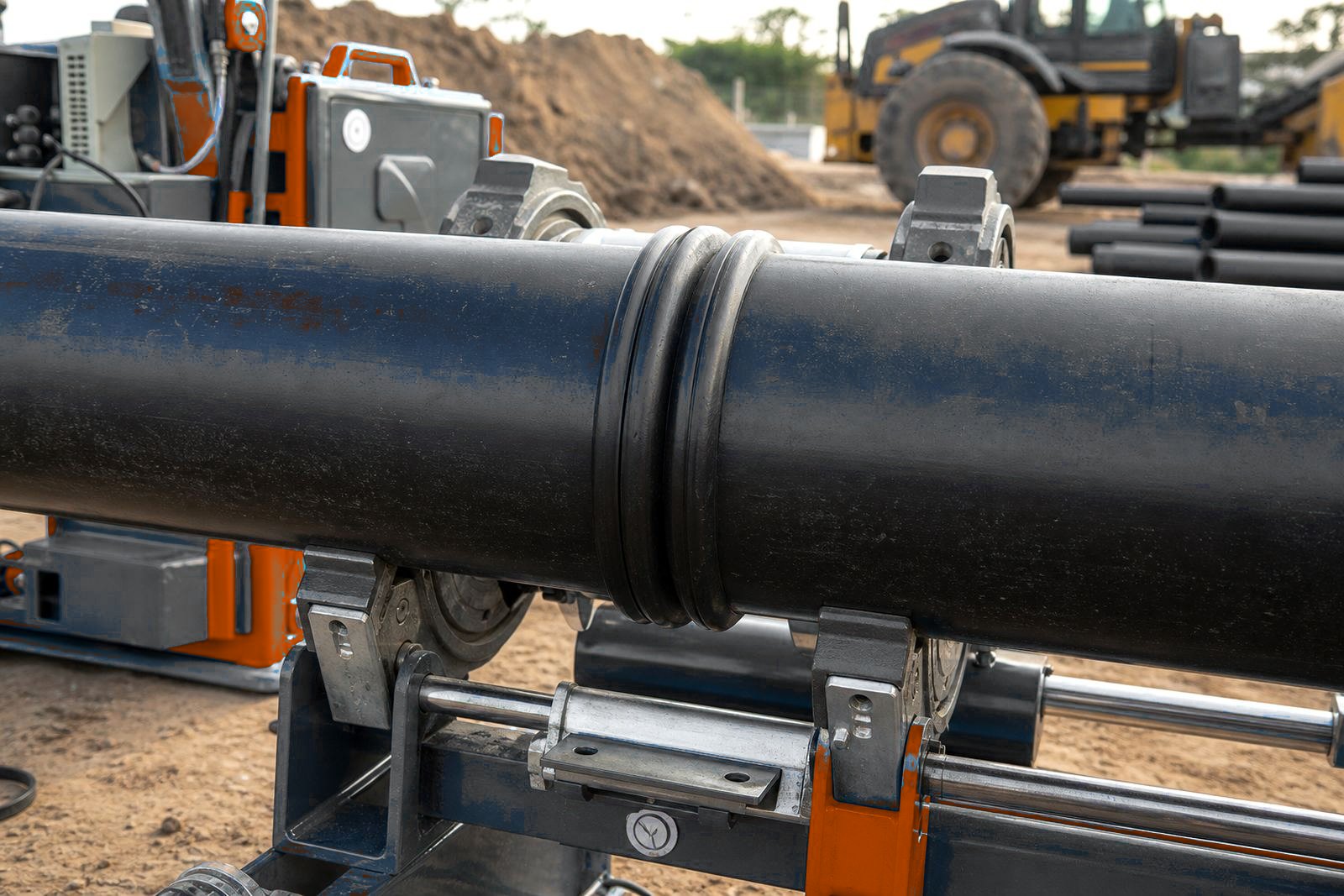
Bead Inspection Basics

Bead Inspection Basics

What an even external bead can suggest after a butt-fusion weld is cooled.

Bead Width Look

Bead Width Look

Checking that the bead is the same width all the way round the pipe.

Offset At Joint

Offset At Joint

Joint offset often points back to alignment or clamping issues during setup.

Surface Contamination Risks

Surface Contamination Risks

Dust, grease and moisture weaken a weld before pressure is applied.

Out Of Round Pipe

Out Of Round Pipe

Out-of-round pipe can complicate alignment, facing contact and bead uniformity.

Short Spool Joints

Short Spool Joints

Short pieces need careful clamping and support to keep the weld stable.

Long Pipe Strings

Long Pipe Strings

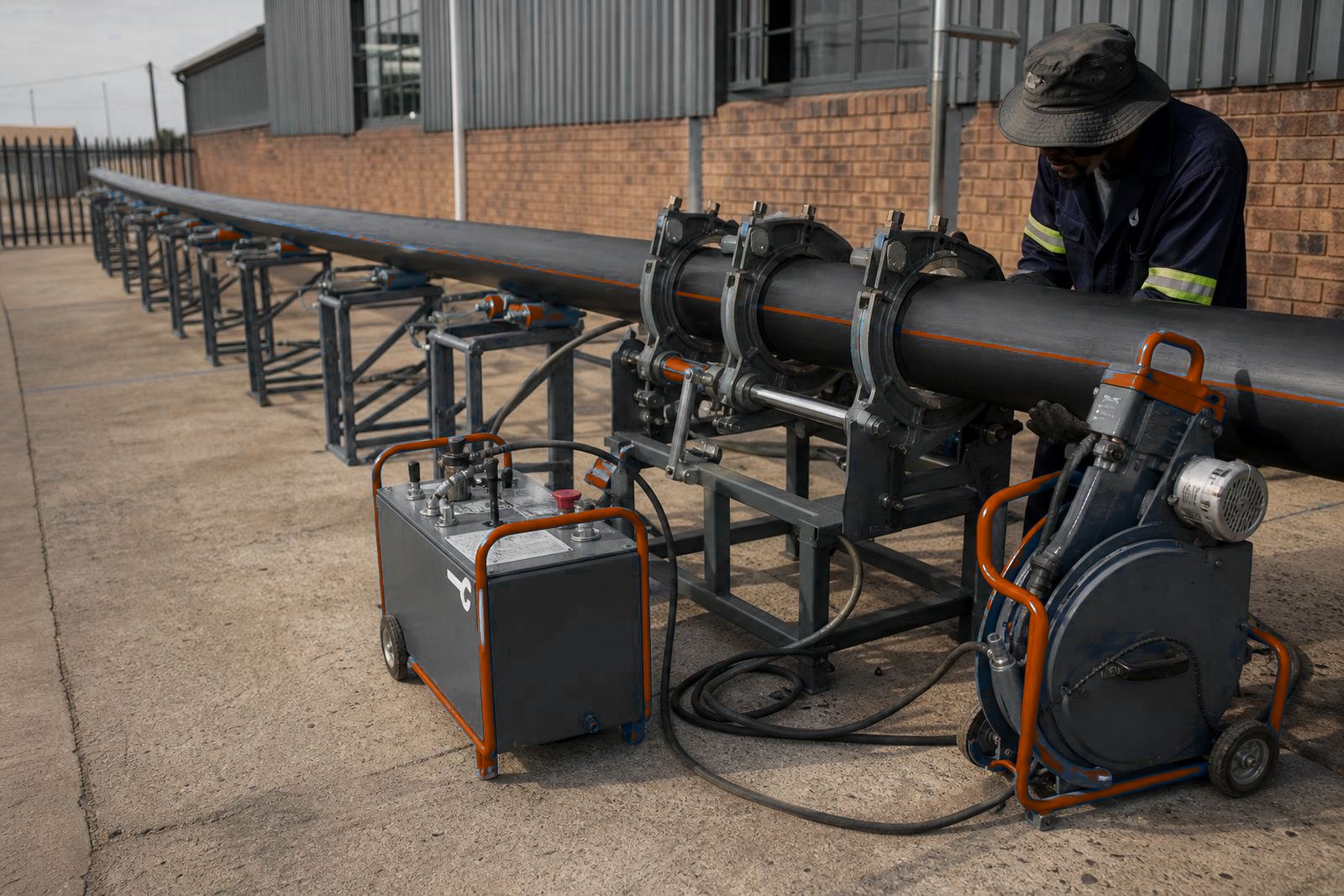
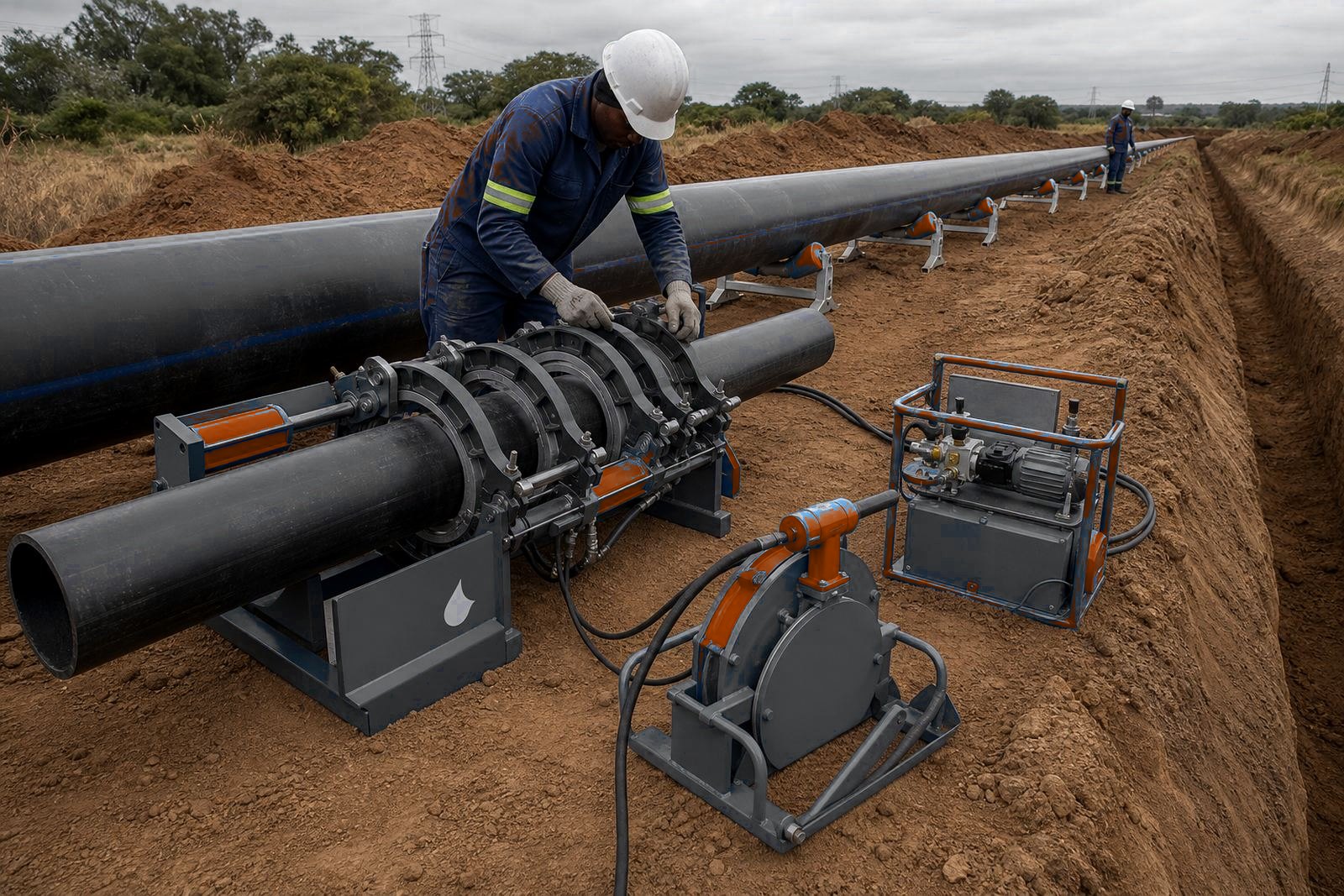
Managing long pipe strings means controlling support, drag and movement near the joint.

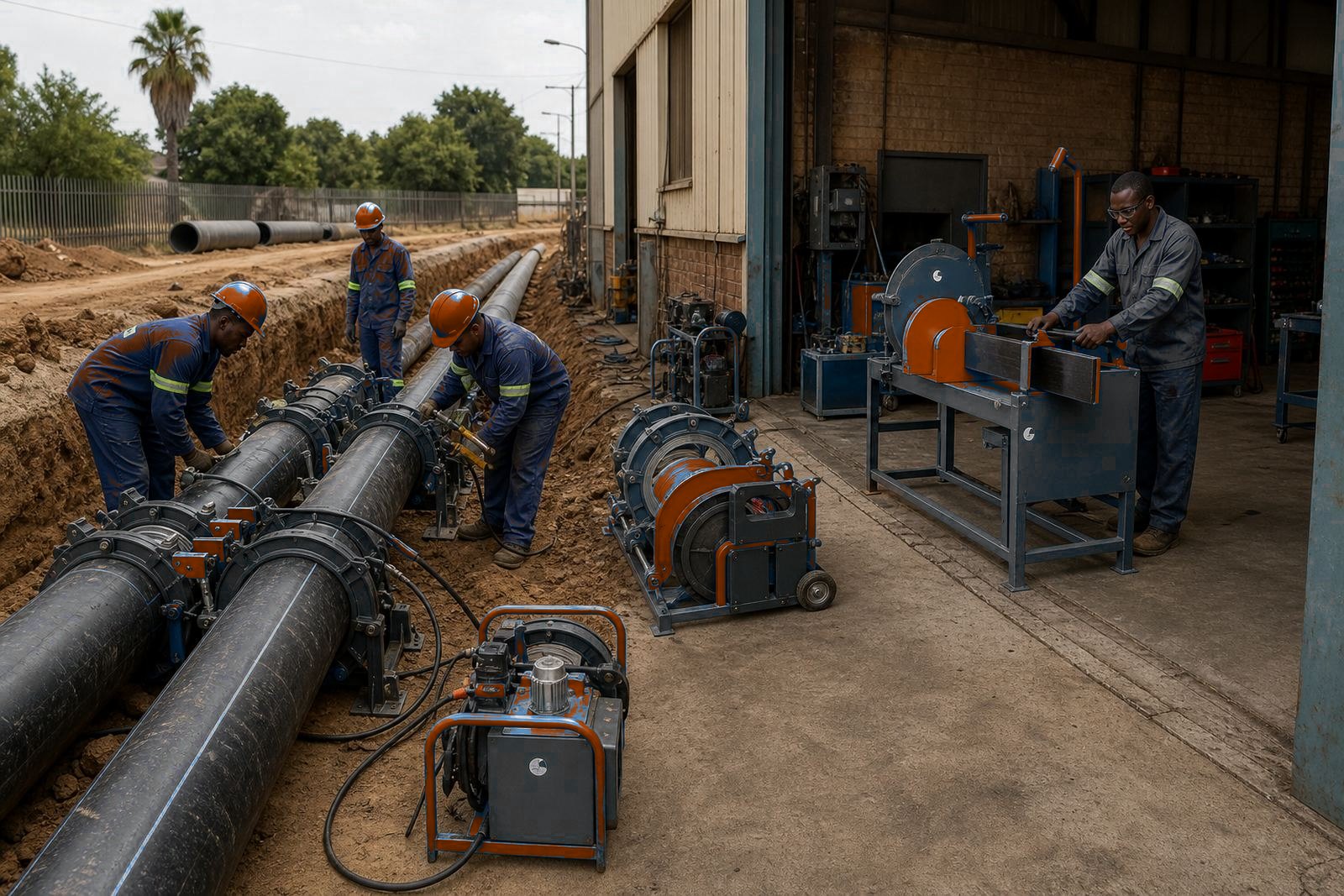
Field Versus Workshop

Field Versus Workshop

Field welding and workshop fabrication often demand different setup priorities.

Why Data Logging

Why Data Logging

Weld data logging can help record cycle details for quality follow-up.

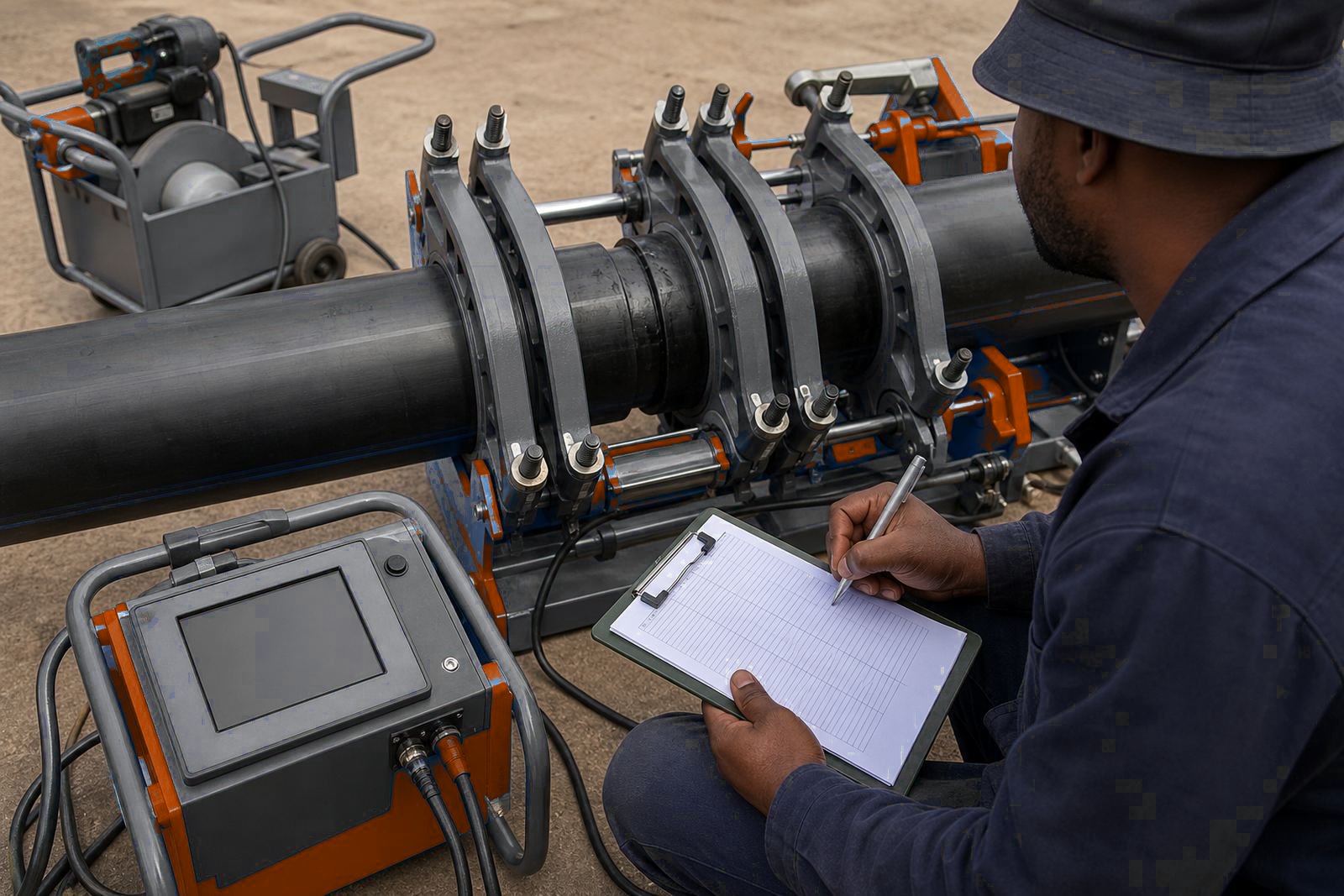
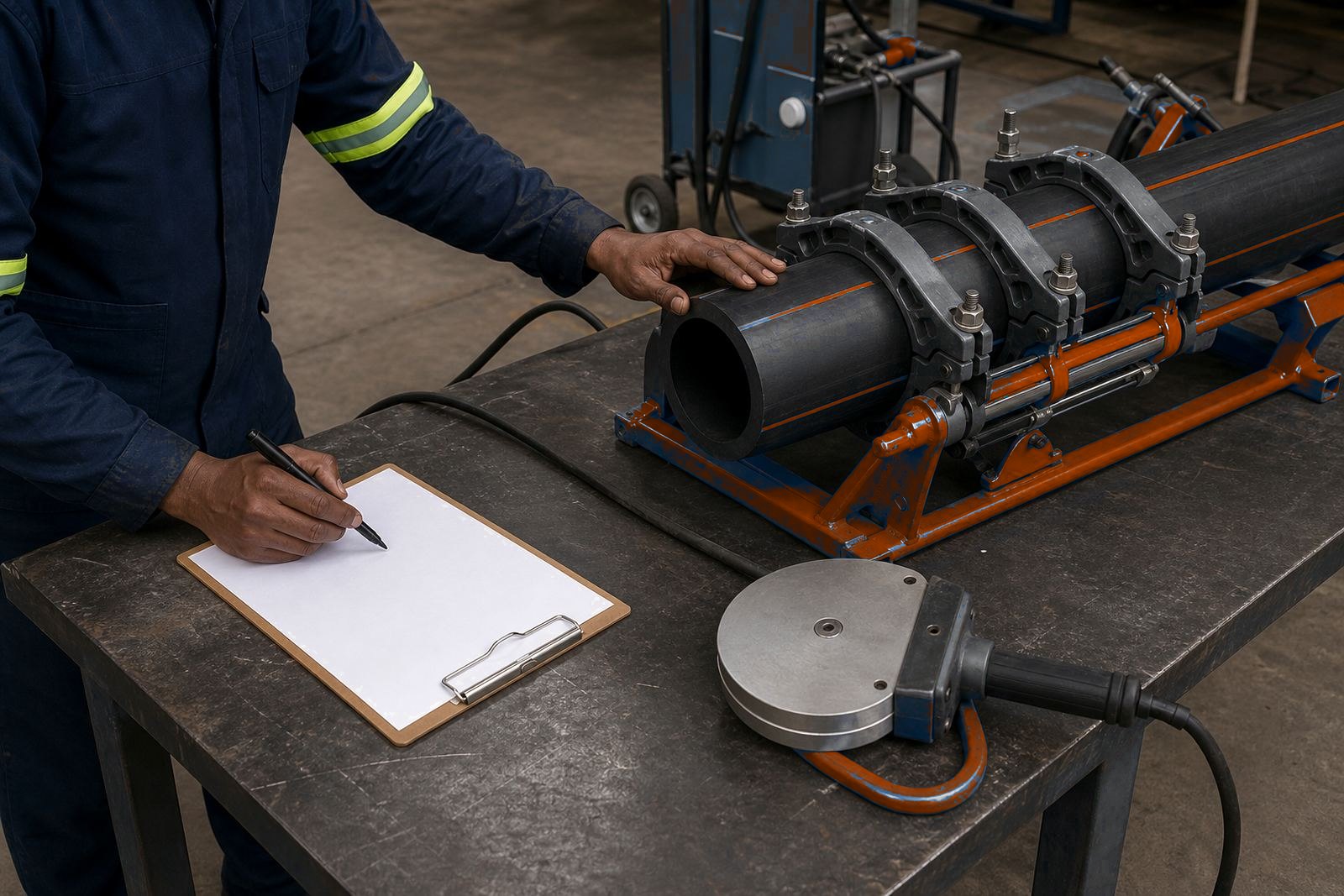
Manual Weld Records

Manual Weld Records

A paper weld record can still capture important job information when used consistently.

Heater Removal Rhythm

Heater Removal Rhythm

Smooth heater removal helps keep the molten faces undisturbed before fusion.

After Weld Handling

After Weld Handling

Handling a joint too early can stress the connection before full cooling.

Common Site Errors

Common Site Errors

Machine On Level Ground

Machine On Level Ground

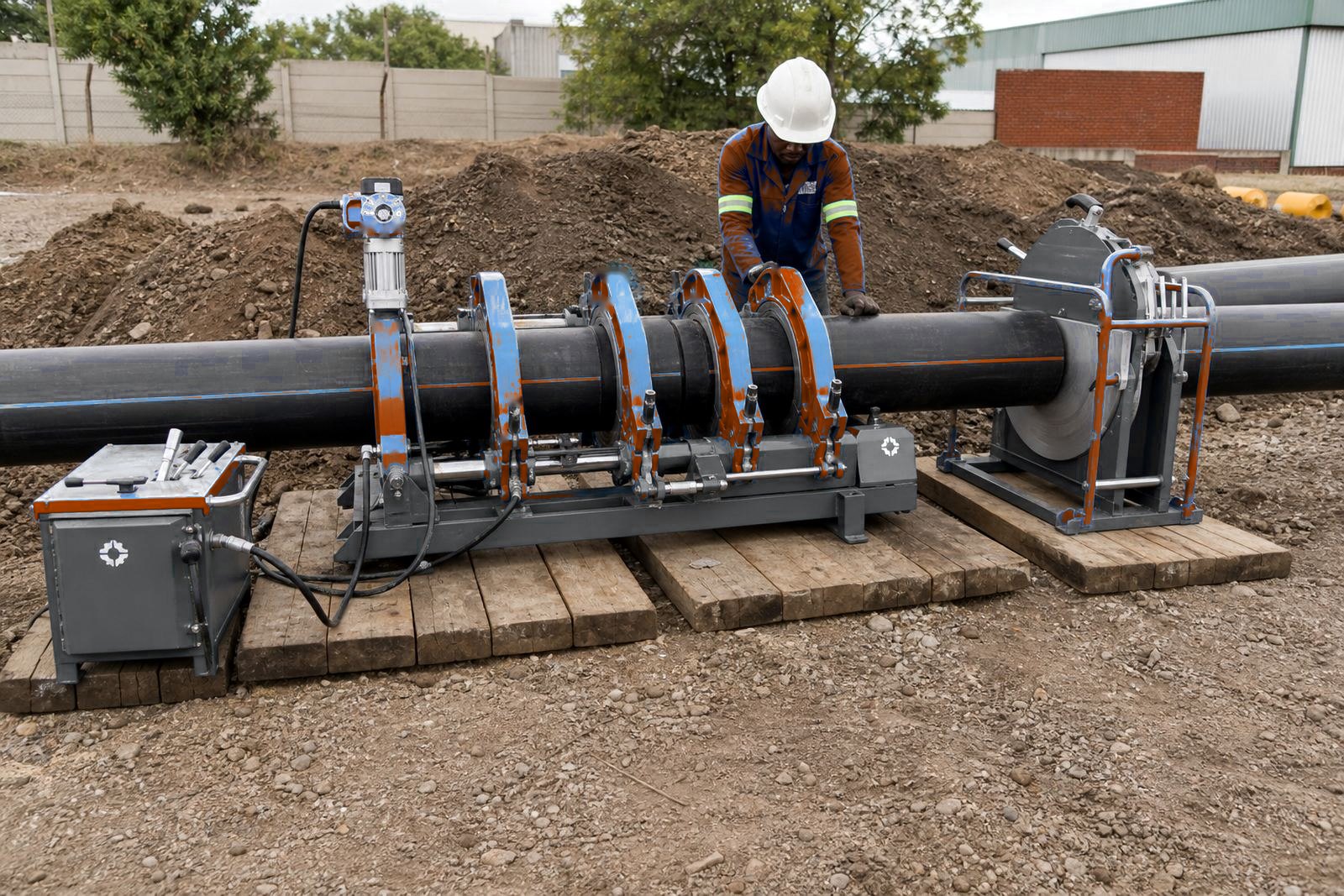
A stable, level base helps machine movement and pipe support stay more controlled.

Generator Power Checks

Generator Power Checks

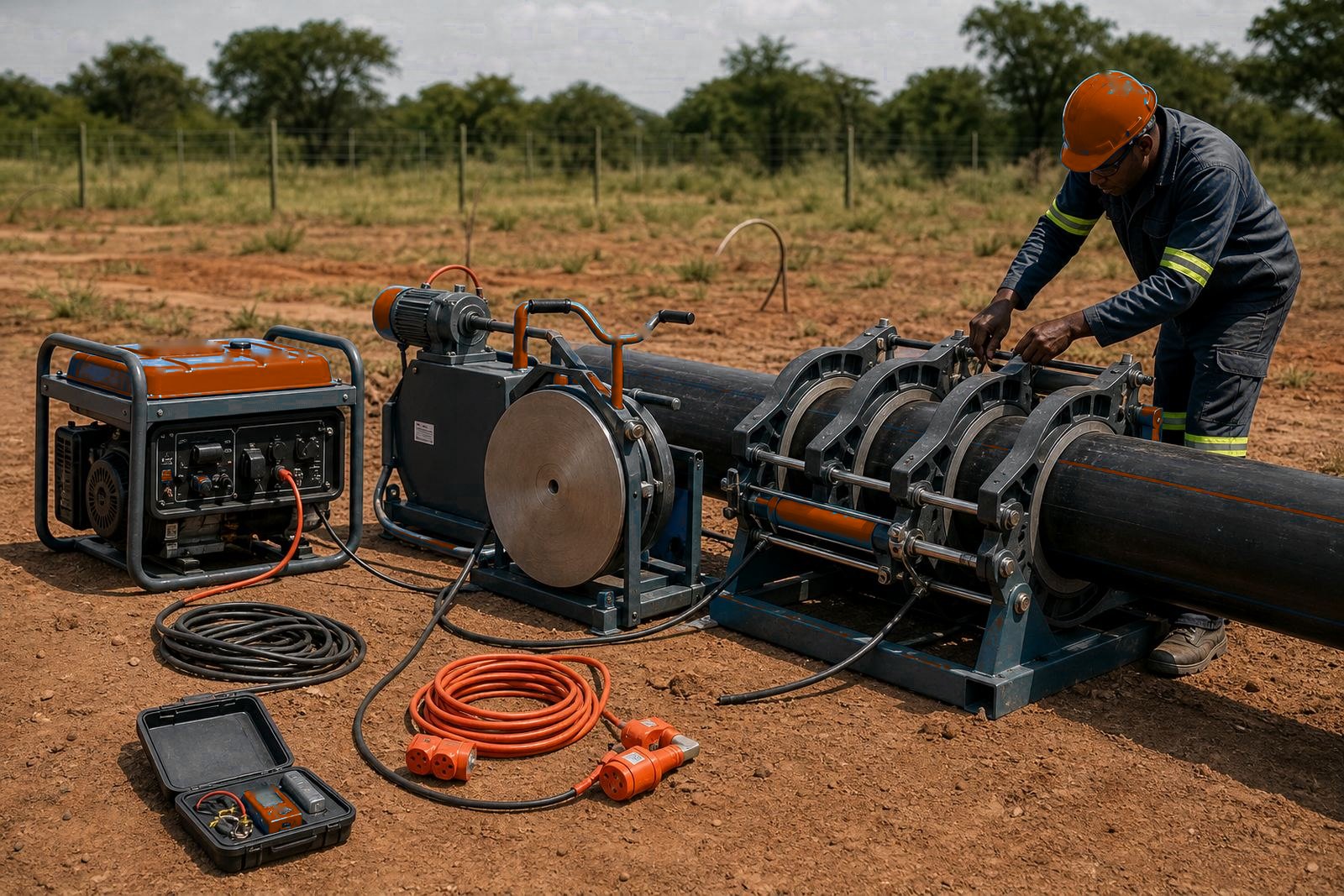
Portable power should be checked so heaters and tools perform as expected.

Training New Operators

Training New Operators

New operators benefit from supervised repetition of each step in the fusion cycle.

Service Before Hire

Service Before Hire

Pre-hire servicing helps ensure machines arrive ready for productive site work.

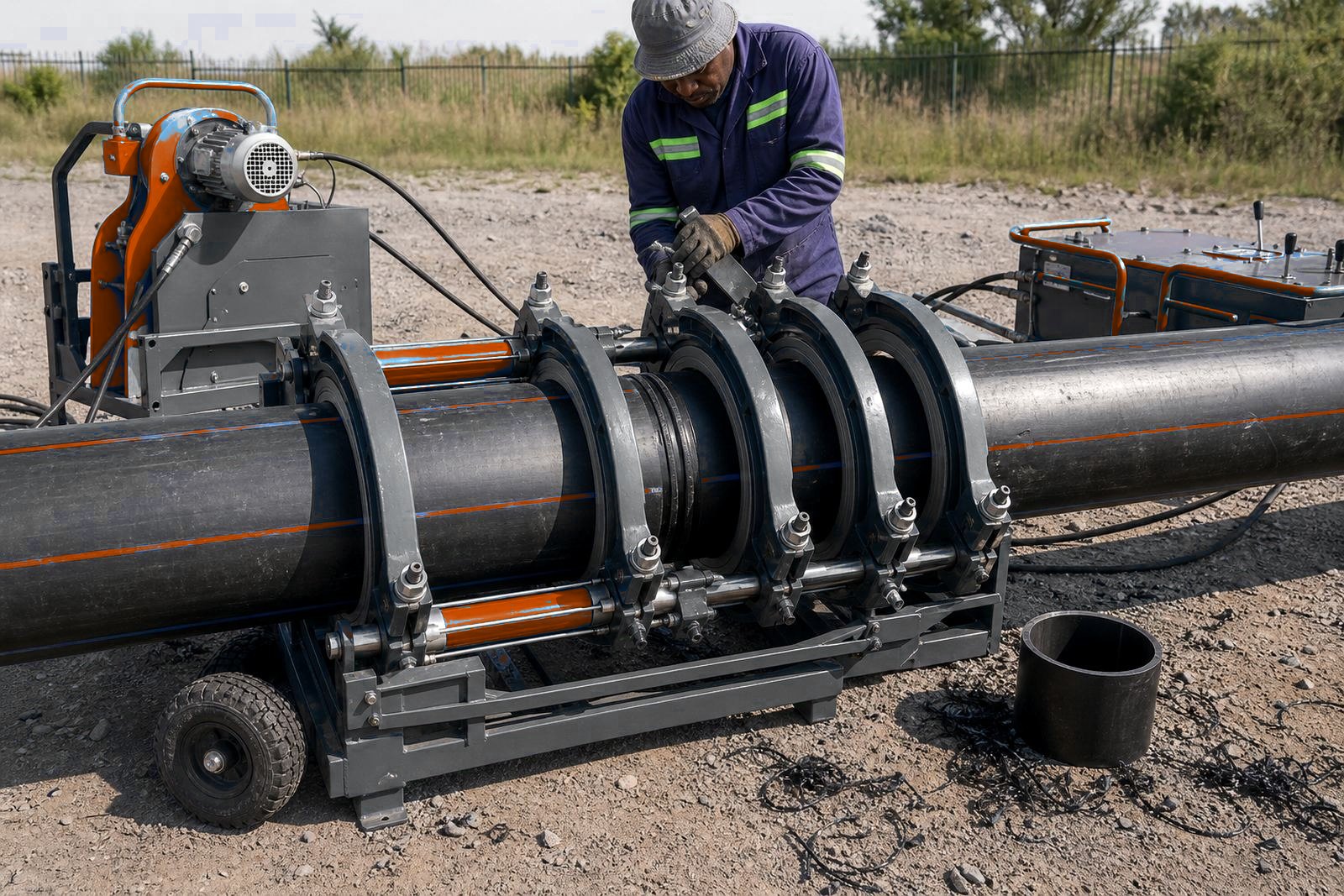
Pipe end preparation

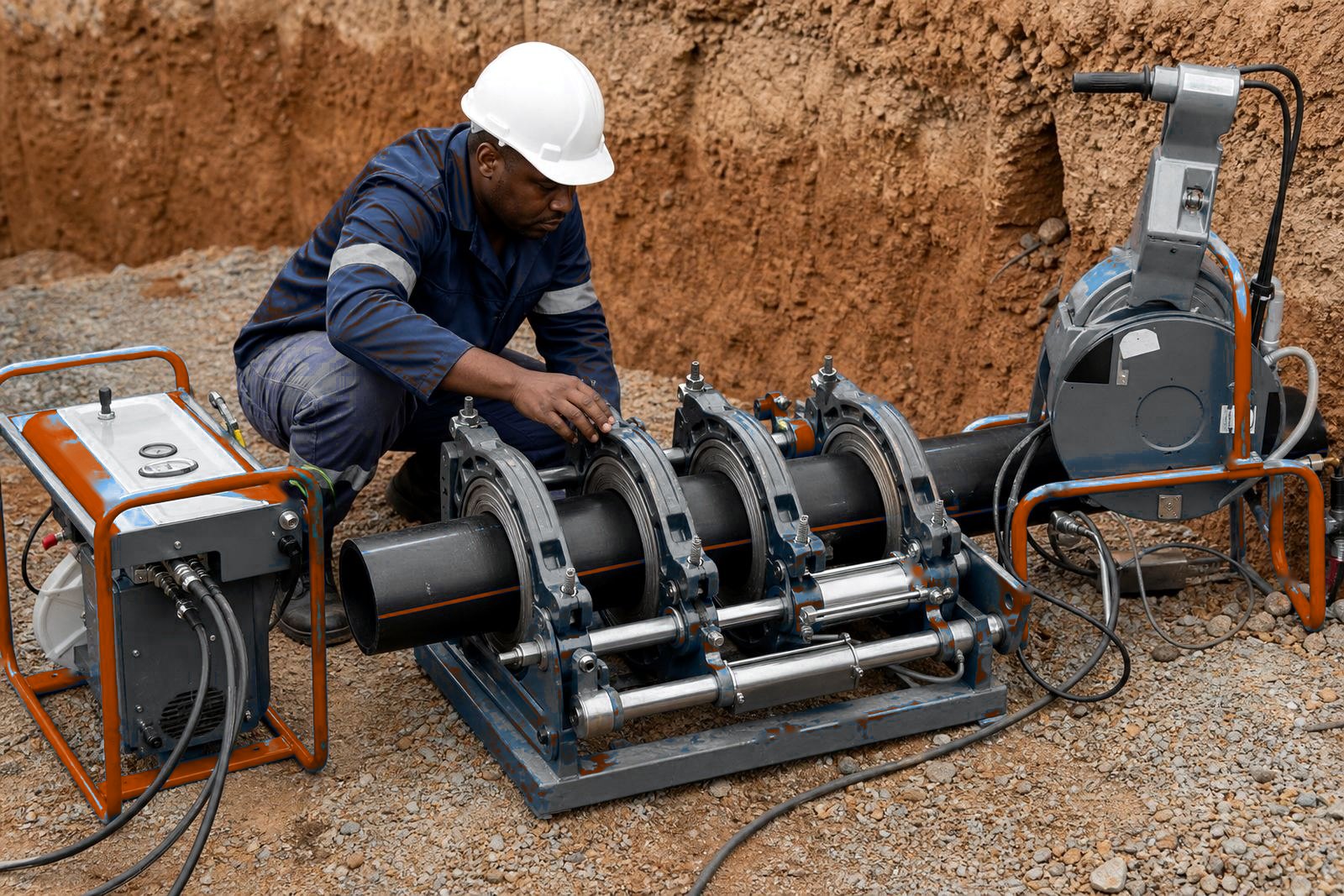
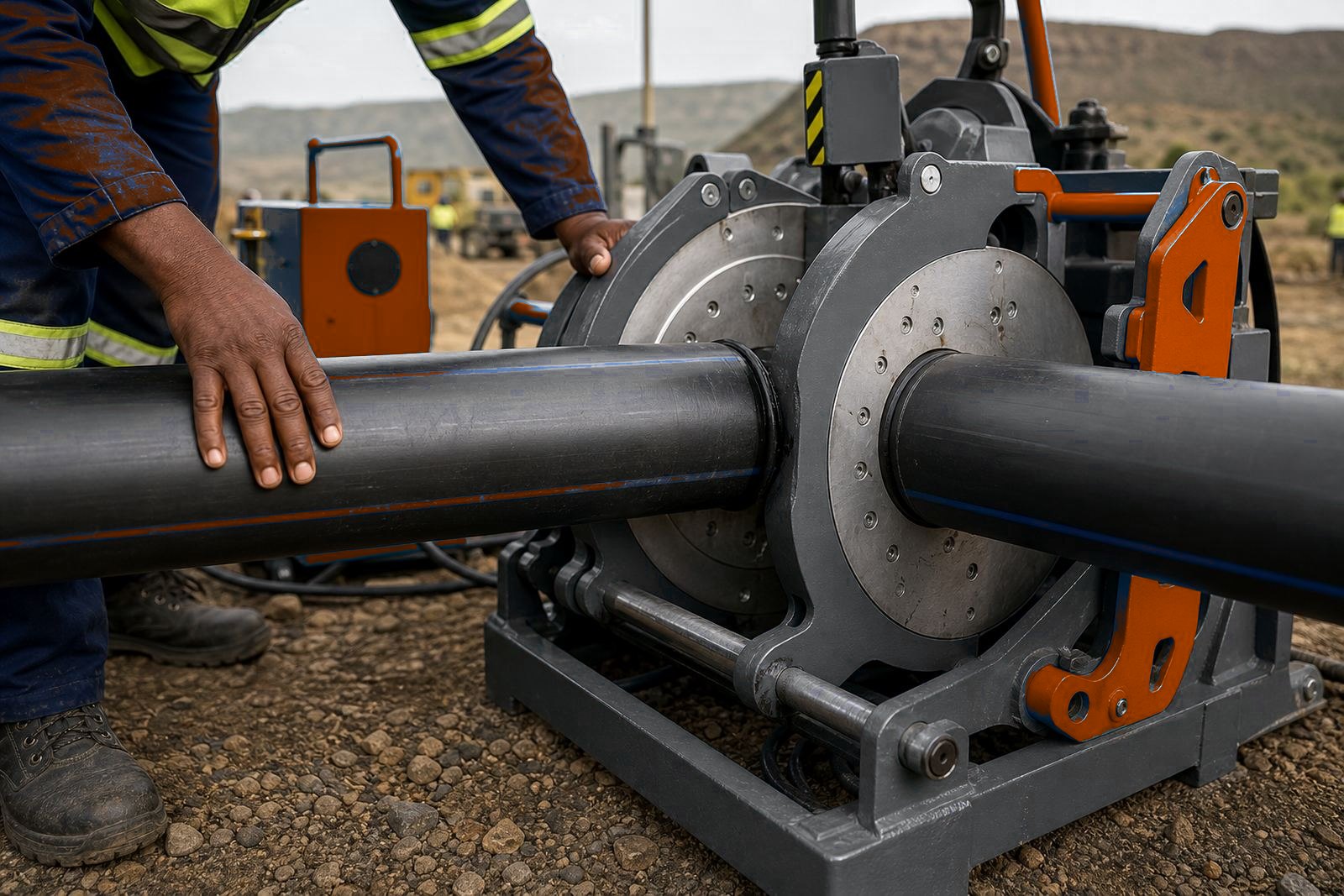
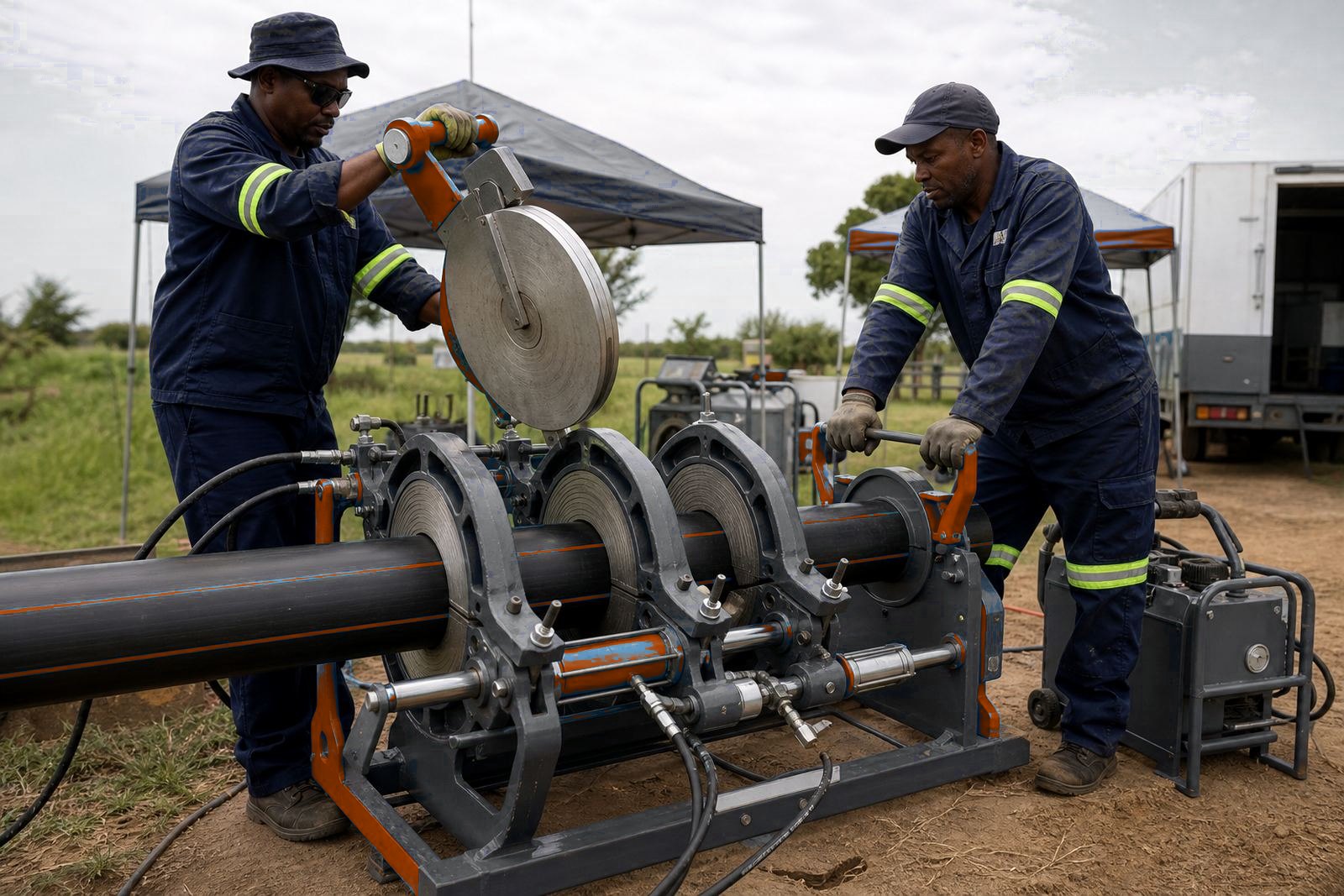
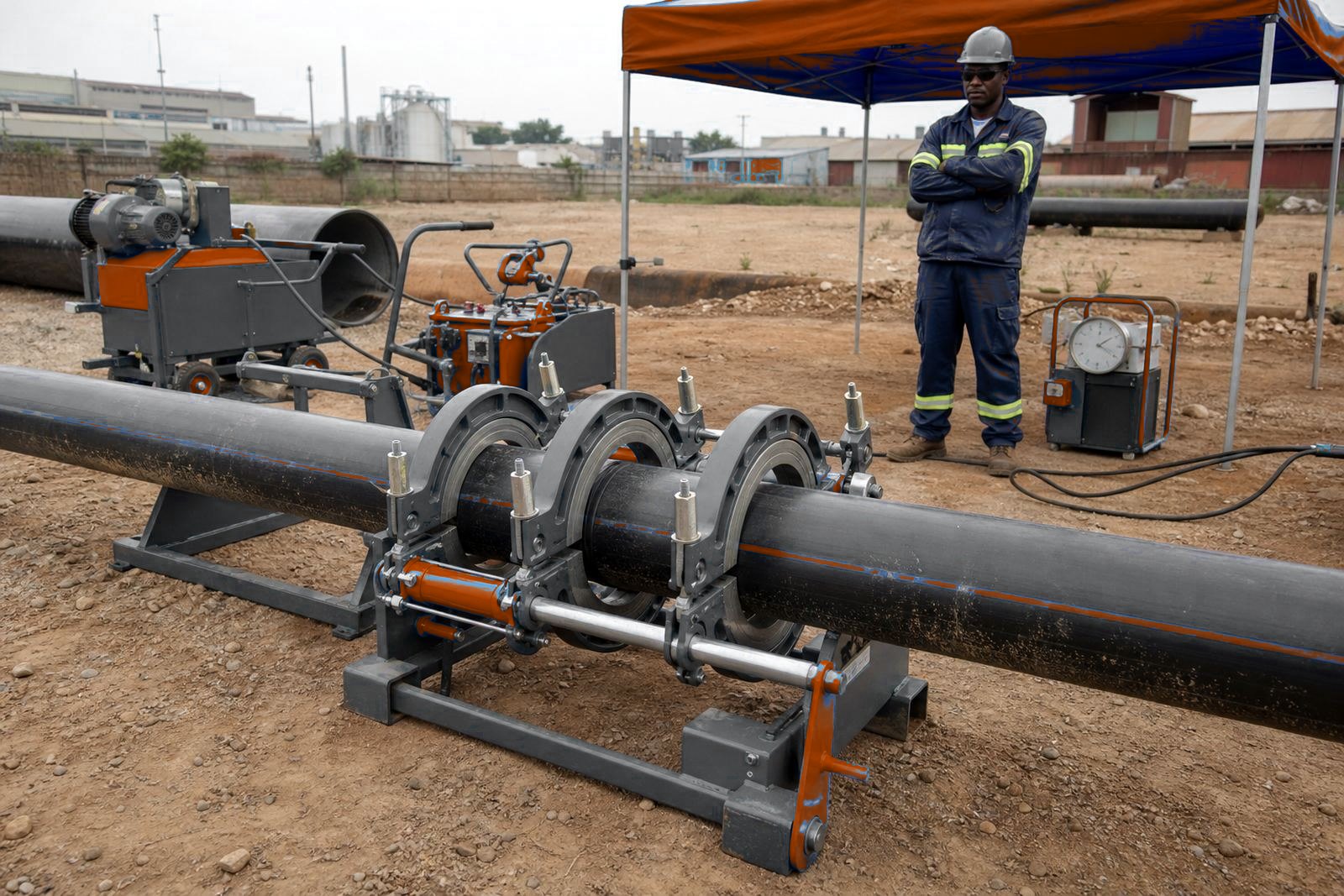
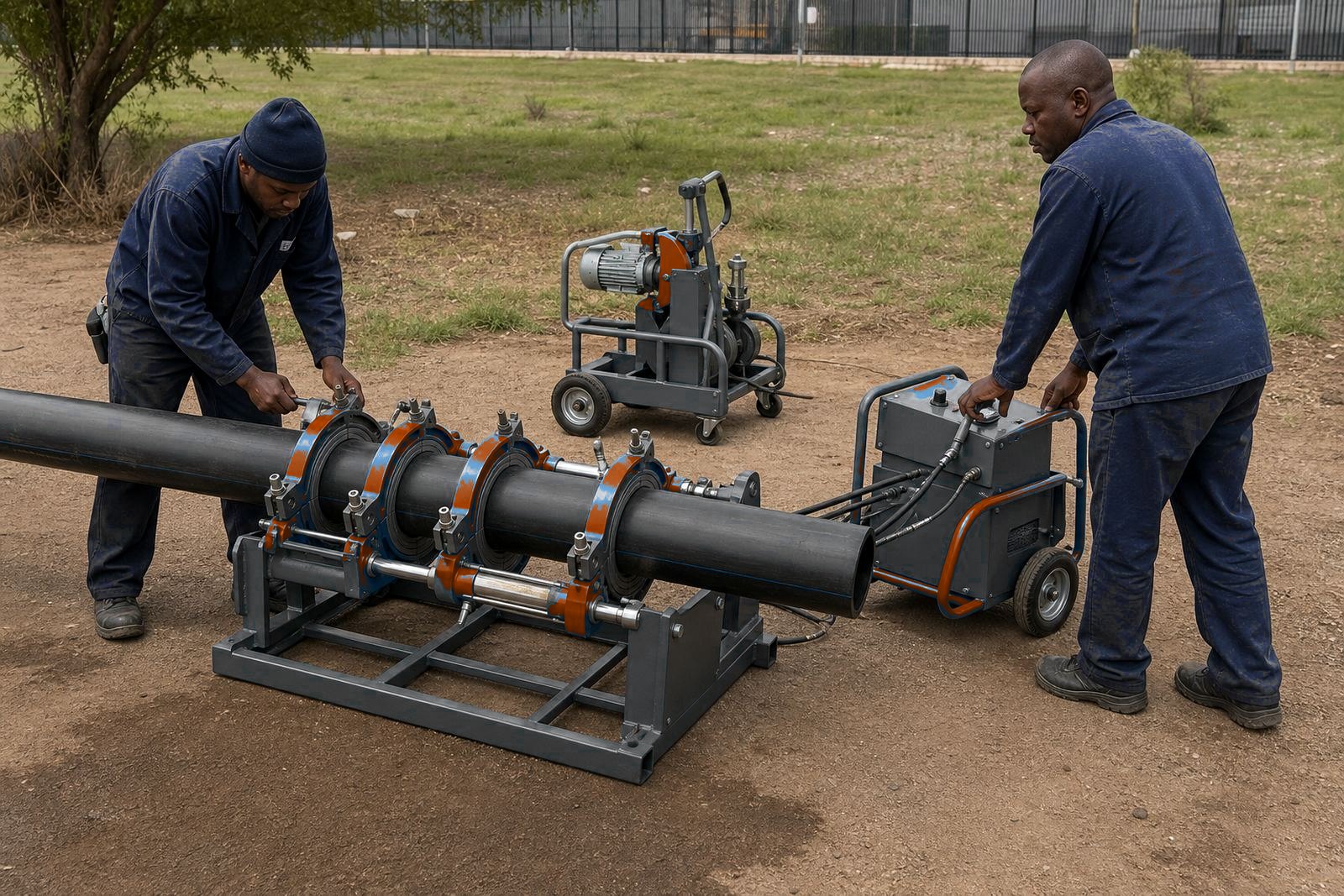
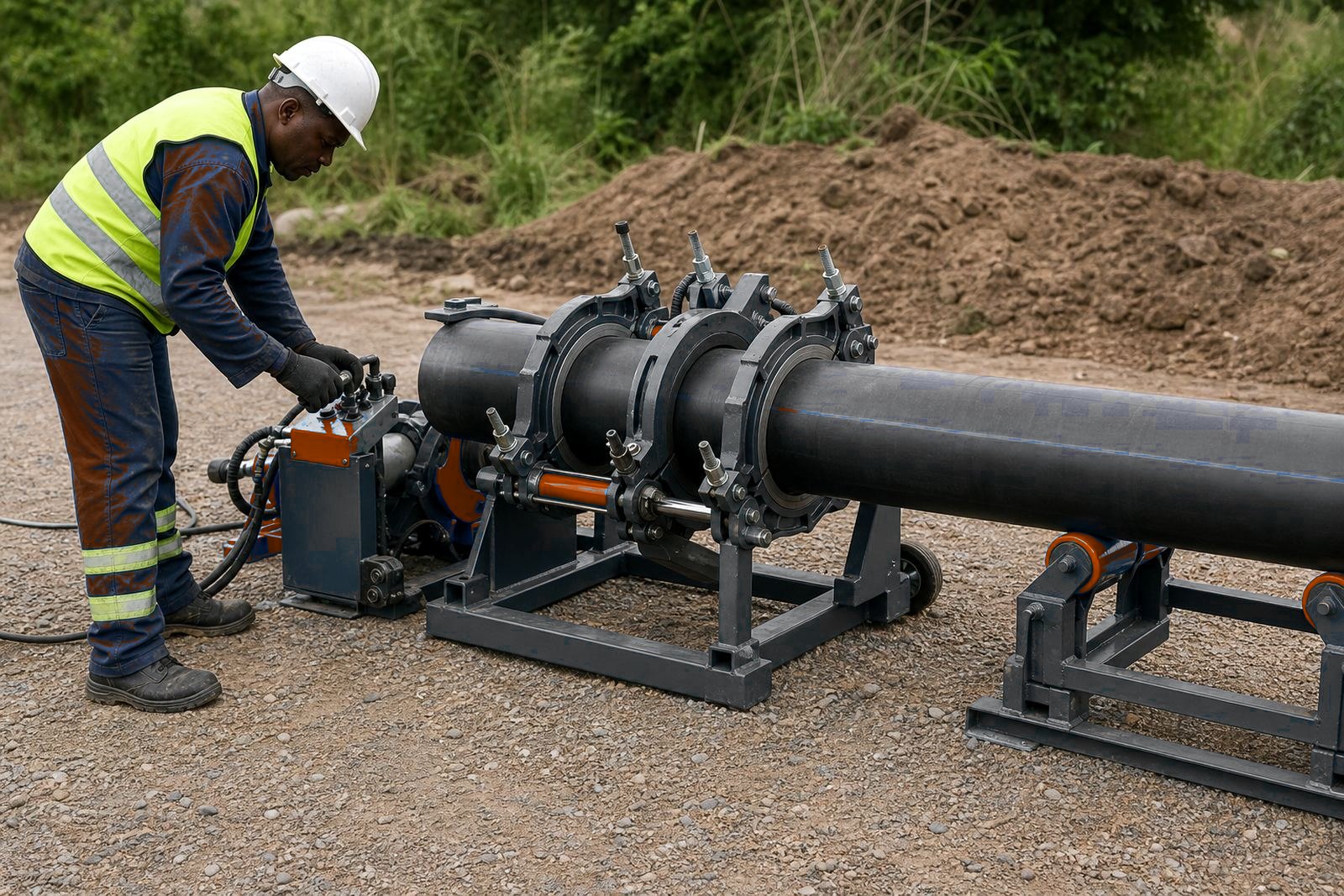
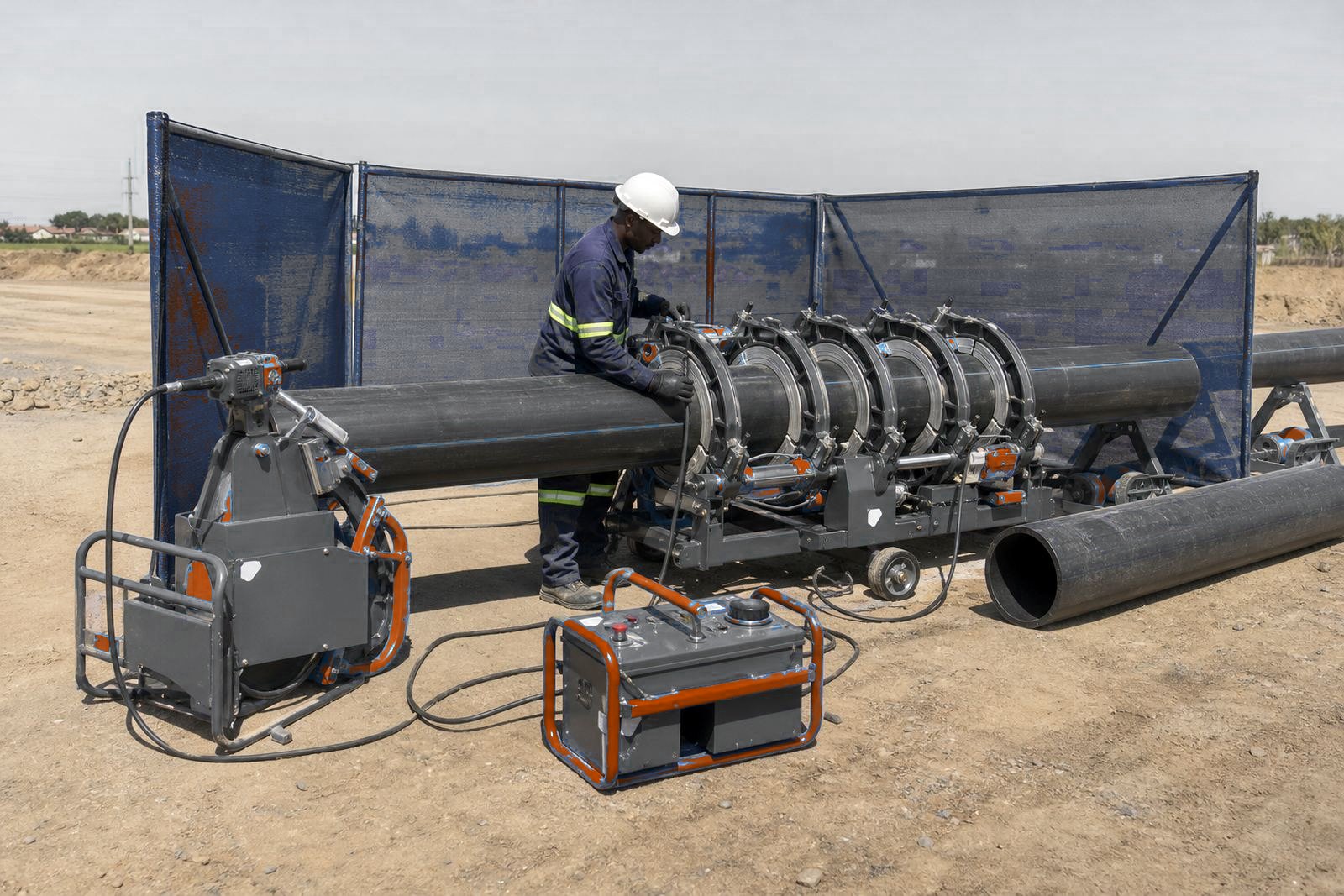
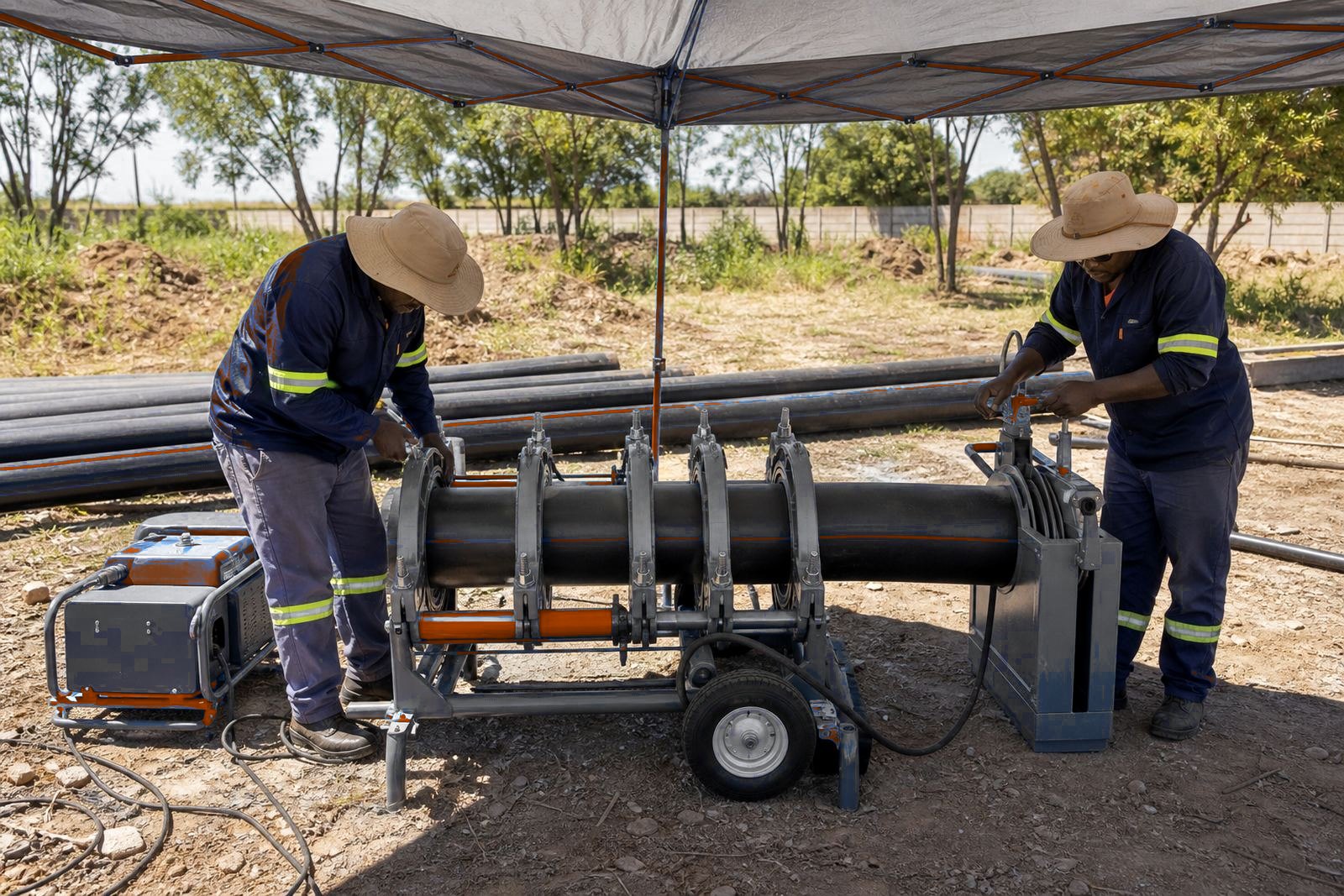
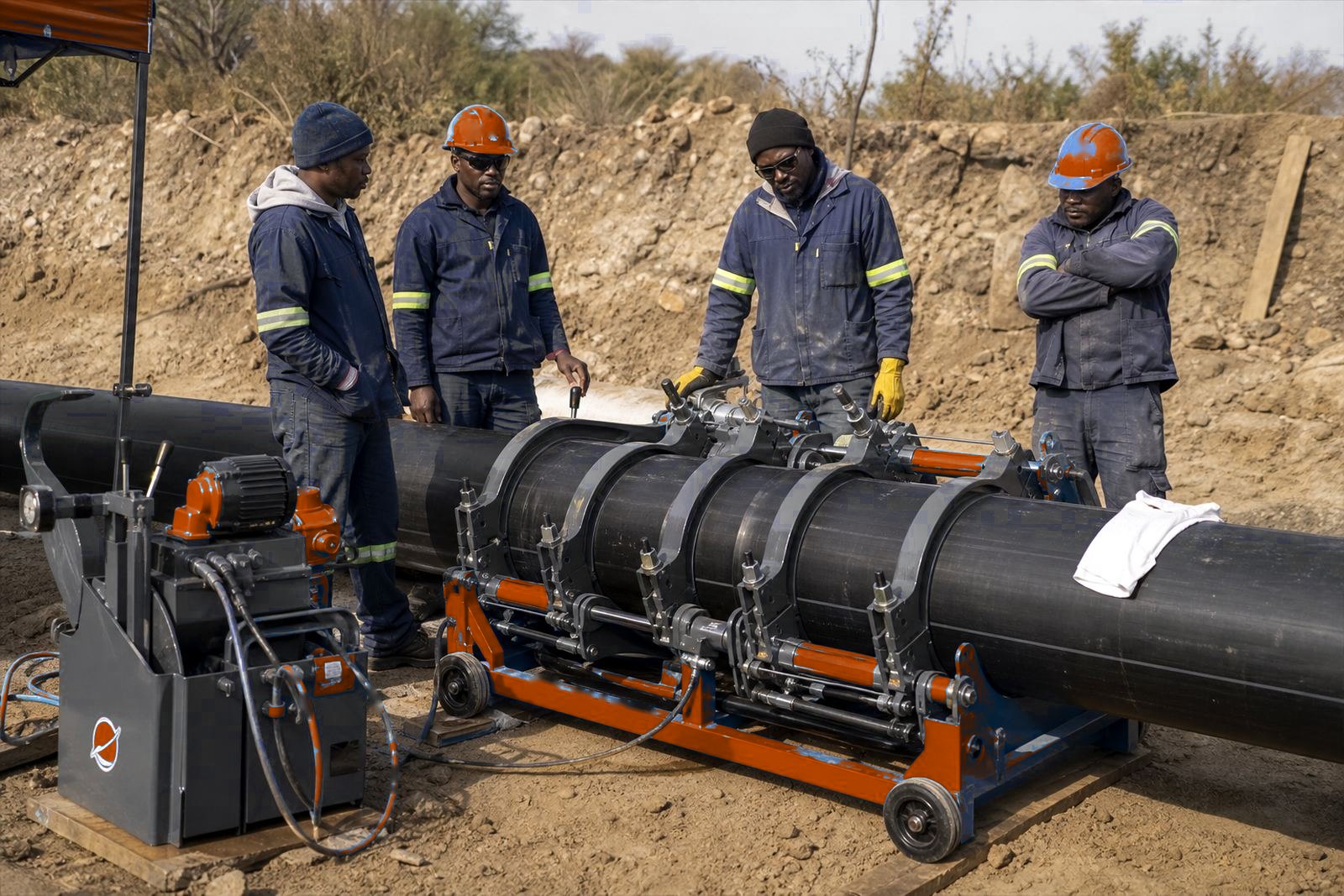
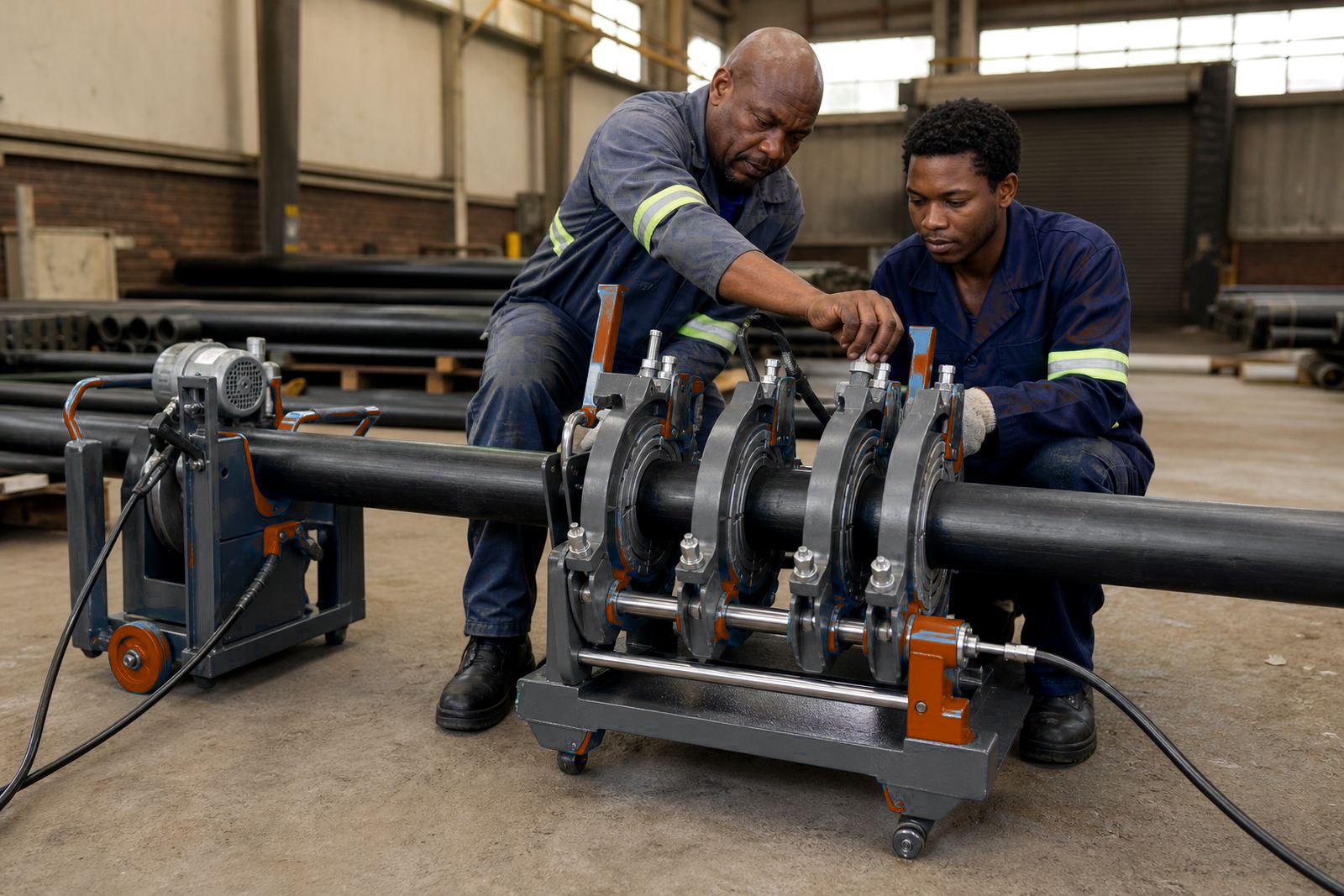
Large-diameter misalignment grows once pressure builds, so clamps, rollers and centring are set before the first cut. Moisture, grit and oily residue can spoil the melt face, especially on coastal work where humidity hangs around and dirt sticks to wet pipe. Each step has to be set up before the next one starts.

  • Check the pipe grade and wall thickness before setting the machine.
  • Make sure there is no mud, water or loose shavings in the work area.

SDR and size change the settings

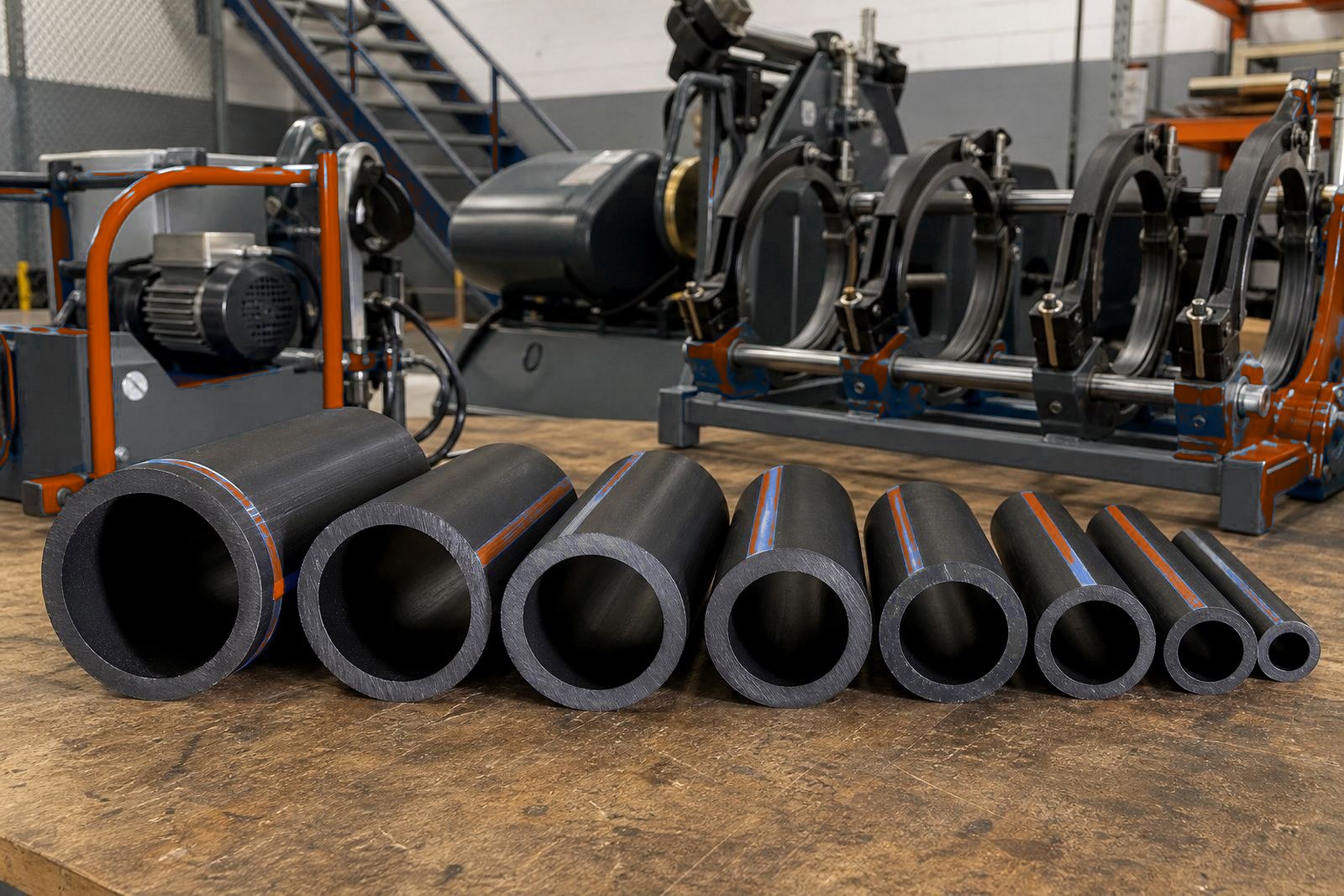
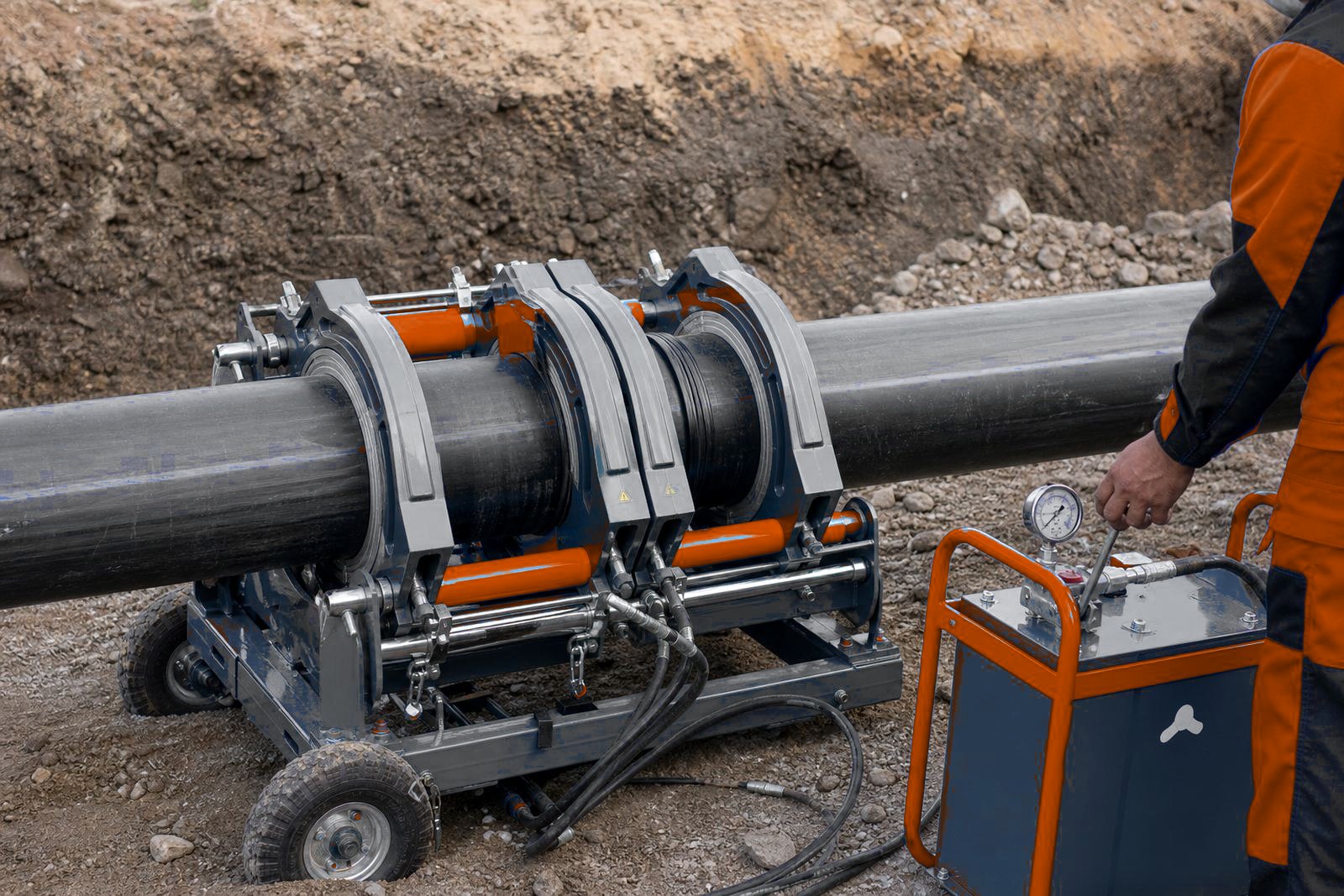
SDR tells you how thick the wall is compared with the outside diameter, and that changes the heat soak, pressure and cooling window. Thin wall pipe heats faster and needs careful control, while thicker wall pipe asks for more time at temperature and a longer hold under fusion pressure. A machine set for 110 mm pipe will not be used the same way on 315 mm or 630 mm, because the mass of material and the force required are very different. That size jump is where setting errors are most common.

Wall ratio, pipe diameter and ambient conditions all shape the weld sequence, so the operator sets the machine from the weld chart for each job.

The heating face and changeover window

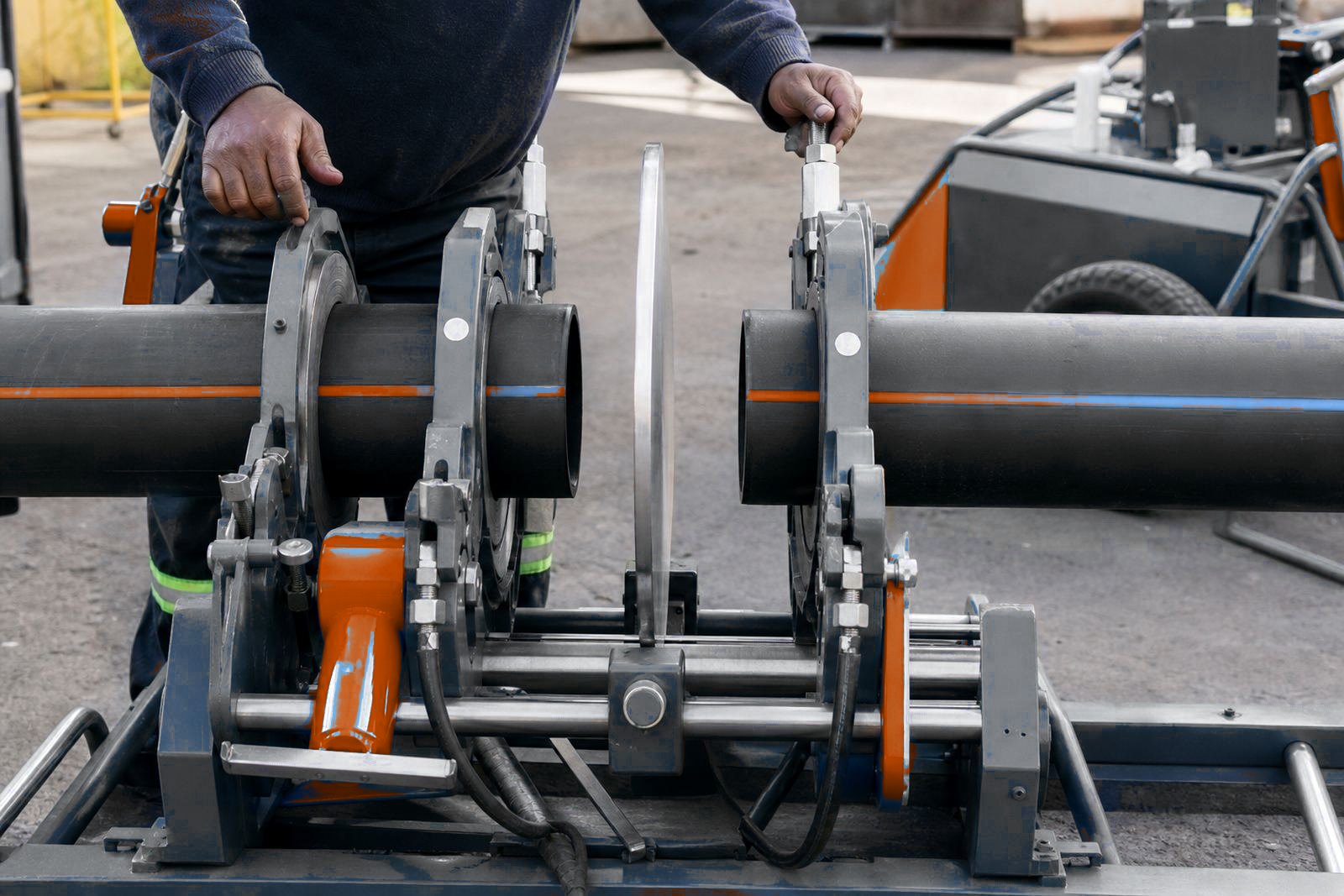
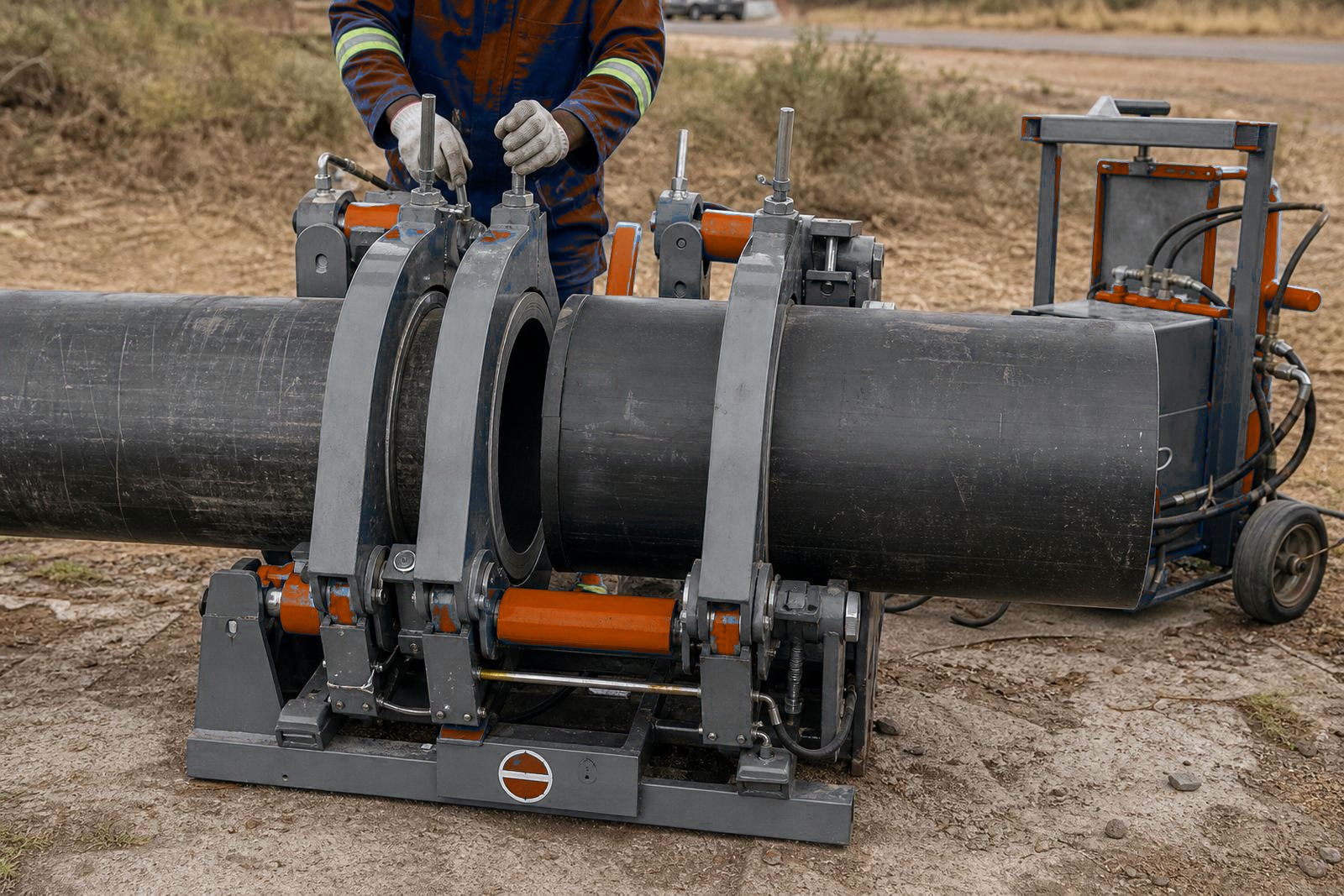
Plate temperature must be in range before contact, followed by full face contact for the soak period. Softened faces skin over if the changeover gap drags. Even pressure forms a clean bead without squeezing melt out too far.

  • Watch the timer for soak, changeover and cooling stages.
  • Use steady pressure and avoid a sudden hard shove.

What bead inspection tells the crew

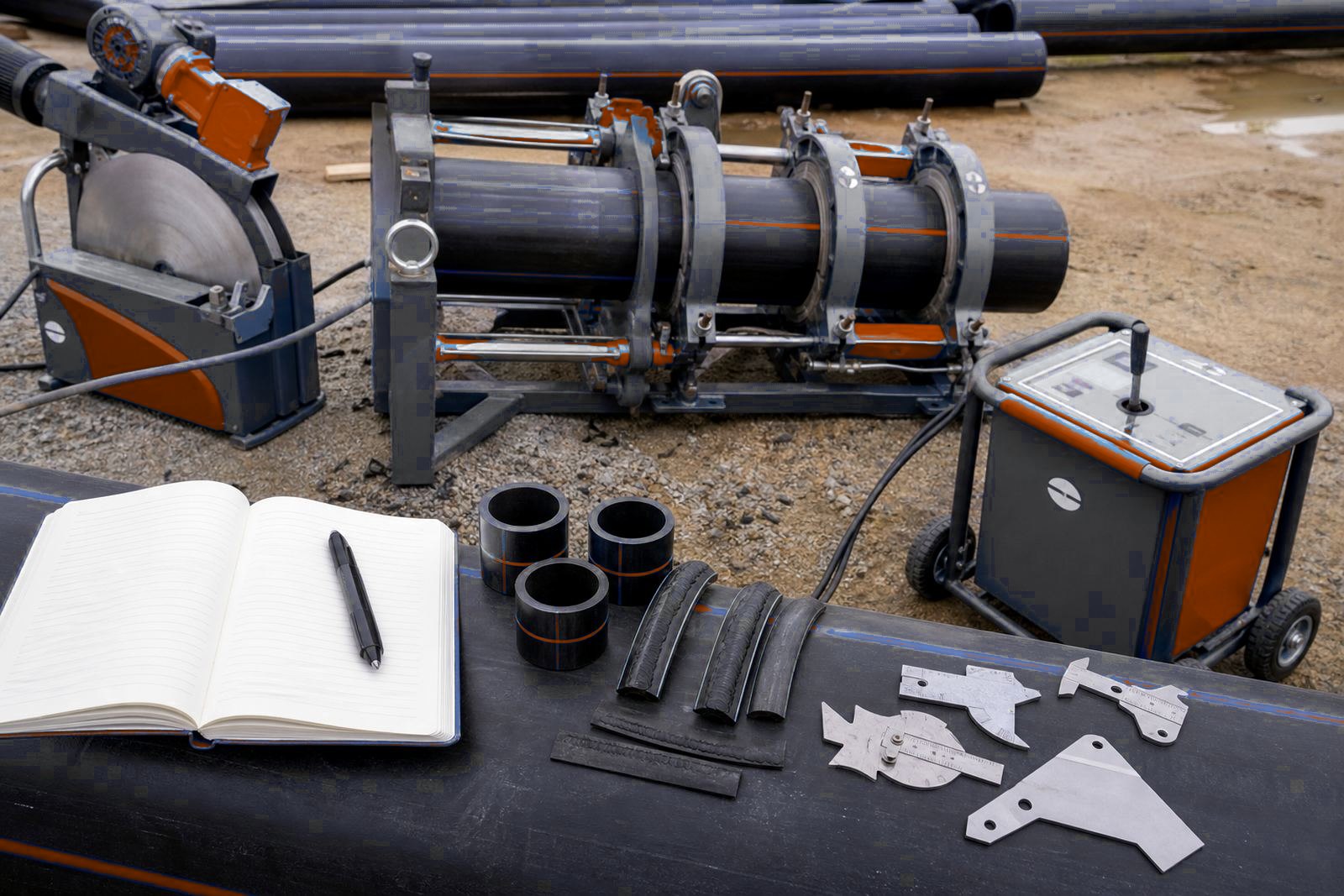
A lopsided bead can point to poor alignment, weak heating or movement during cooling. Where access allows, check the inside bead, because an off-centre weld can narrow the bore. Crews working on long runs often build bead checks into handover, so problems are spotted before the line gets buried or put back under service.

A visual check after each weld picks up a poor setup before the next joint is made, so fewer joints are cut out and redone.

Data logging and paper trail on site

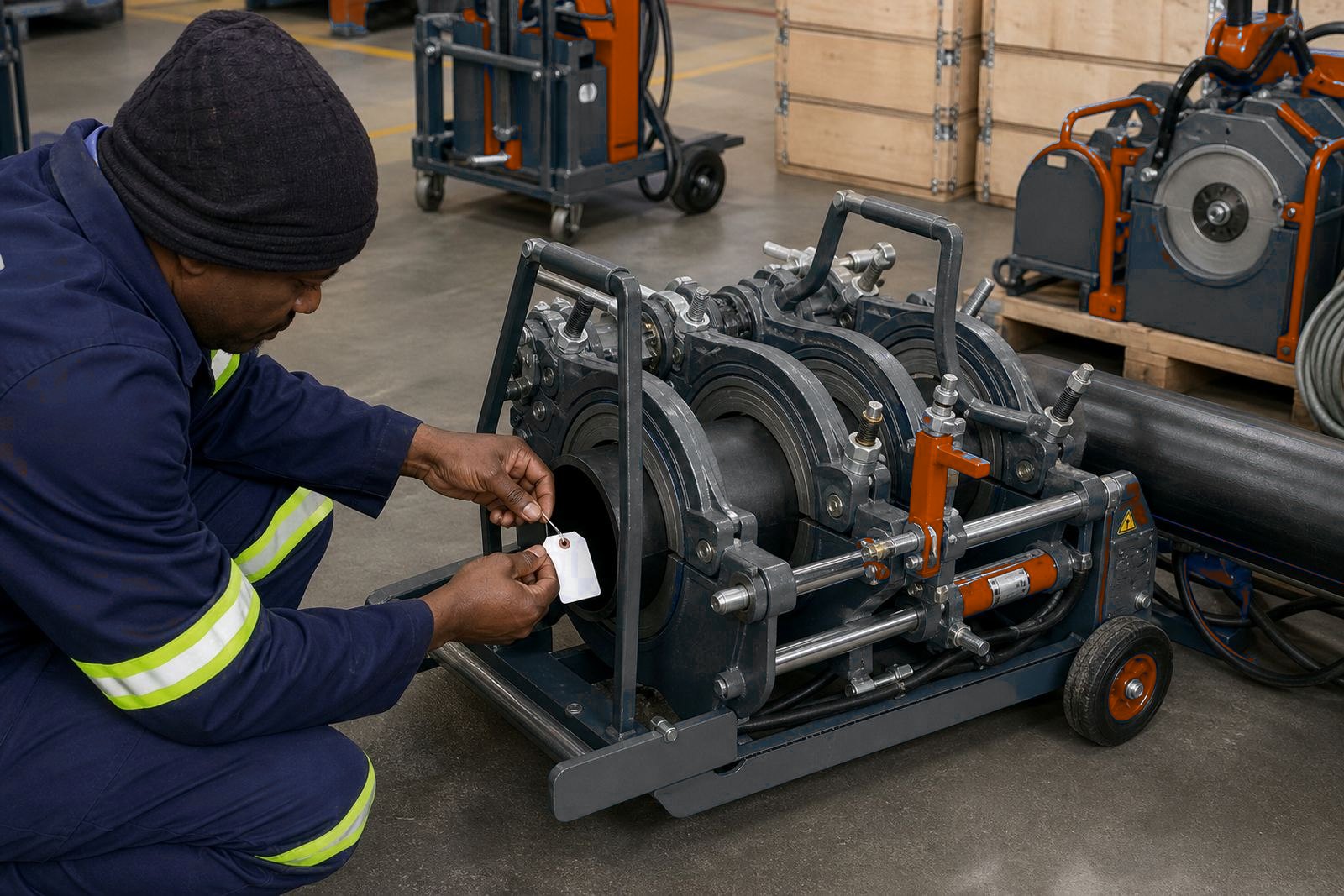
Customer weld logs usually hold pipe size, SDR, machine number, operator, set point, fusion pressure and the cooling period. The joint record shows what was done on each weld, so several teams can share one trench line without mixing up joints. It also gives supervisors a cleaner way to compare joints, spot a recurring issue and link the machine setting to the finished bead. Where logging is handled properly, the site team has a firmer record when a joint needs review.

  • Record the date, location and joint number.
  • Keep a simple note of any rework or rejected joints.

Helping contractors narrow the job

Some crews are sorting a new install, others are checking a heater plate before a long run. Pipe size, site access, logging needs and the length of the job, from a short repair to a longer run, all shape the right choice.

Butt-fusion questions

What does SDR change in butt-fusion work?

SDR changes the wall thickness, so it affects heating time, pressure, cooling and how the pipe reacts in the clamps.

Why is bead inspection important after fusion?

A bead shows whether the ends stayed aligned, heated evenly and held under pressure long enough for a proper joint.

What details help when arranging hire?

Send a brief with the pipe size, SDR, location, machine needs and support type.

Got an HDPE pipeline coming up? Send us the pipe sizes.

Contact form