The joint is still unfinished when the heater plate lifts
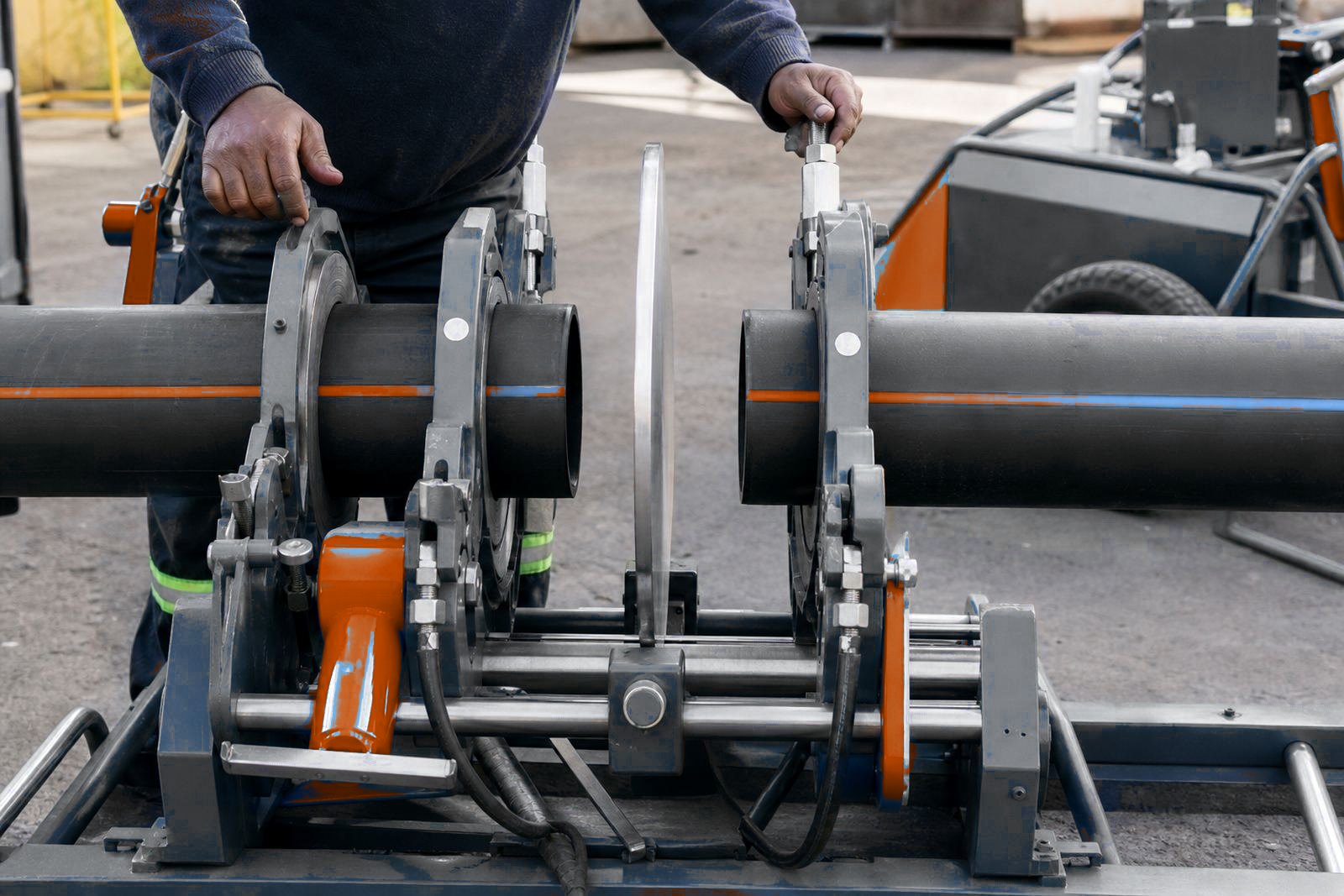
After facing, heating, bringing the pipe ends together and holding them under fusion pressure, the joint still needs steady handling through changeover and cooling. Opening clamps early or twisting the pipe to hurry the next step disturbs the bead.
Long runs of HDPE call for careful joint handling. Early handling can leave hidden stress inside a joint that looks neat. On site, most damage after welding comes from moving or lifting the pipe before the joint has cooled.
Cooling time is set by pipe size and SDR
Cooling needs a set time, and the pipe diameter, wall thickness and SDR all affect how long the joint should be left undisturbed. A lighter 90 mm line behaves differently from a thicker 315 mm line, and colder weather in Rustenburg or wind on an open Durban site changes the feel of the job.
Clamp pressure is held for the full cooling period, then the line settles before any bending or dragging. On a tight programme, keep the full heating and cooling times on every joint.
- Do not remove clamps just because the bead looks even.
- Protect the joint from knocks, twisting and pulling.
Bead shape
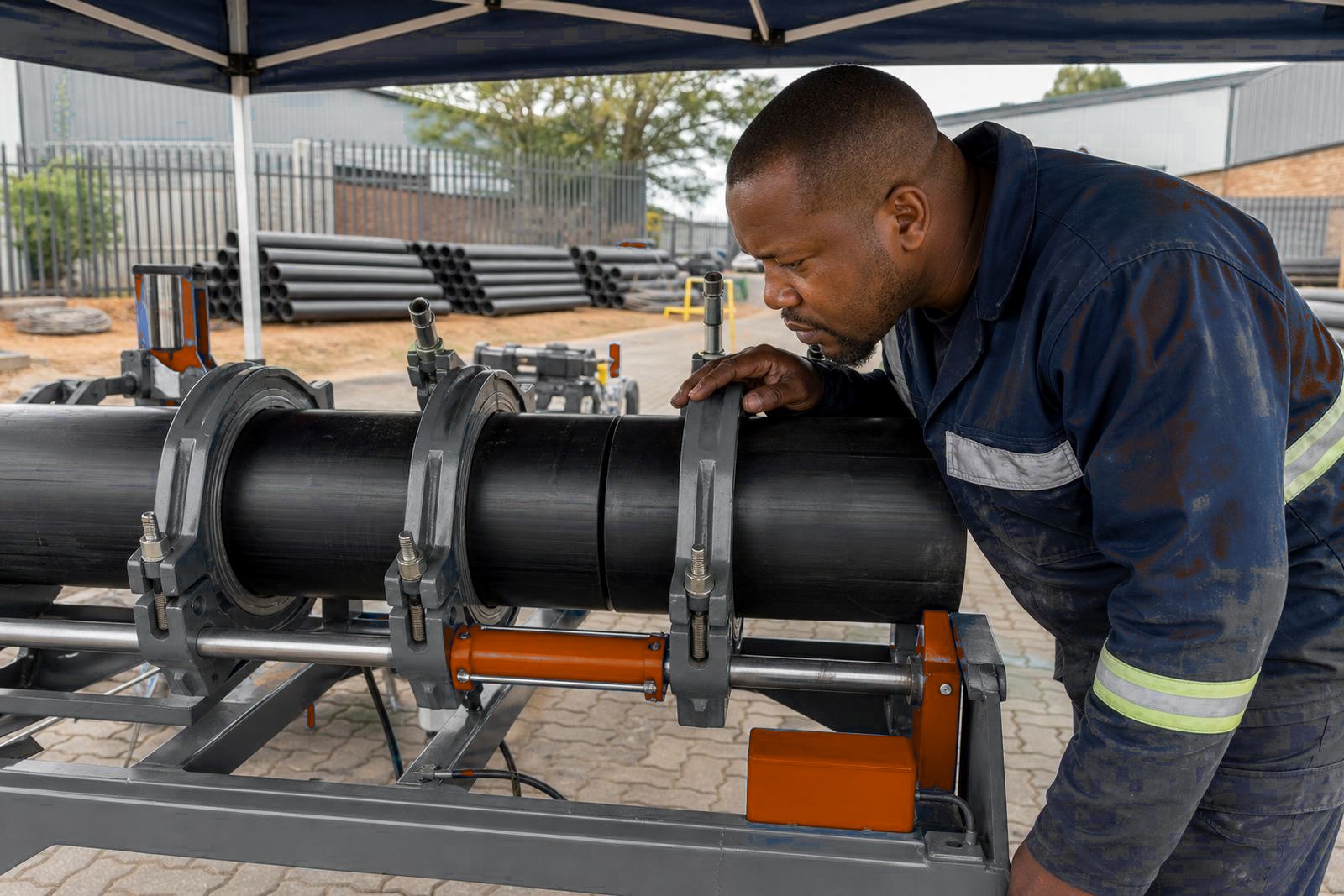
Outside bead shape is among the first checks after cooling. It should look even around the full joint, with no obvious cold line, excessive roll over, burnt patches or gaps in the bead pattern. Inspection checks appearance and tells the operator whether the heating, pressure and alignment steps were managed properly.
On large pipe, bead checks go with logging, pressure records and a look along the line, since loose clamps or poor facing can sit behind a neat bead. A properly cooled joint sits straight with no pull to one side.
What operators should avoid after the fusion cycle
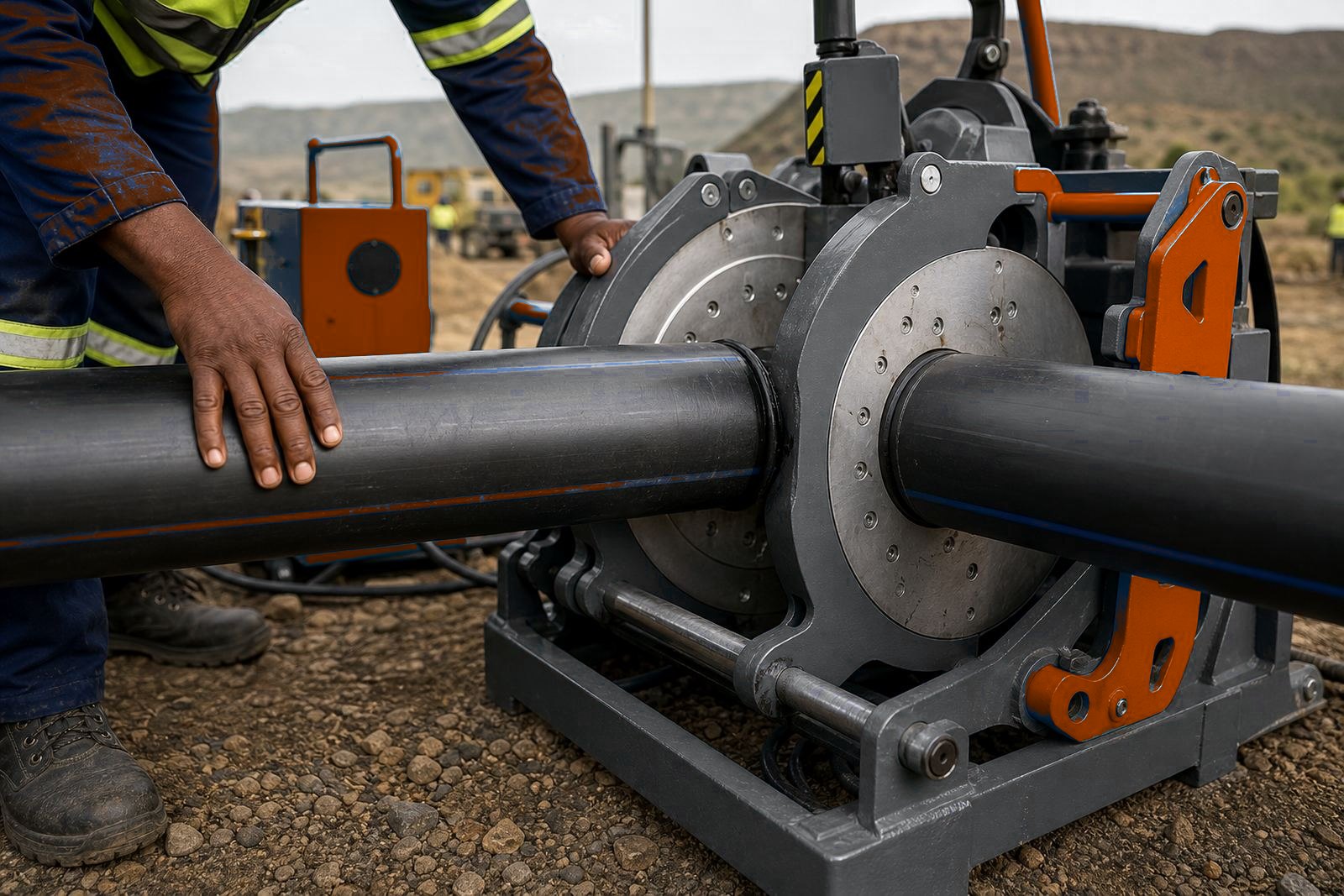
Most after-weld mistakes happen when the crew is trying to move faster than the pipe allows. A joint should not be loaded, lifted by hand, or used as a lever point while it is still warm. Even a gentle tug on the line can create internal stress, especially where the pipe leaves the clamps and heads into a trench or onto supports.
If rollers, straps or temporary supports are removed too early, the pipe can sag. If a trench edge is still uneven, the line can shift under its own weight. In confined trenches, keep people and gear clear of the cooling joint.
- Do not twist the joint to line up the next length.
- Do not drop the pipe onto the joint area.
- Do not lift from the welded section.
- Keep nearby tools and clamps clear of the cooling zone.
Handling joints in a tight sequence
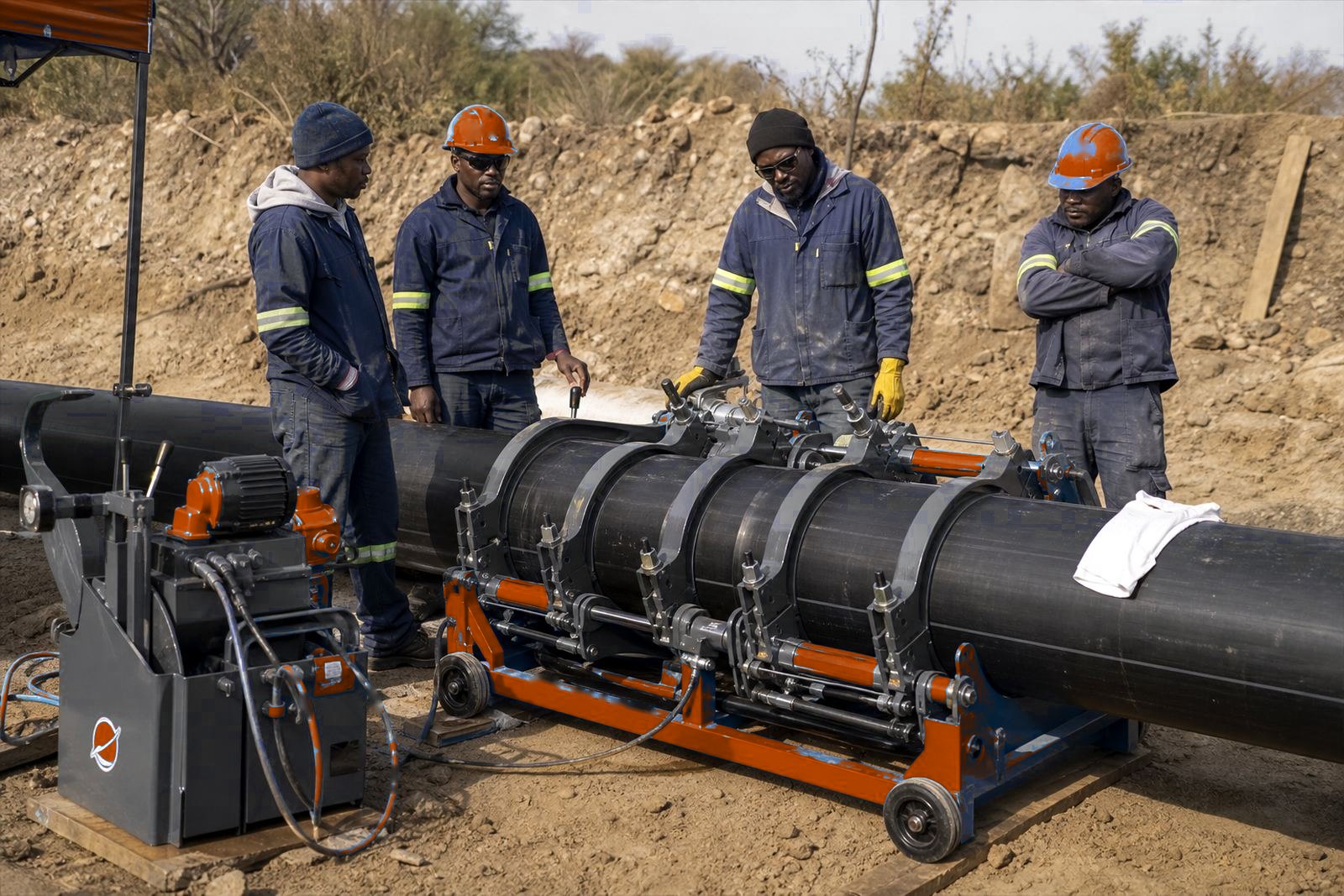
On one water installation, a crew had a straight run ready to extend through a narrow service corridor. The first joint looked good, the bead was even and the second pipe was already staged. The pressure to continue was real, but the line stayed in the clamps until the cooling period was complete. That extra waiting time kept the joint steady while the trench team adjusted the support points and checked the line level.
When the clamps were released, the pipe stayed true and the next section went in without forcing the joint. Leave the joint in the clamps until the cooling time is complete. It protects the weld and keeps the line easier to test later.
Logging the handling stage
Leave the joint clamped until the cooling time on the weld table has passed. Clean facing, steady plate temperature and sound clamp alignment give the joint even cooling. An out-of-line machine leaves the operator correcting faults after the weld.
Contractors who work with HDPE pipe every week need regular training.
- Keep clamps aligned so the joint stays straight.
- Inspect the joint before moving the pipe line.
The last look before the line is moved
Before a welded length is moved into its next position, the crew checks the bead, the supports and the lifting points. The pipe should be stable, the joint cool to the touch in normal site conditions, and the supports ready for the next stage of work. Warm lines or uneven ground mean waiting before the section is moved into place.
After welding, leave the pipe still until it has cooled. It keeps the fusion intact and the site moving in an orderly way. In HDPE welding, the strongest joint is the one that is allowed to finish its cooling without interference.