Kit built around the weld
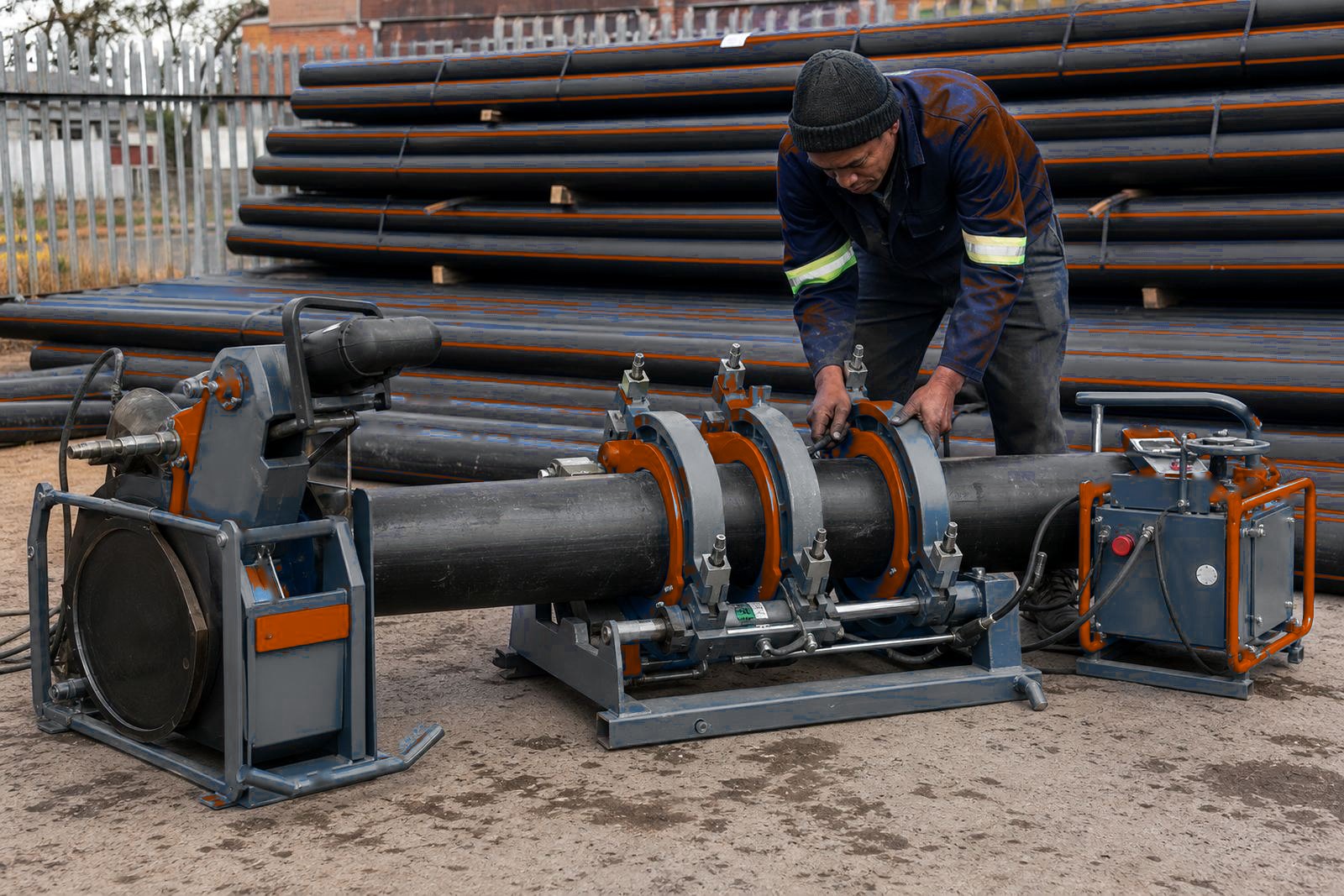
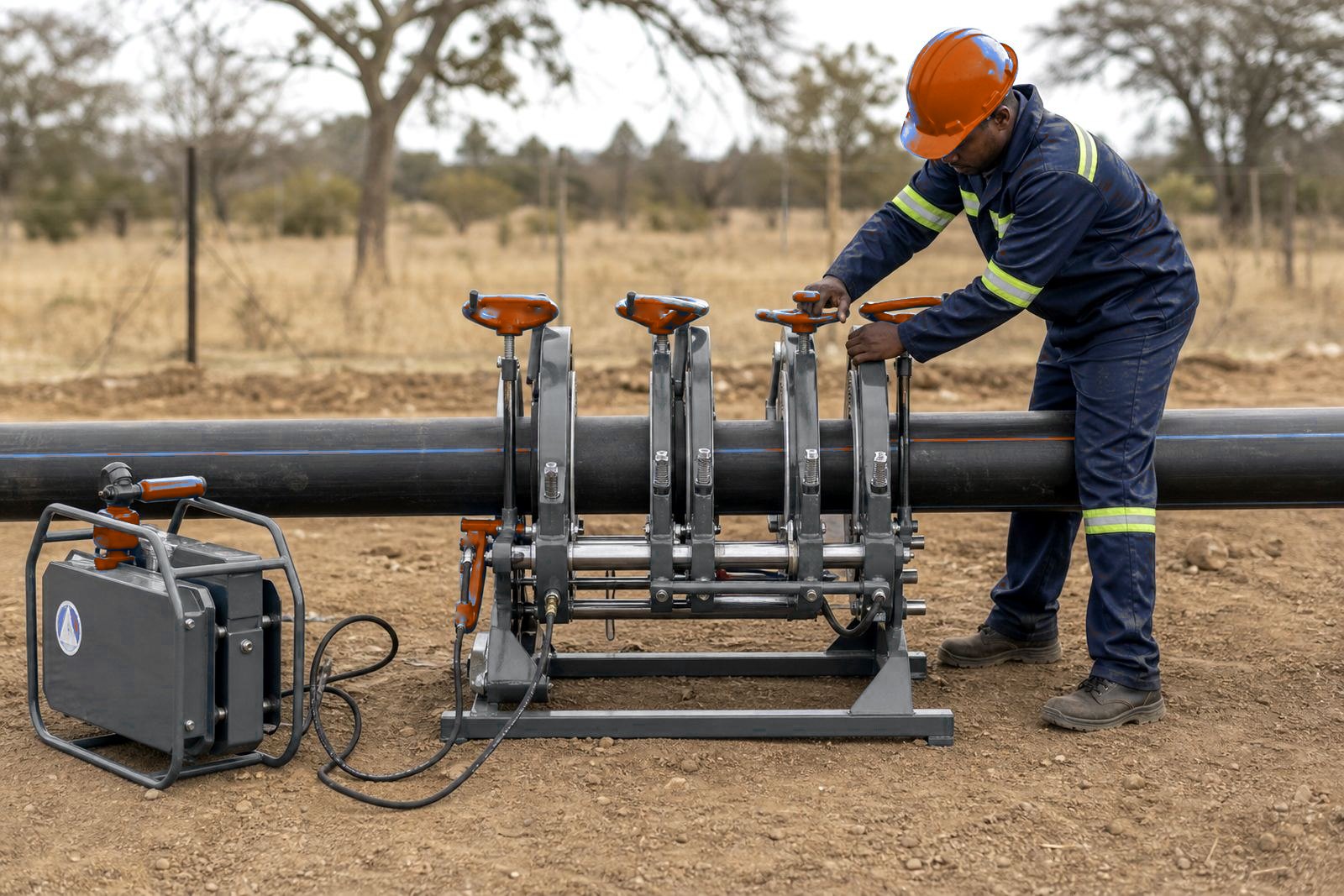
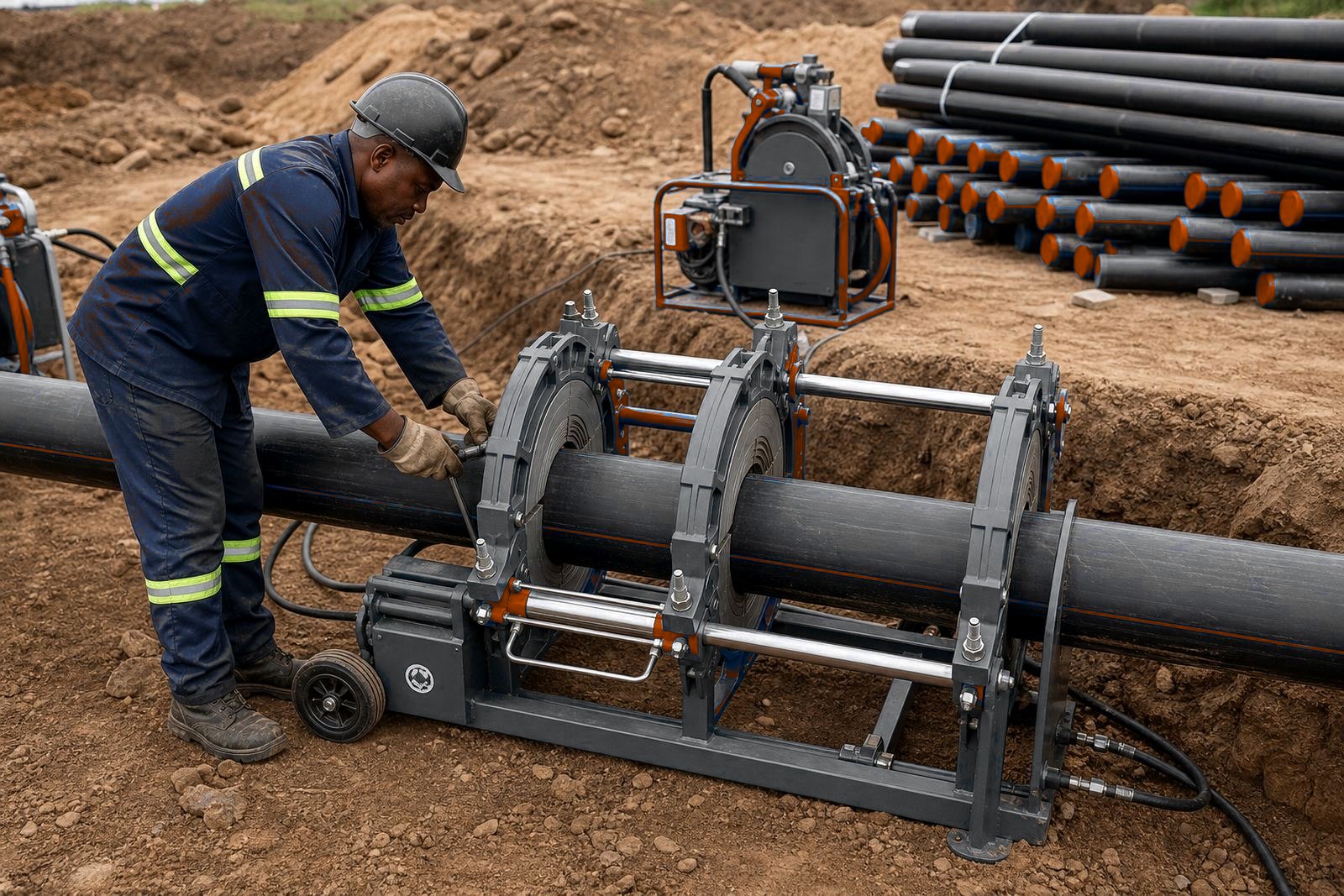
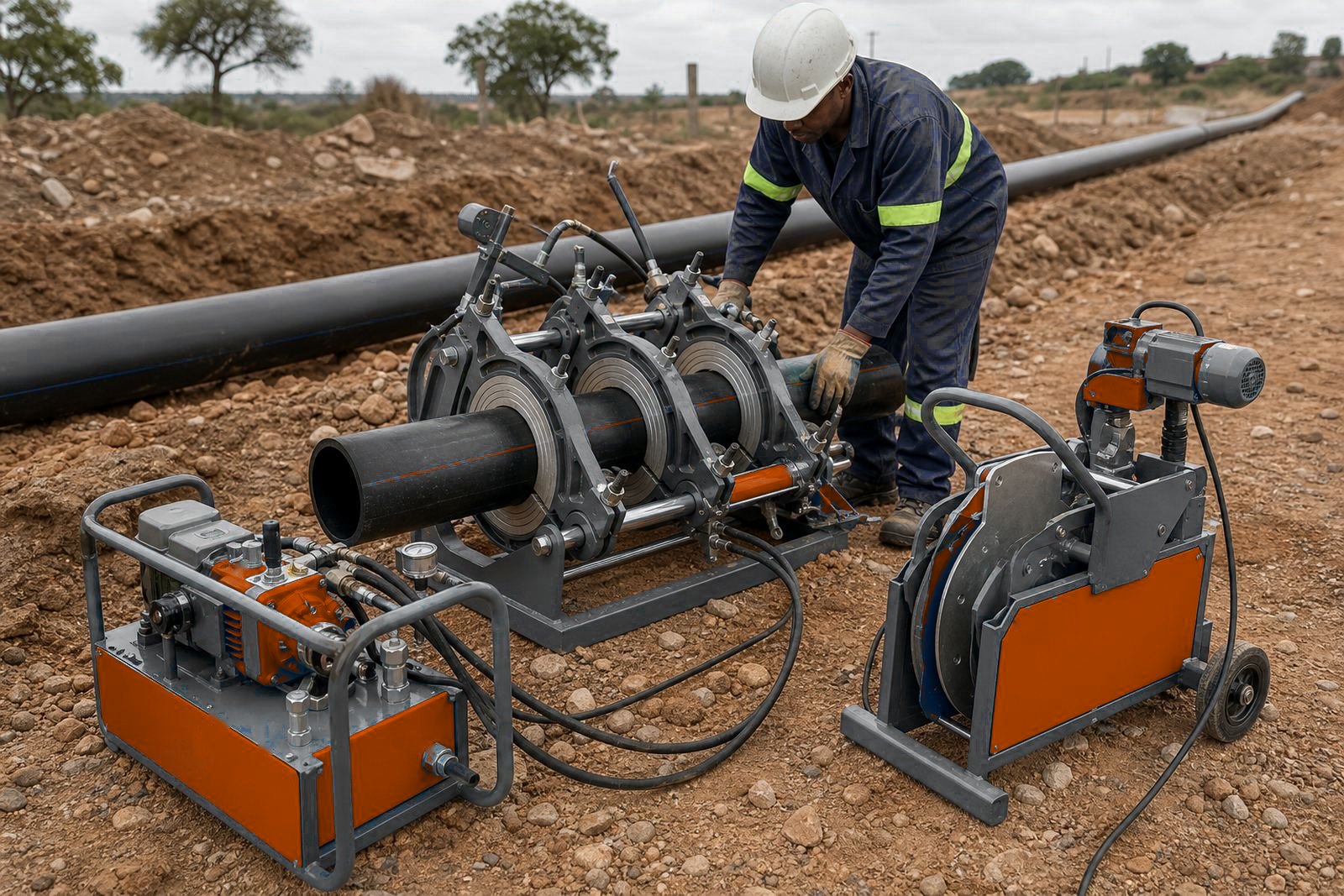
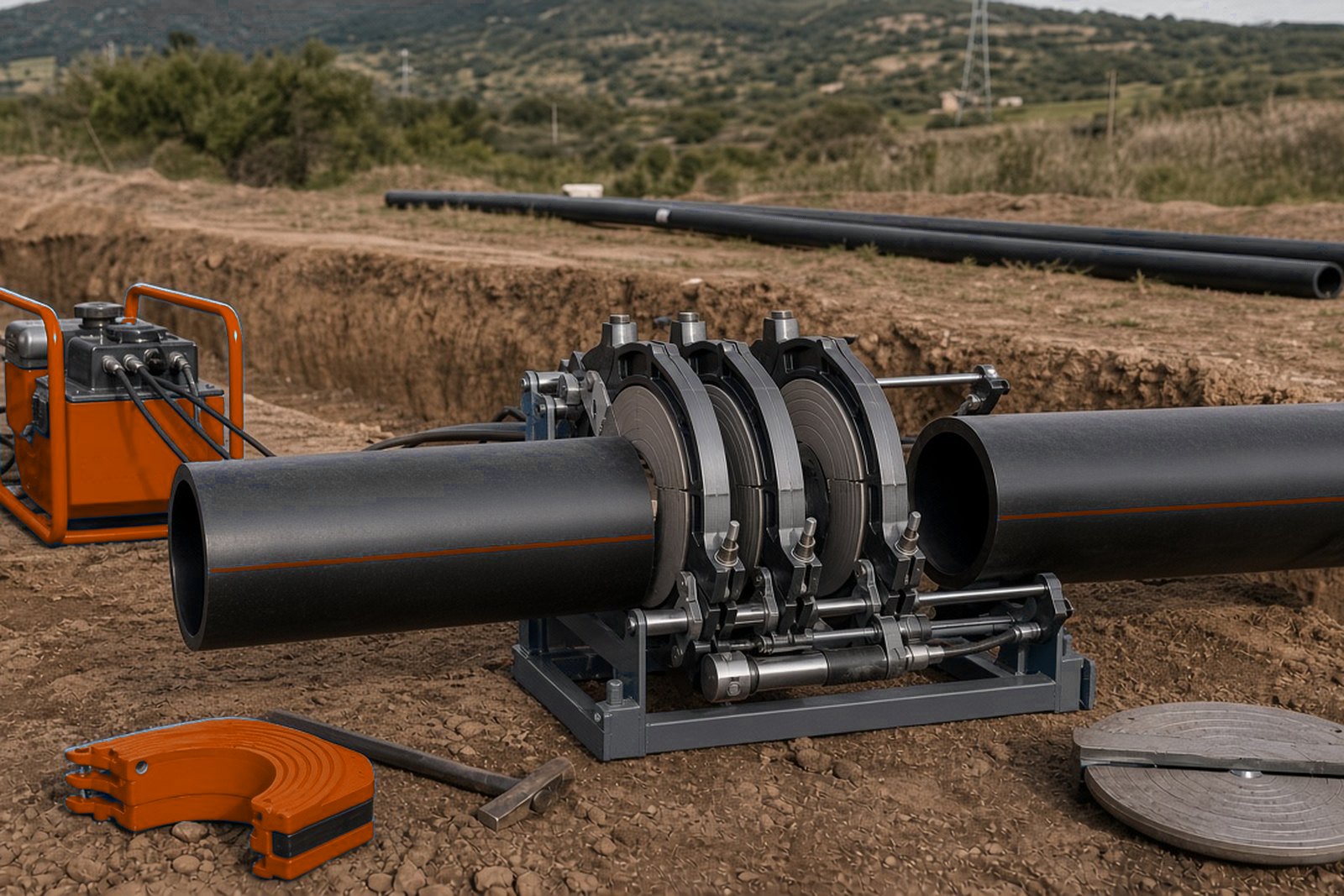
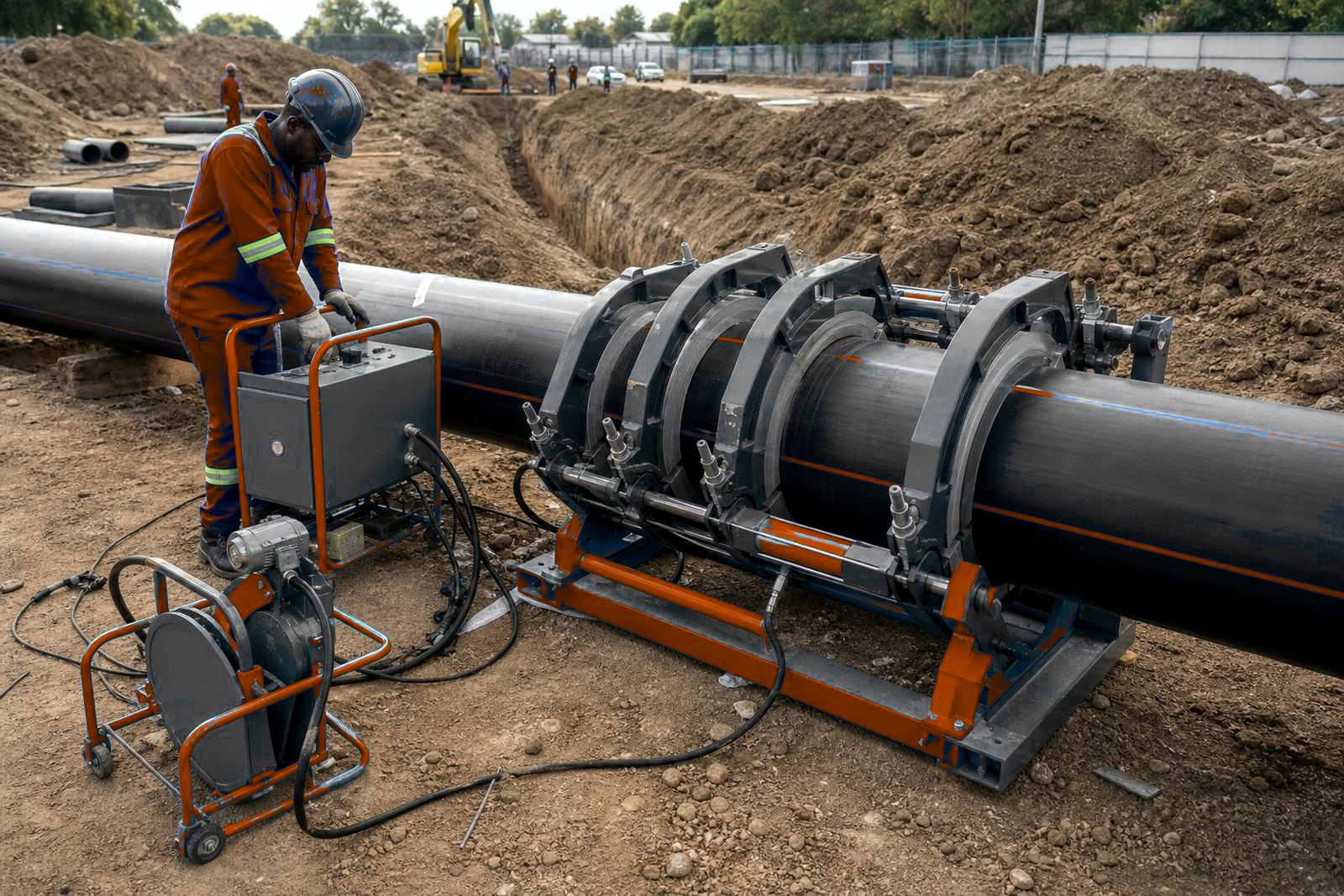
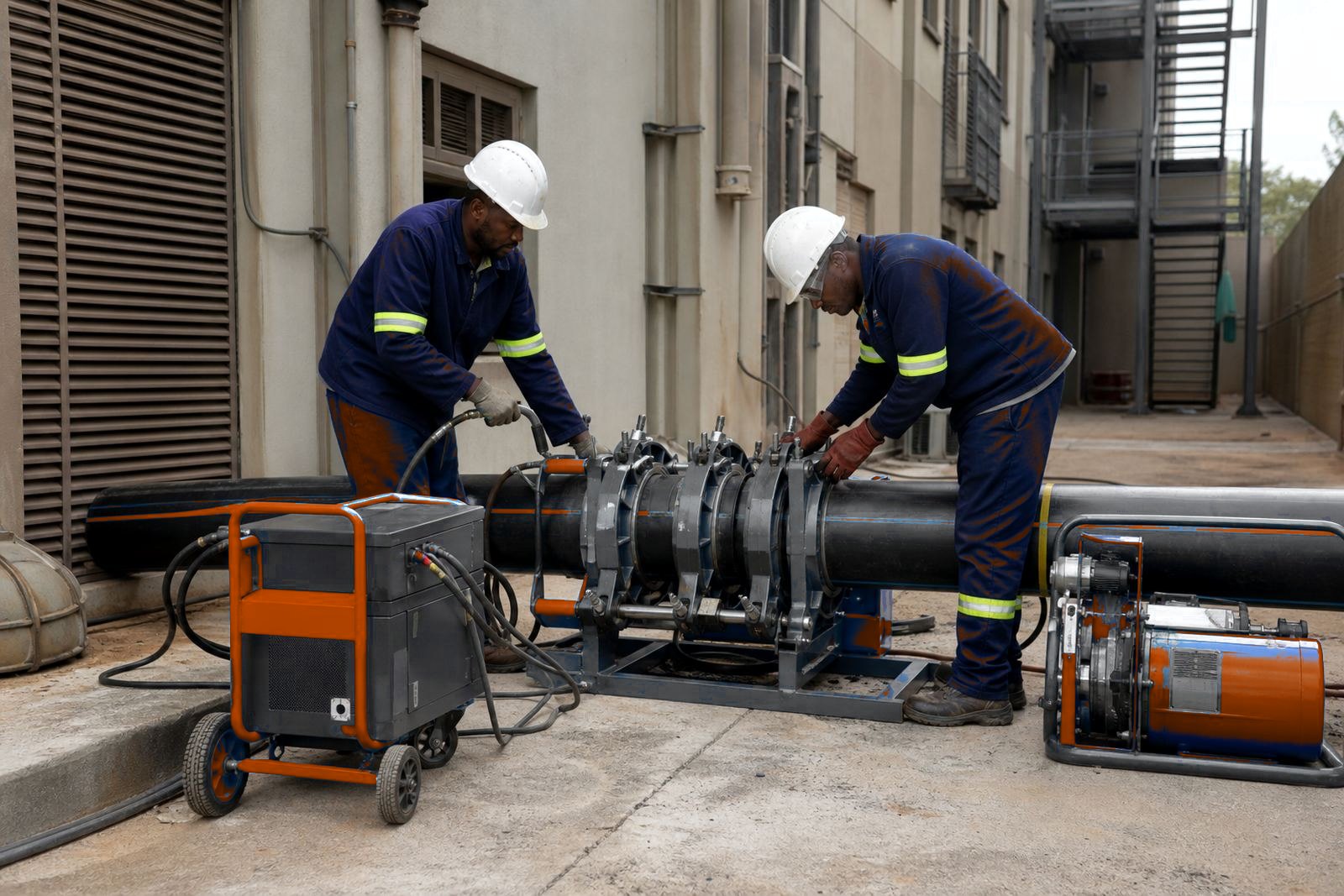
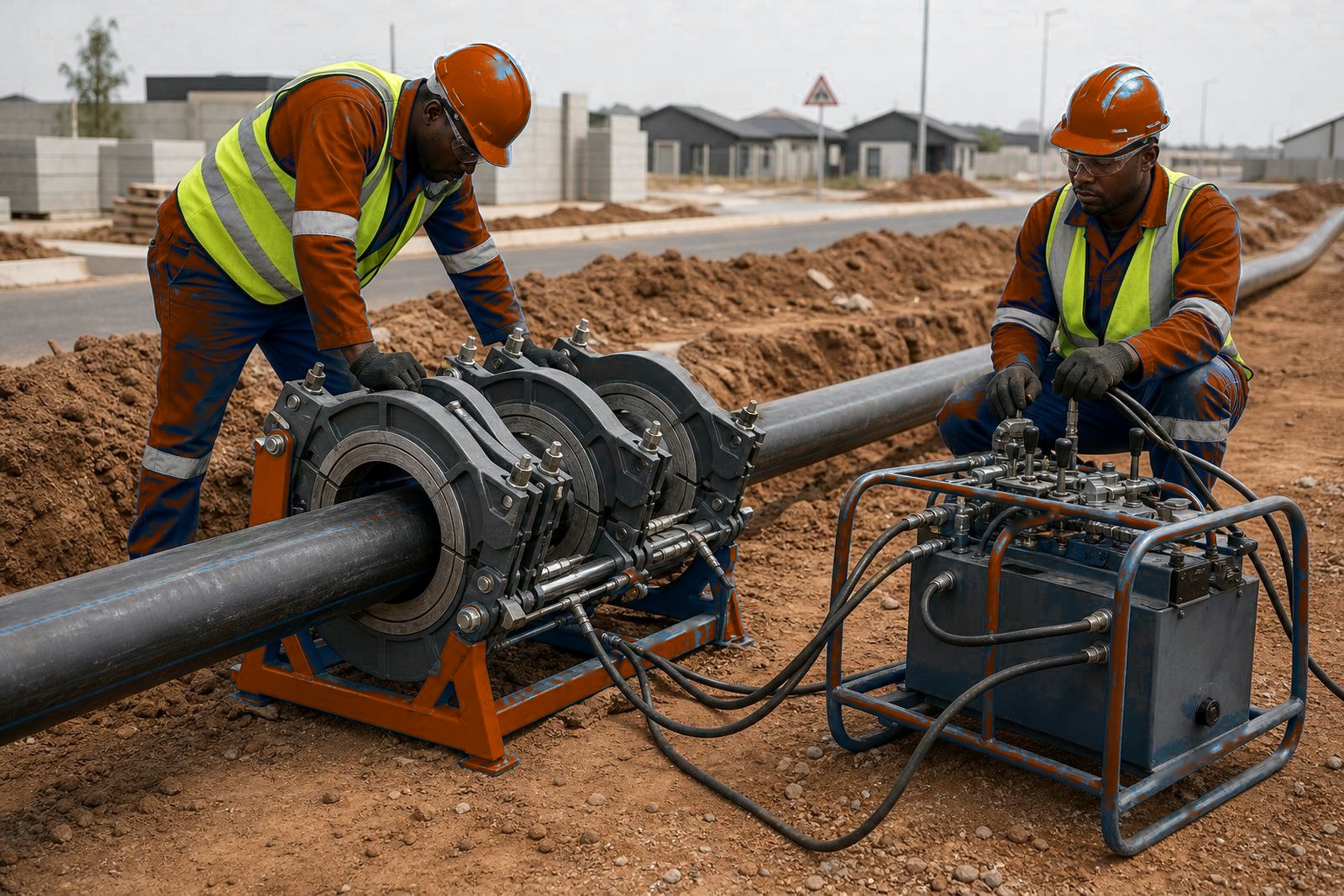
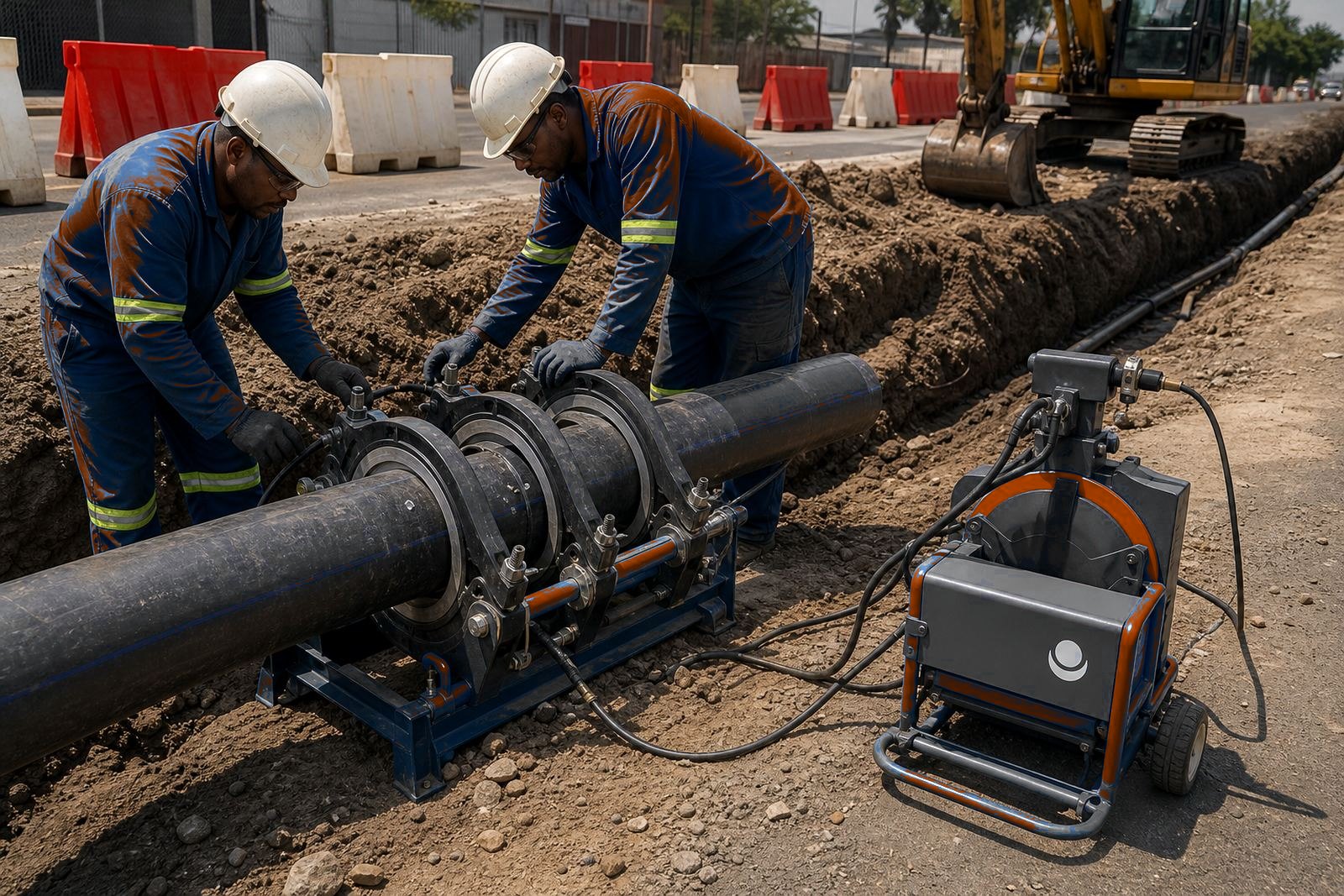
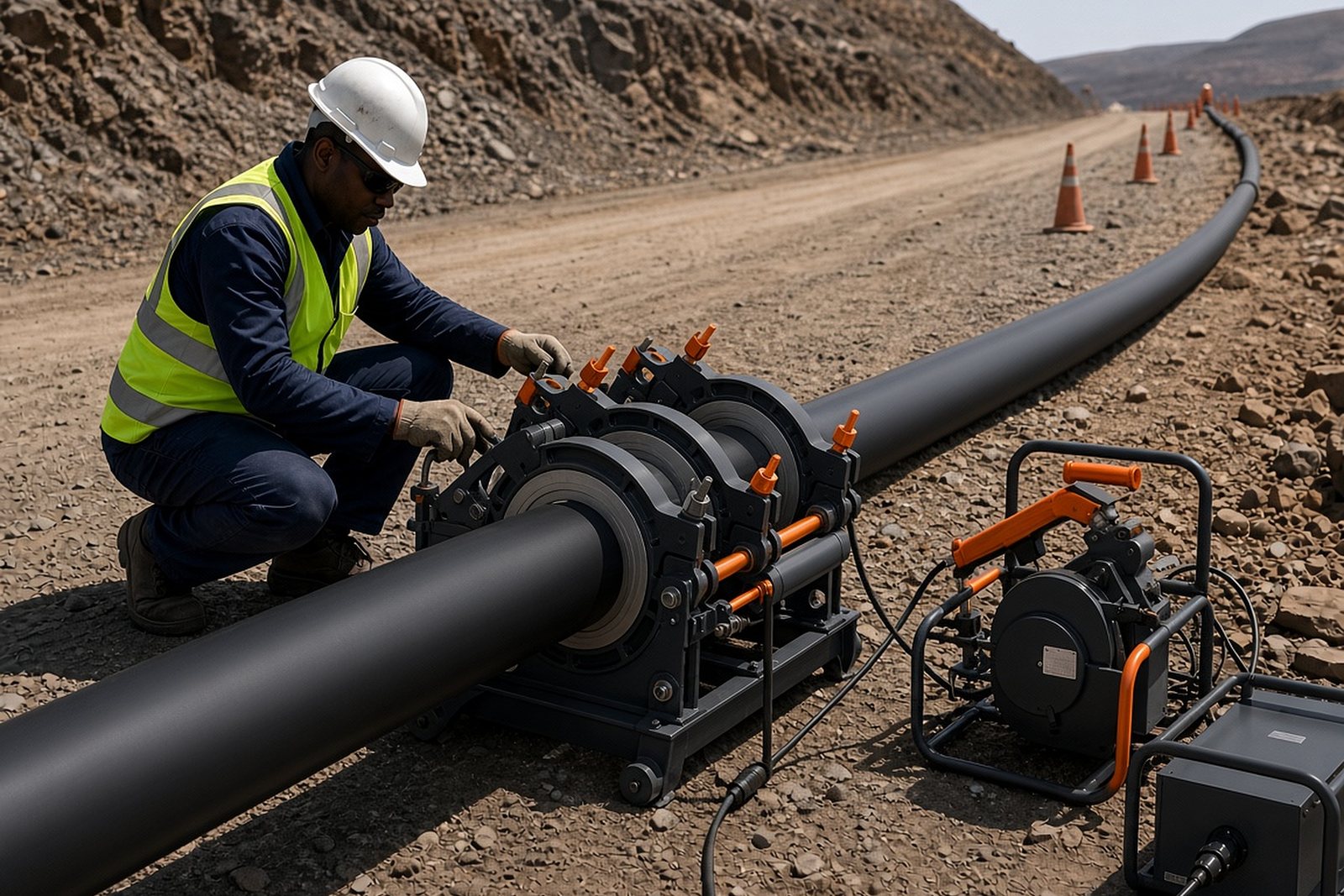
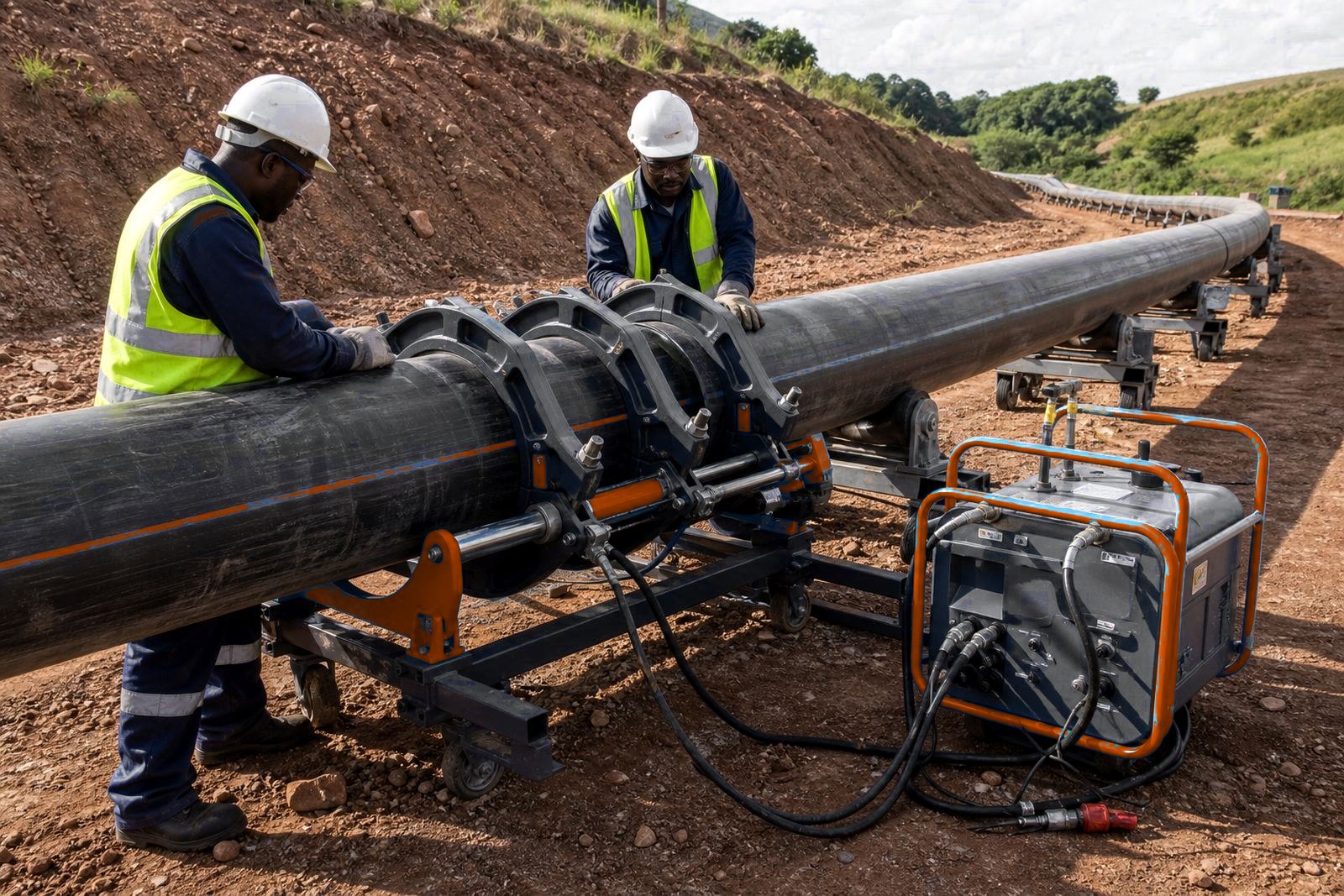
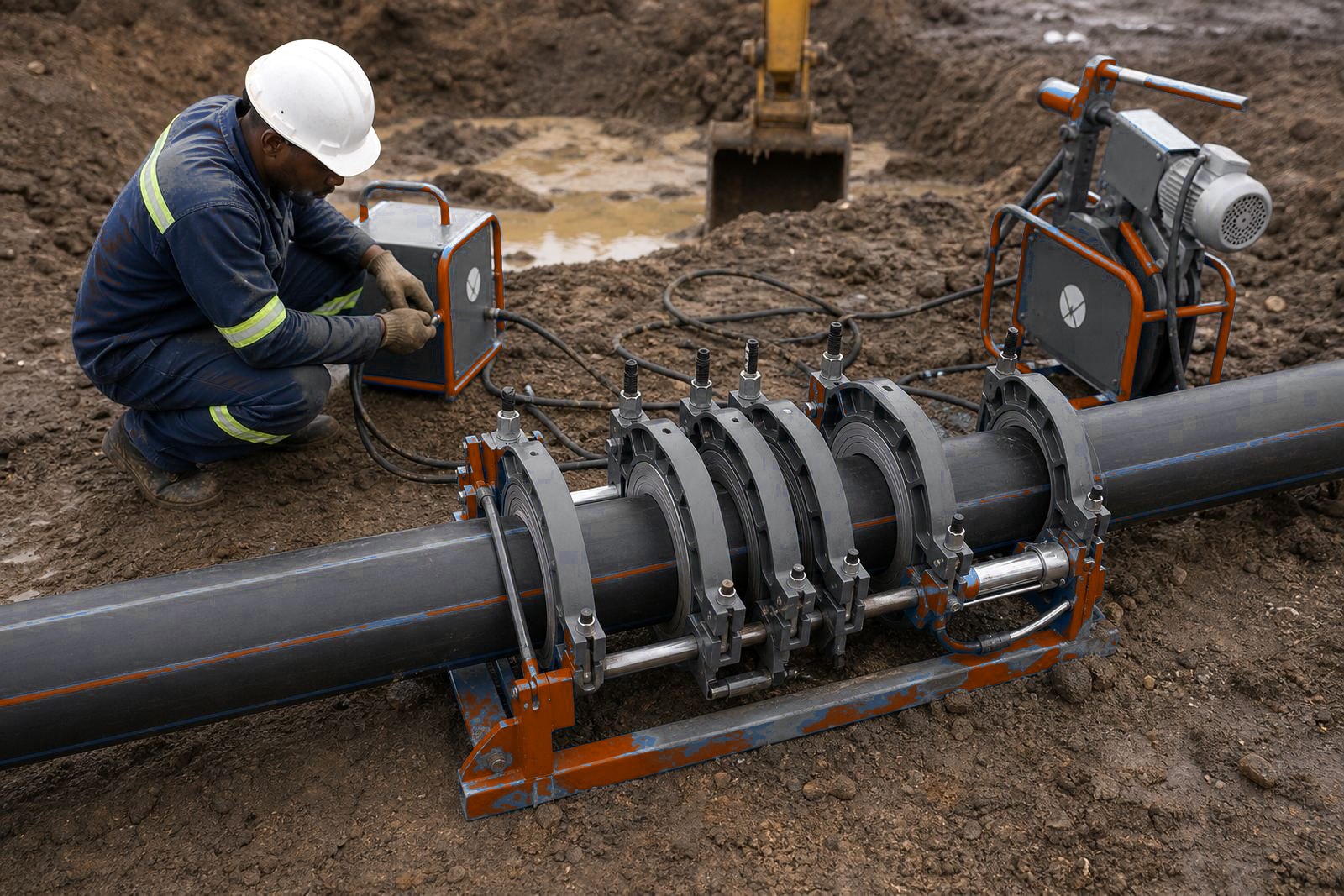
In our Wadeville workshop, we handle butt-fusion equipment for HDPE pipe joints, with alignment, heat and pressure all needing care. We supply machines for the pipe ranges used on water reticulation, with matching facing tools, heater plates and clamps.
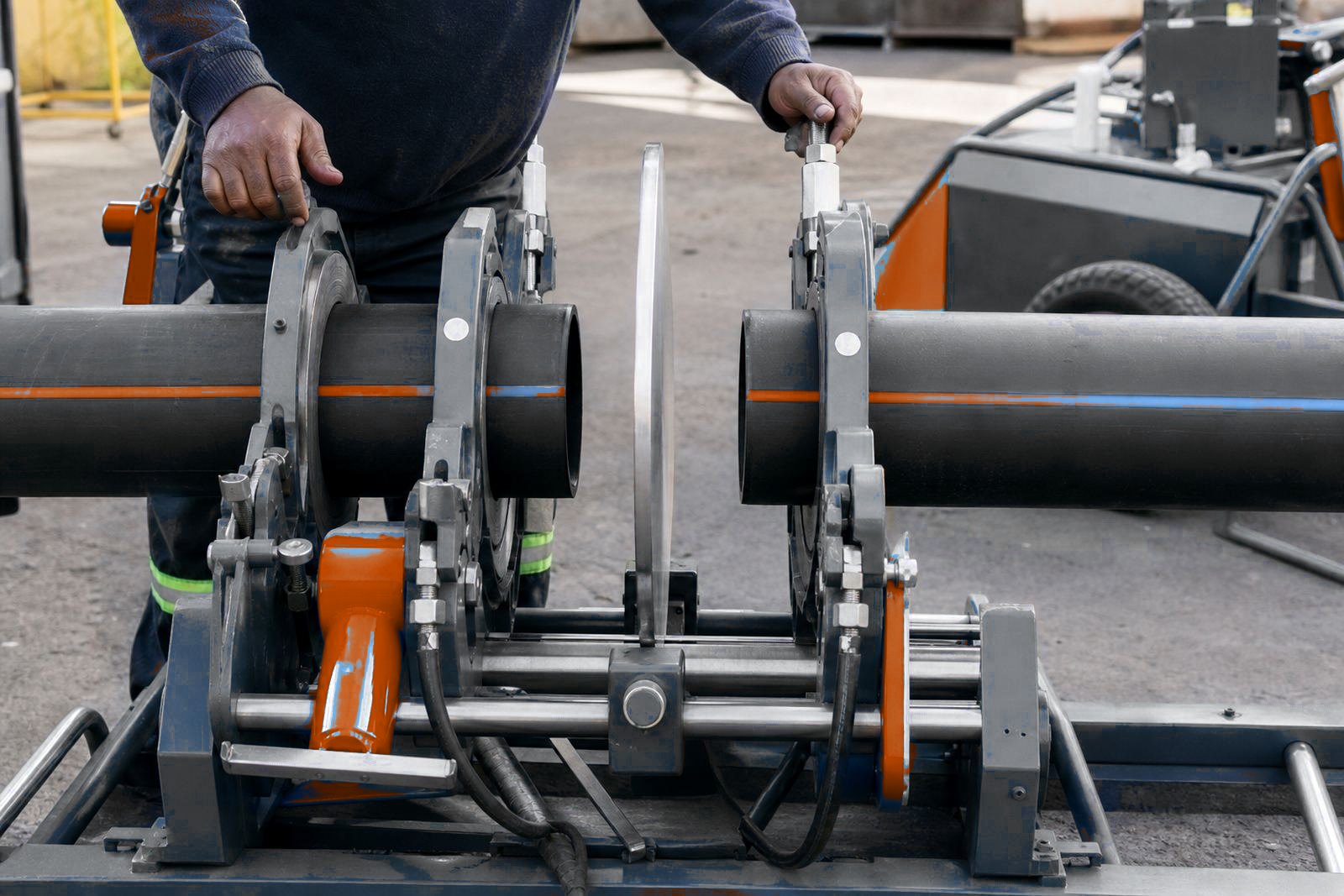
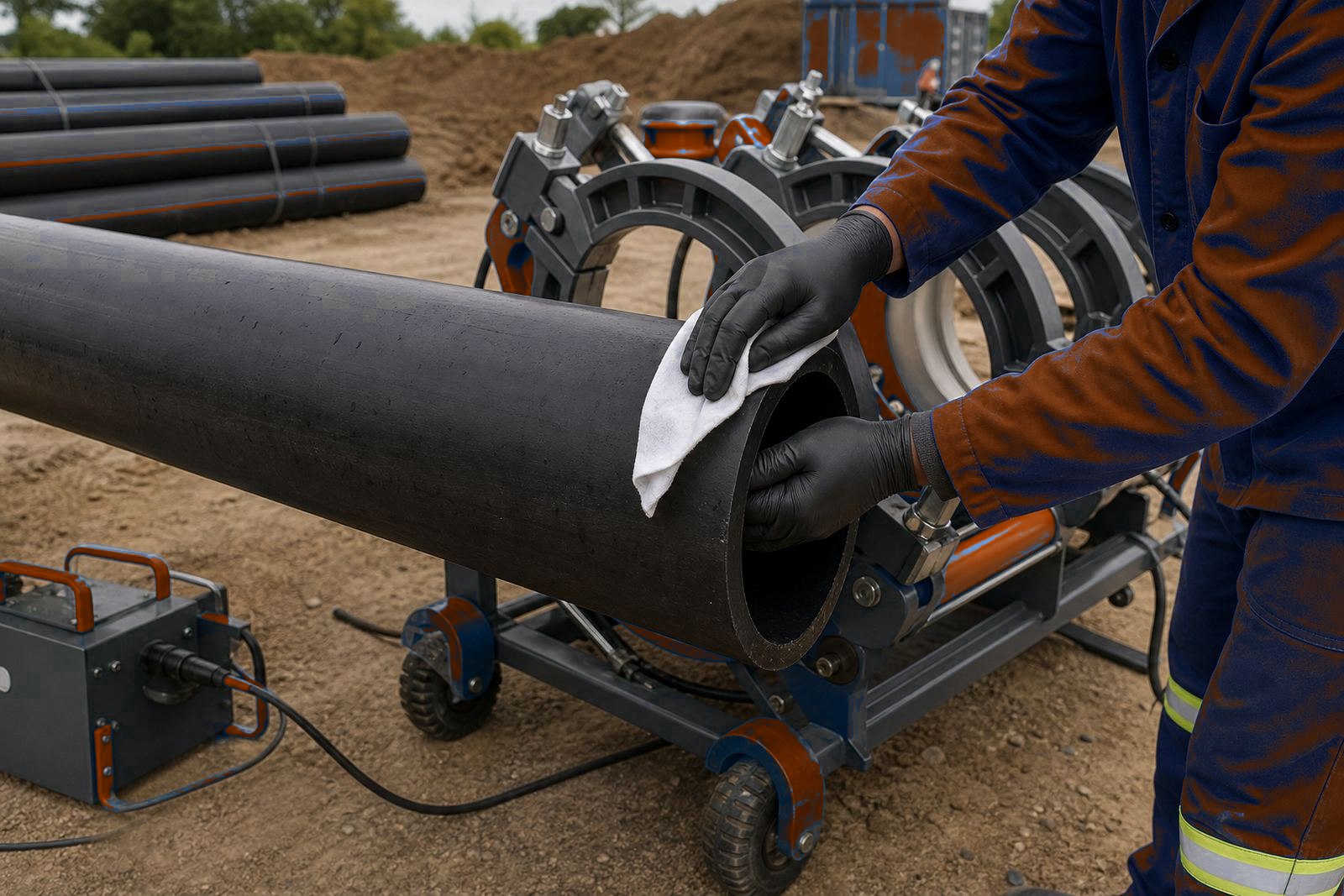
HDPE fusion is a controlled process. The pipe ends are clamped, faced square, checked for line and clean contact, then heated against the plate until the correct melt bead forms. The sequence protects the weld through careful control on the controls.
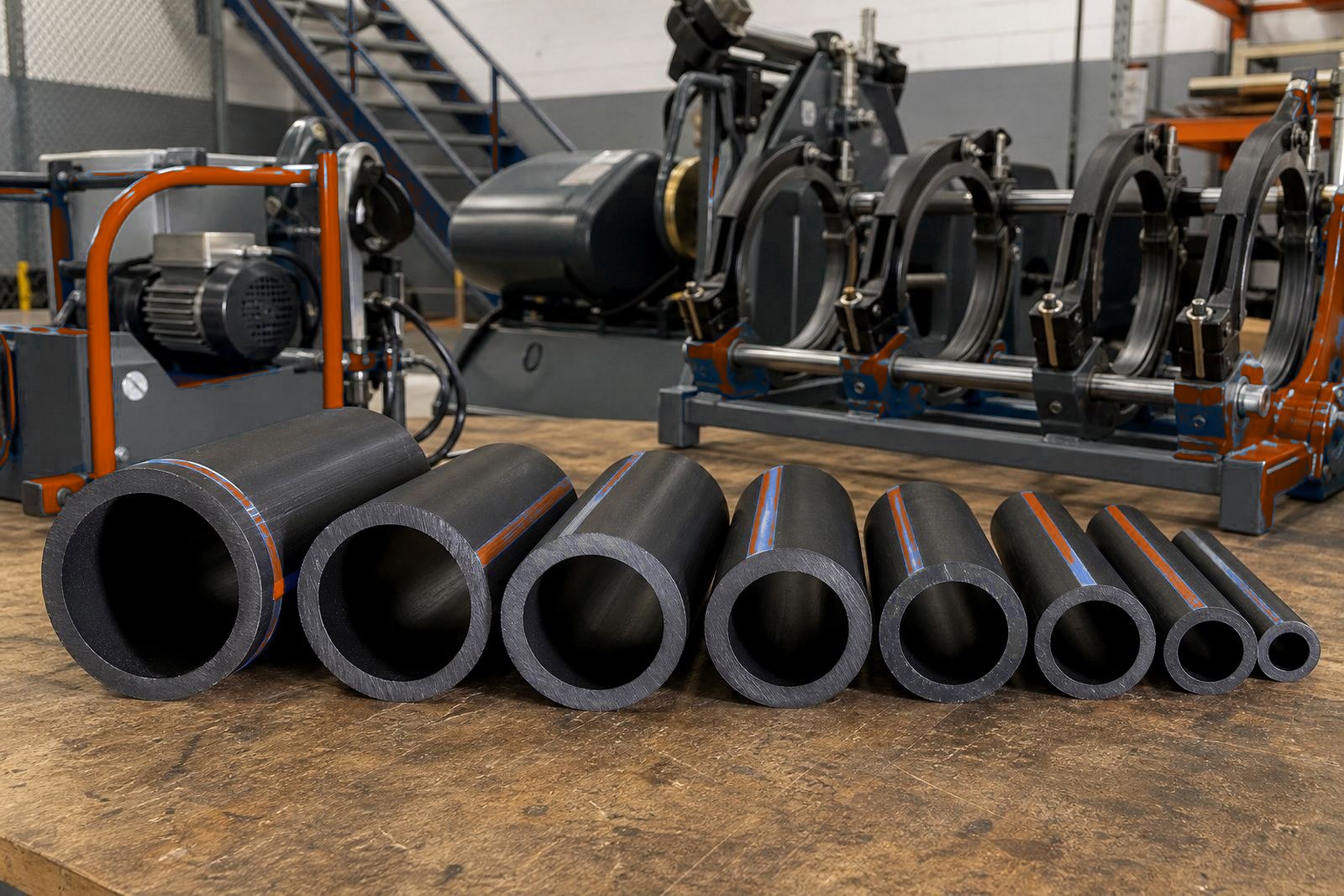
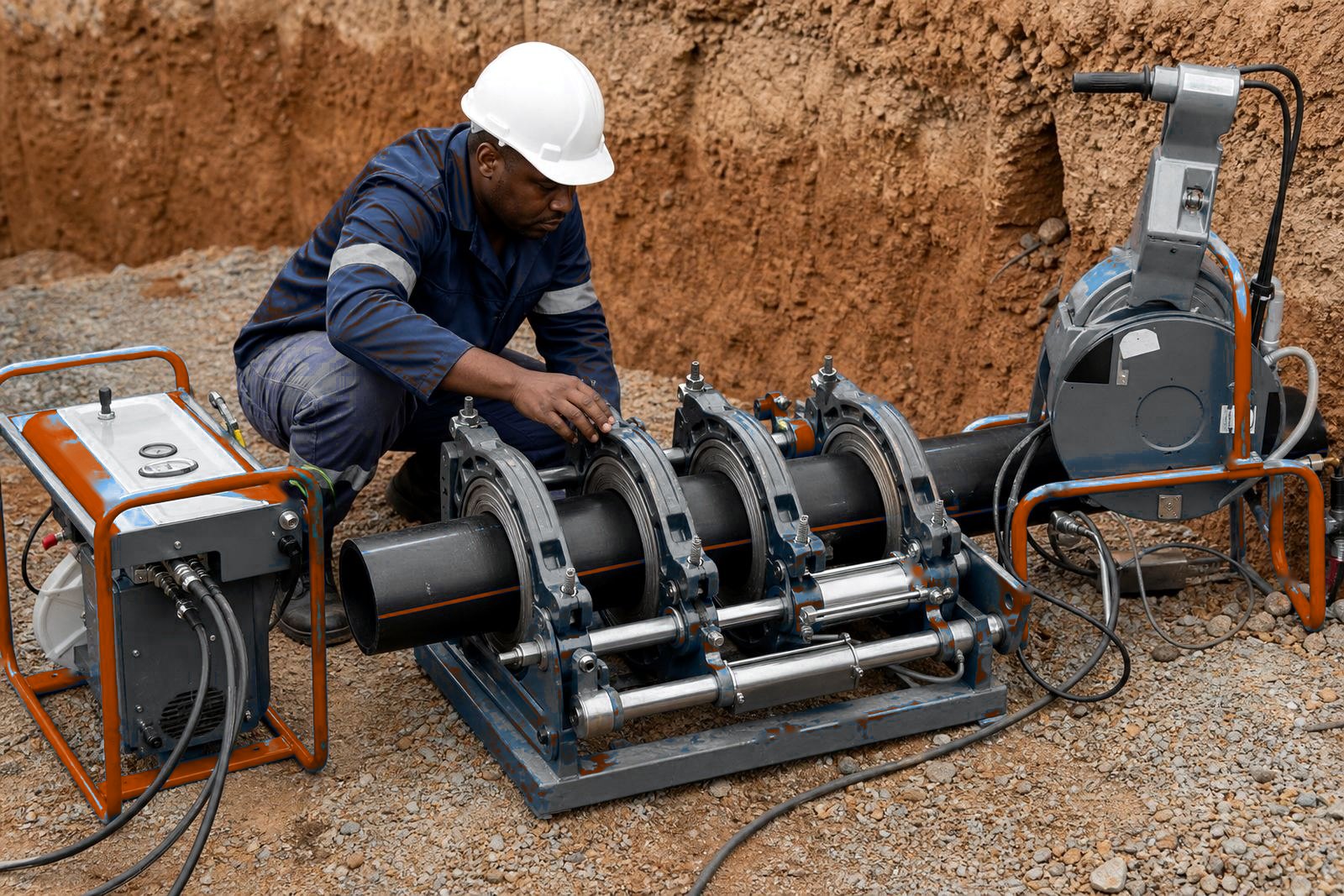
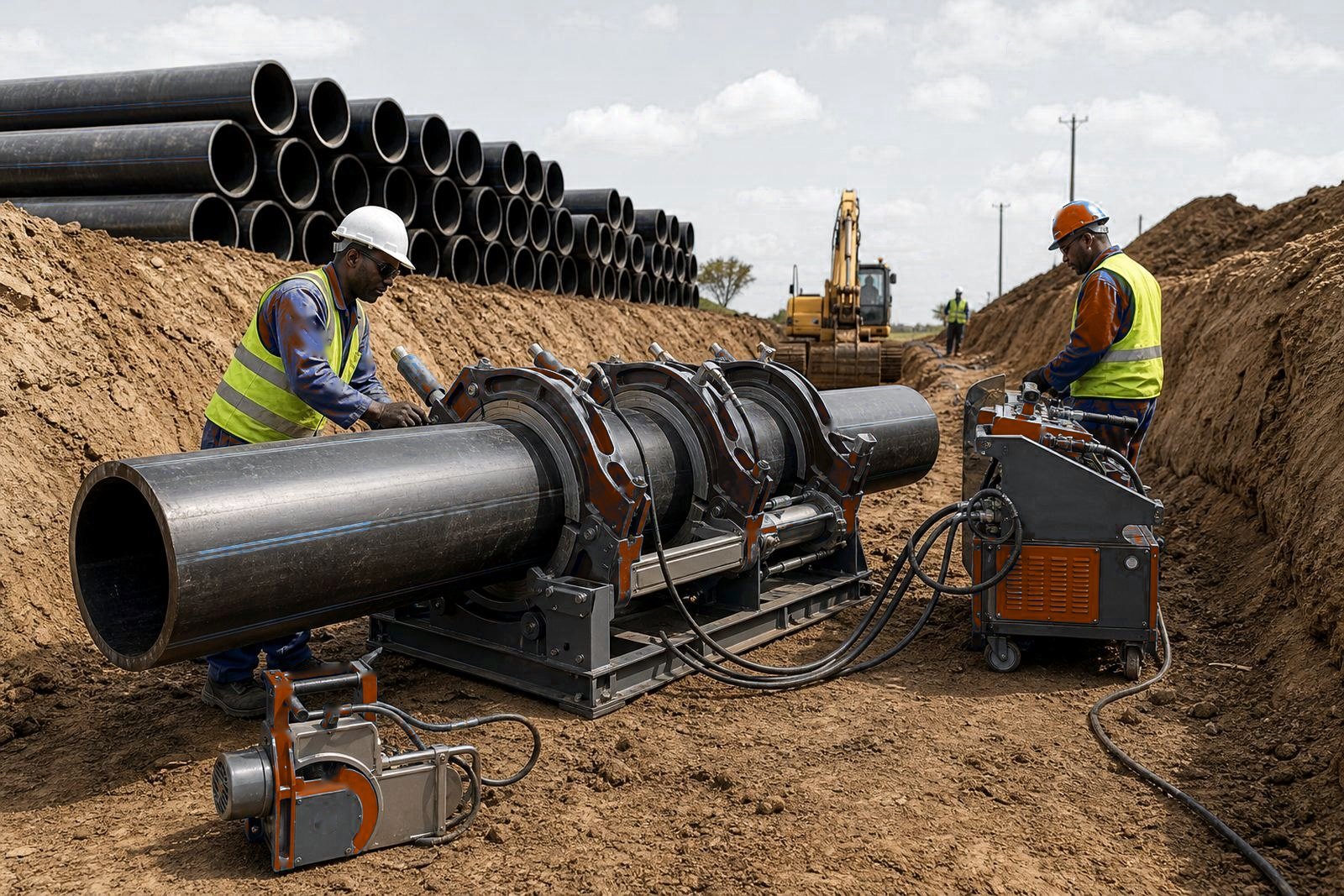
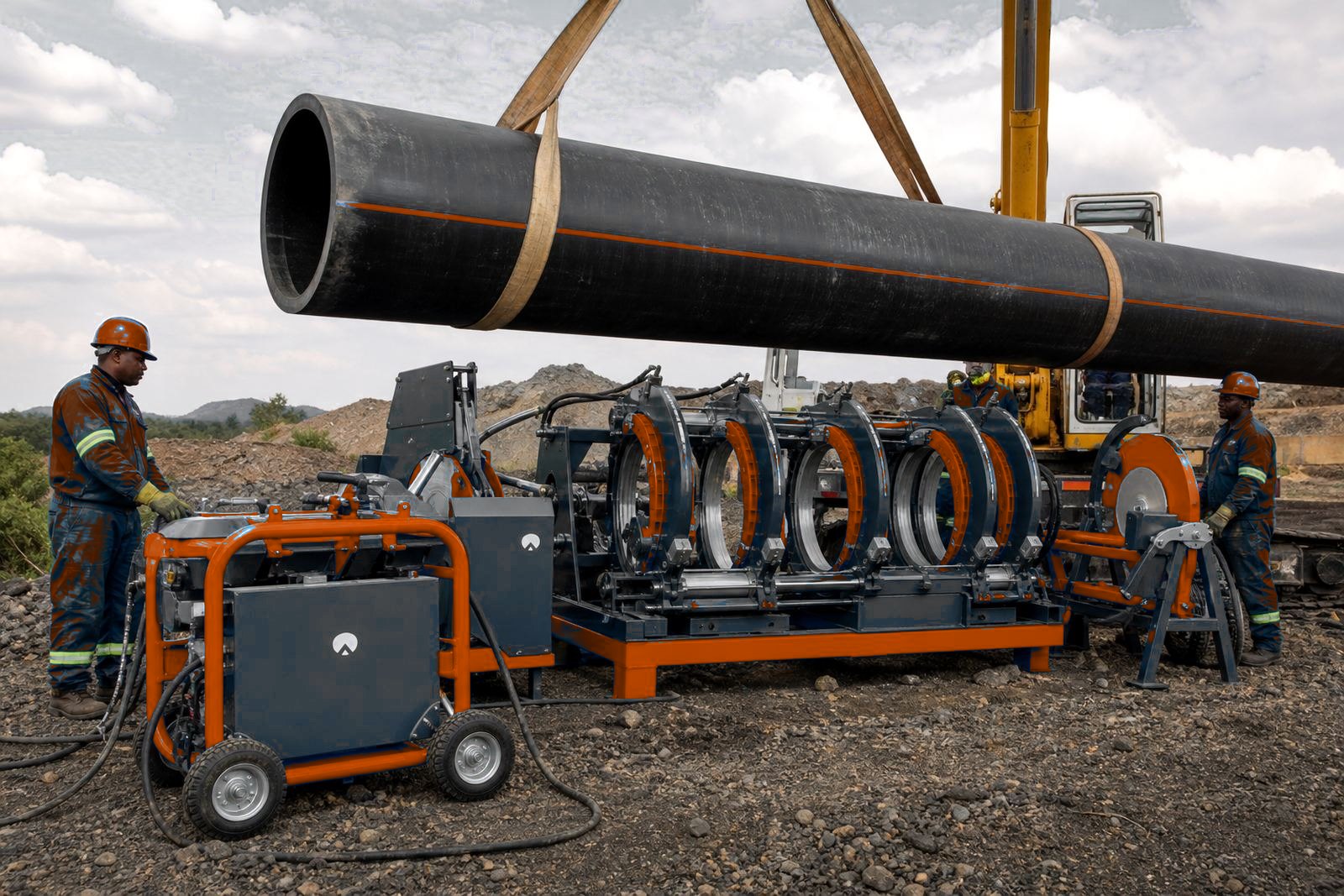
We supply machines for a range of diameters and SDR classes, from smaller site work through to larger mainline jobs. We size the setup to pipe size, wall thickness, trench access and the handling needed around the joint. For work in the field, the machine has to be steady, readable and built for repeat use, even when the job moves between plant yard and site.
What sits in the shop for fusion crews
Every machine we supply is set up for real welding work on site. A crew can collect a hire unit with the key items checked and ready. We also handle machine servicing, heater plate checks, facer overhaul, clamp alignment and hydraulic pressure test work.
- Butt-fusion HDPE pipe welding machines for site and workshop use
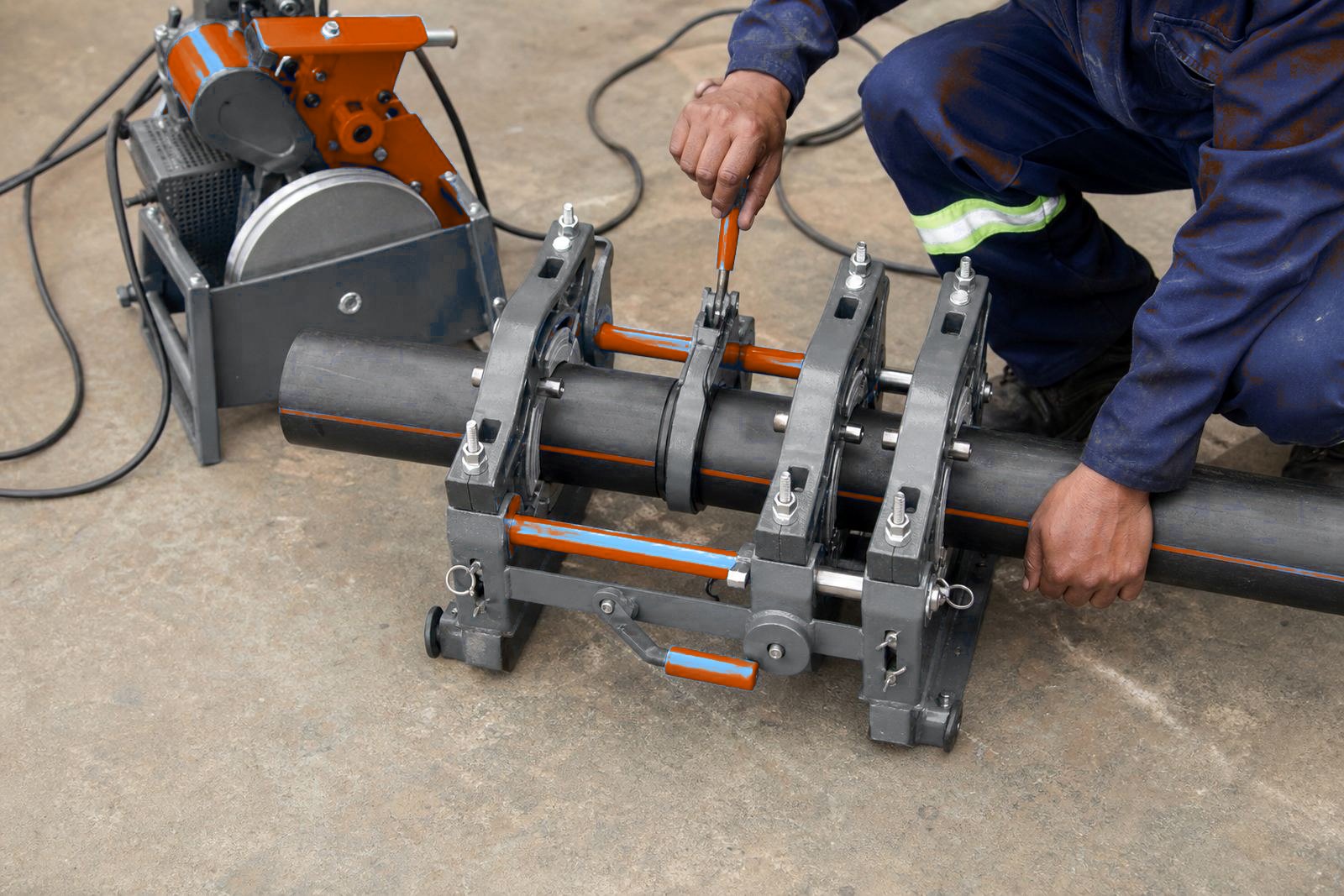
- Clamp sets for alignment and pipe grip
- Hydraulic systems checked for pressure control
- Logging support for weld records and traceability
Data logging is part of better fusion practice where a job calls for records. Crews need the weld cycle captured clearly, with pressure, time and joint details kept in order. That helps on larger pipelines and on work where the client wants a proper record of the process alongside the finished bead and the handshake.
The people who call for fusion gear
Plumbing contractors, water teams, mining crews and civil contractors make up most of our HDPE customers. Some jobs are short runs with tight access, while others stretch over long sections with big pipe, long days and plenty of moving parts. We match the equipment to the pipe size, access and joint method on each job.
Our team also supports operators who need training before they run a job on their own. Operator courses and startup visits run on the crew's own machine. Bead inspection shows whether the setup and pressure were right through the cycle.
When the crew is under pressure, poor preparation shows quickly. A pipe that is out of line, a heater plate that is off, or clamps that are not seated properly can spoil a weld before the joint is closed. Our training covers clamp seating, heater plate checks and alignment.