Built for smaller HDPE pipe joints
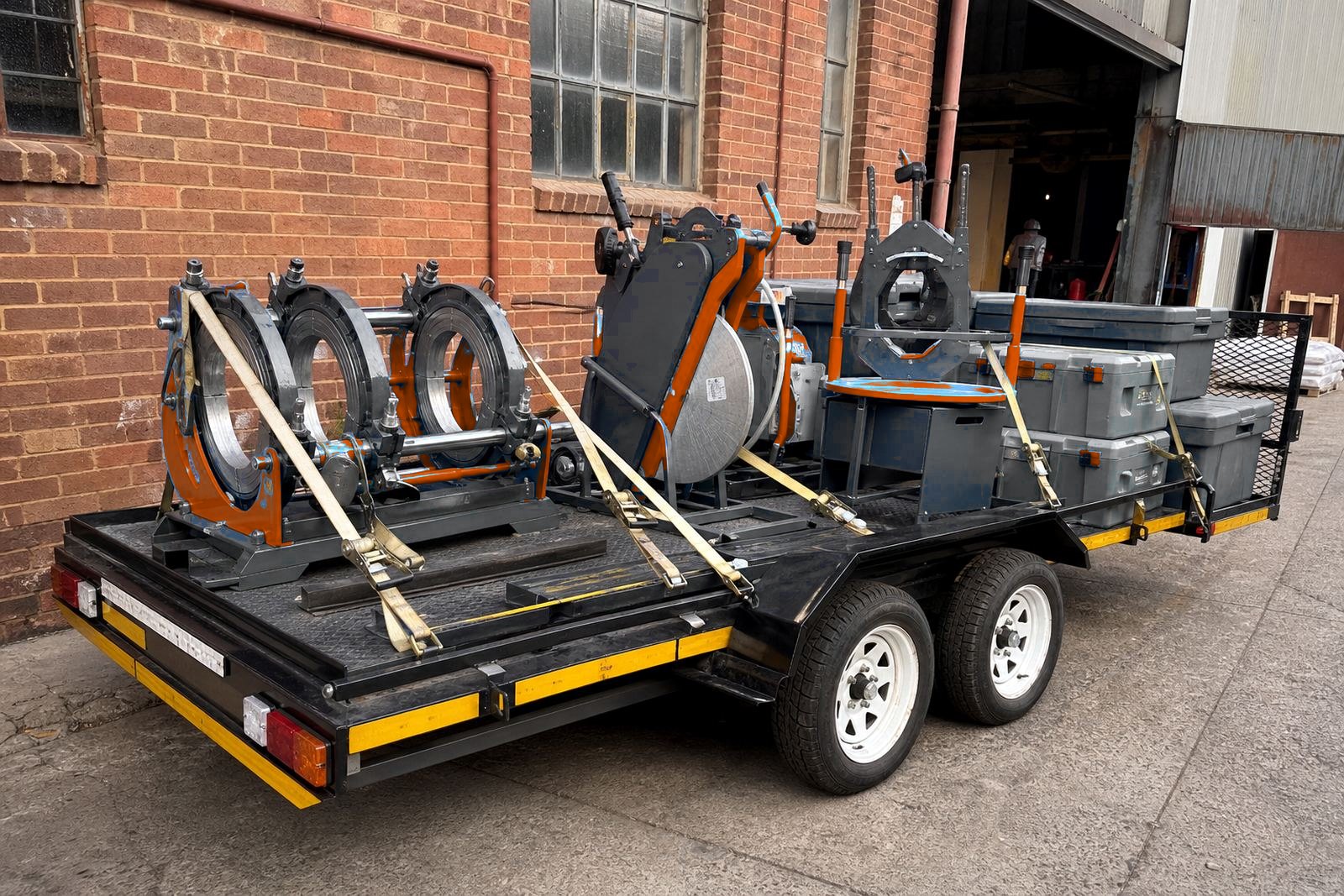
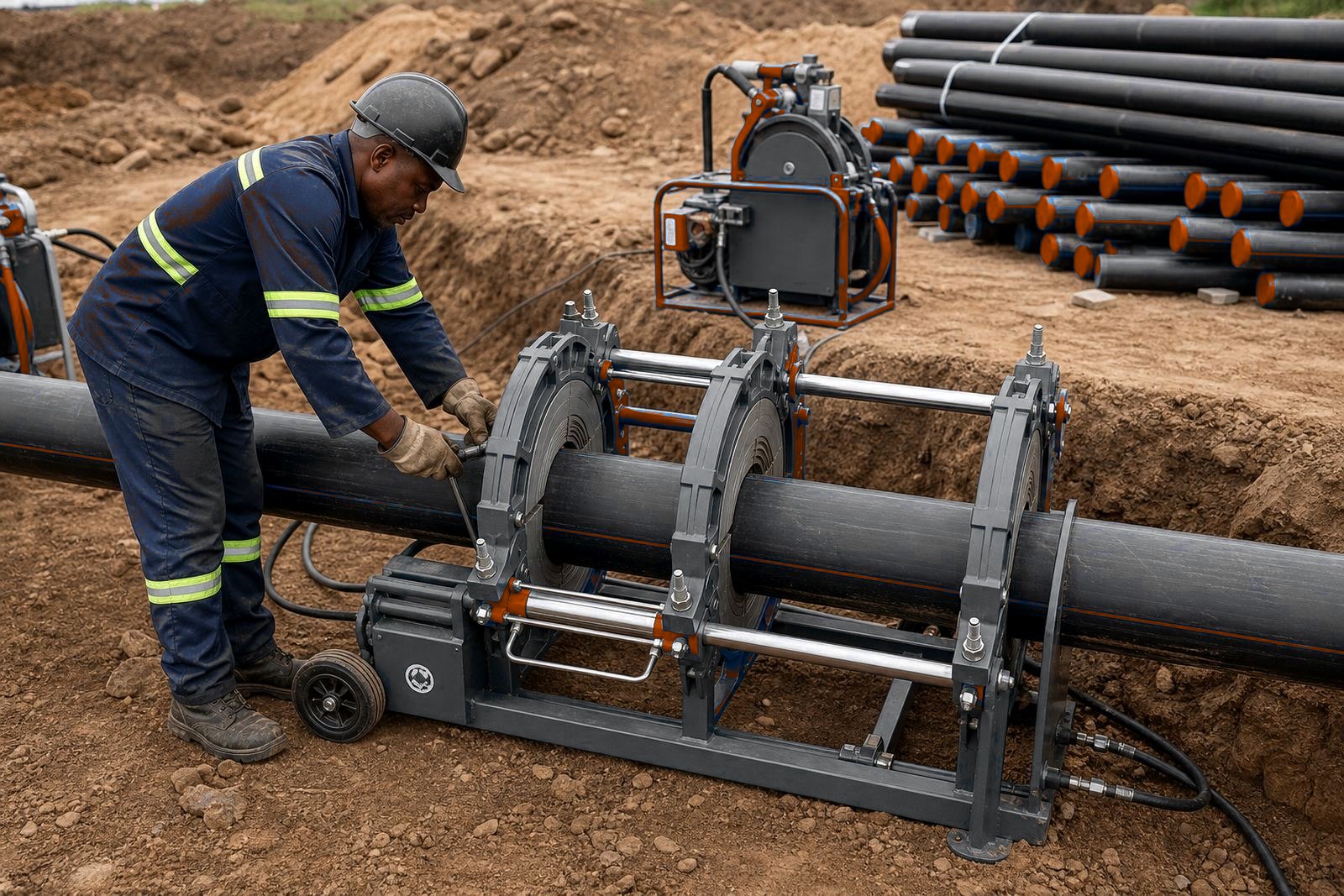
This manual welder is set up for butt-fusion on HDPE pipe from 63mm to 160mm, with the pipe held in clamps while the joint is faced, heated, brought together under fusion pressure and allowed to cool under control. The layout suits repair sections, short pipeline extensions, service lines and work where access is tight but the joint still needs clean alignment and a steady bead.
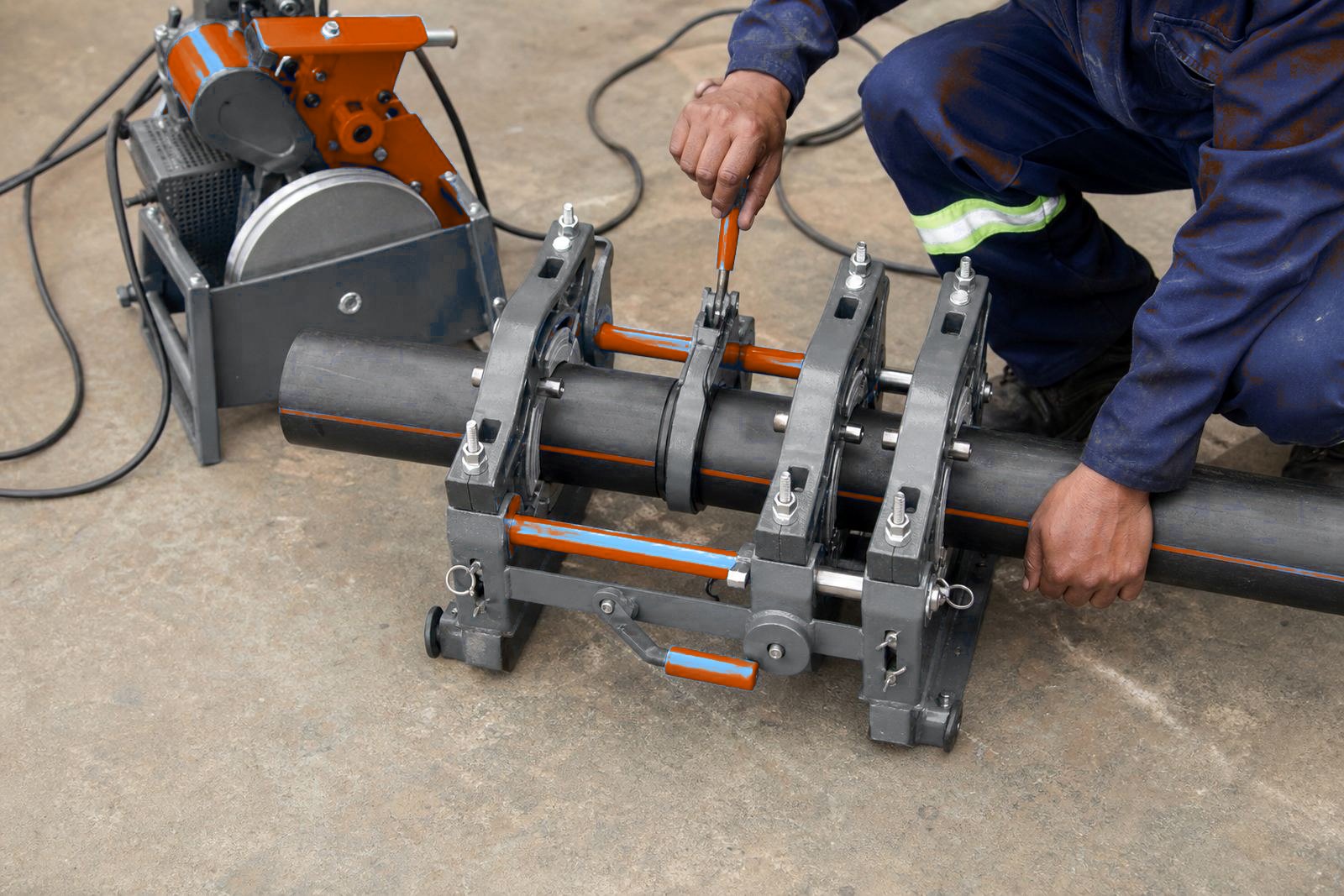
Manual operation gives the crew direct control over each stage of the weld. Pipe wall, SDR and site conditions can change from one section to the next, so the welding approach changes. The machine is used with a facer, heater plate and clamp set so the ends can be prepared square, heated evenly and joined without dragging the pipe out of line.
Sizes, clamps and the working range
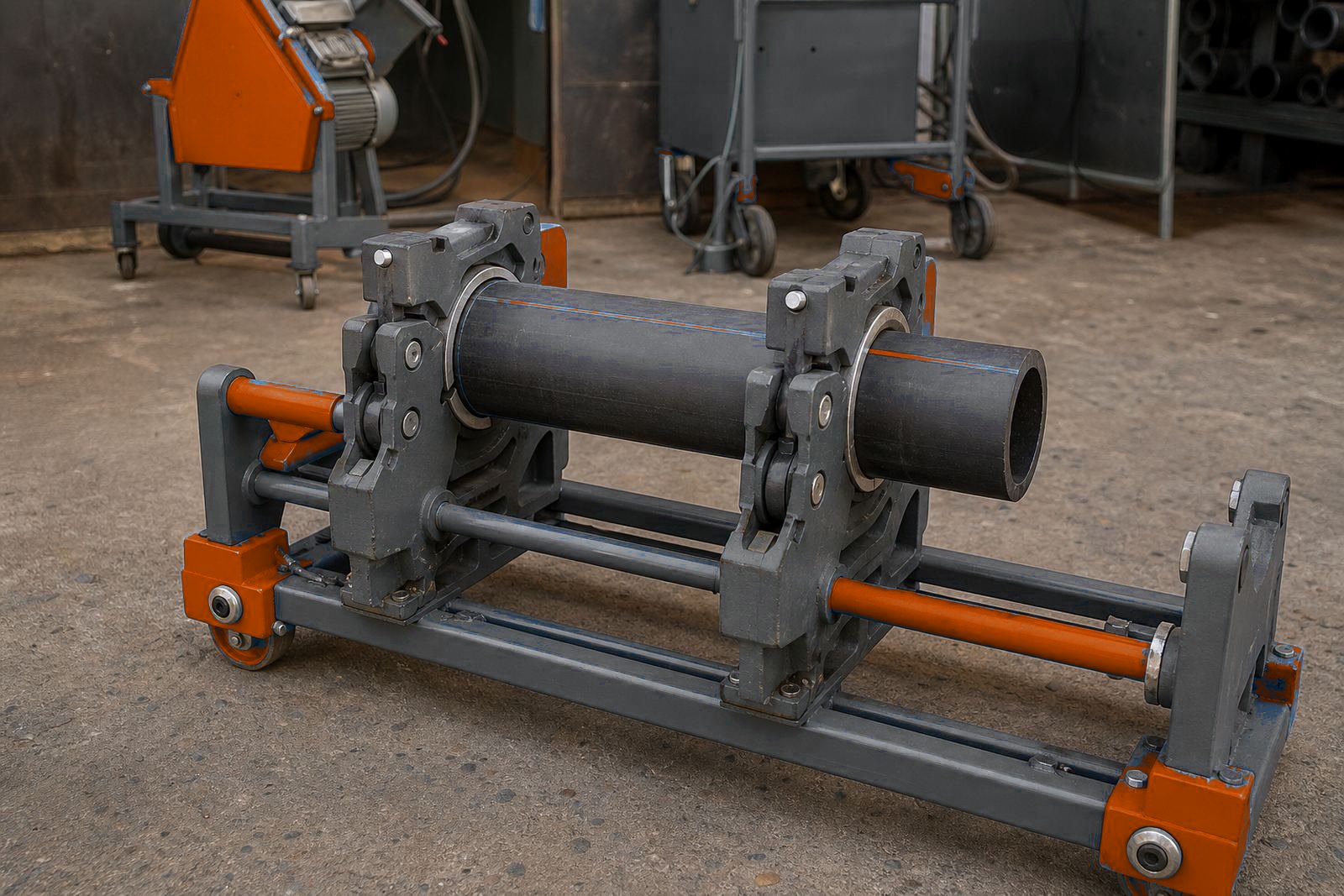
The frame and clamp set cover the common small to medium HDPE sizes used on site work. For water reticulation jobs, the range covers installs where 63mm, 75mm, 90mm, 110mm, 125mm, 140mm and 160mm pipe appear in one package. Its jaws centre the pipe so the operator can check end squareness before the heat cycle starts.
- Pipe range: 63mm to 160mm HDPE
- Suitable for SDR matching on light and medium wall pipe
- Manual pressure control during heating, changeover and fusion
- Compact enough for trench-side repairs and yard work
- Works with standard butt-fusion facing and heating tools
Clamp inserts on the 63-160mm welder must match each new outside diameter closely. A small shift at this stage can affect bead shape, alignment and the final joint finish, so the operator should confirm the clamps grip true before the heating cycle begins.
Typical jobs for the 63-160 manual welder
The 63-160 manual welder is often used on irrigation repairs. It fits jobs where a full-size fusion plant would be too much to move, yet the joint still has to be made to a proper fusion sequence and inspected before backfilling or pressure testing.
Crews use this size for pipe work in service trenches where space is limited. Teams handling emergency repairs can set the machine close to the line and position it without major lifting gear, making it practical for the job.
- Water reticulation repairs
- Maintenance shutdowns and sectional replacements
What the fusion cycle needs from the operator
On this size of machine, the operator should watch bead formation, symmetry and surface finish. An even bead around the joint tells you the pipe ends were heated and pressed in line. One-sided, rough or pulled beads mean the clamp setting, preparation or pressure sequence is reviewed.
- Confirm pipe ends are clean and dry
- Face the pipe until the ends are square
- Check heater plate condition and temperature
- Use the correct fusion pressure for the wall thickness
- Allow full cooling time before release or handling
Options for weld logging
Teams that need records can add weld logging support so the joint details are written down with the pipe size, SDR, heater setting, pressure sequence and cooling period. That helps when a site team must track work across multiple sections or hand the line over to another crew later in the job.
Training suits operators who know the basics and want sharper alignment, bead inspection and timing. Hire is also available for short runs and seasonal work.
Care that keeps the machine ready
A manual welder lasts better when the clamps are kept clean, the guide bars stay free of grit and the heater plate face is checked for damage or contamination. Dust from civil sites, wet trench conditions and fine sand on coastal jobs can all mark the plate or make the clamps grip unevenly. The facer blades need attention as well, because a poor face can set the whole joint off centre.
Hydraulic pressure should be checked in line with the working load, especially if the machine is moved often between sites. After use, the frame, clamp threads and moving parts should be cleaned and stored where the plate and facing tools will not get knocked or bent. If a joint starts showing uneven bead formation or the clamps feel loose, the machine should be serviced before the next run.
Ordering details to confirm before dispatch
When requesting this welder, send the pipe sizes, SDR range, the usual joint type and whether the work is trench-side, workshop based or part of a mobile repair crew. Consider whether the team wants the machine on hire or as a straight purchase, since the fit-out can change with the job pattern.
- Pipe diameter range required on site
- Manual or assisted pressure control preference
- Hire or purchase
- Delivery area: town and site access details
Smaller HDPE fusion jobs are well served by this machine, with operator guidance on request.
Key facts
| Welding range | 63mm to 160mm HDPE pipe |
|---|---|
| Joint type | Manual butt-fusion |
| Controls | Manual pressure and alignment control |
| Main tools | Clamp set, facer, heater plate |
| Typical use | Repair work, short runs and smaller installations |