

Operator training on site fusion work
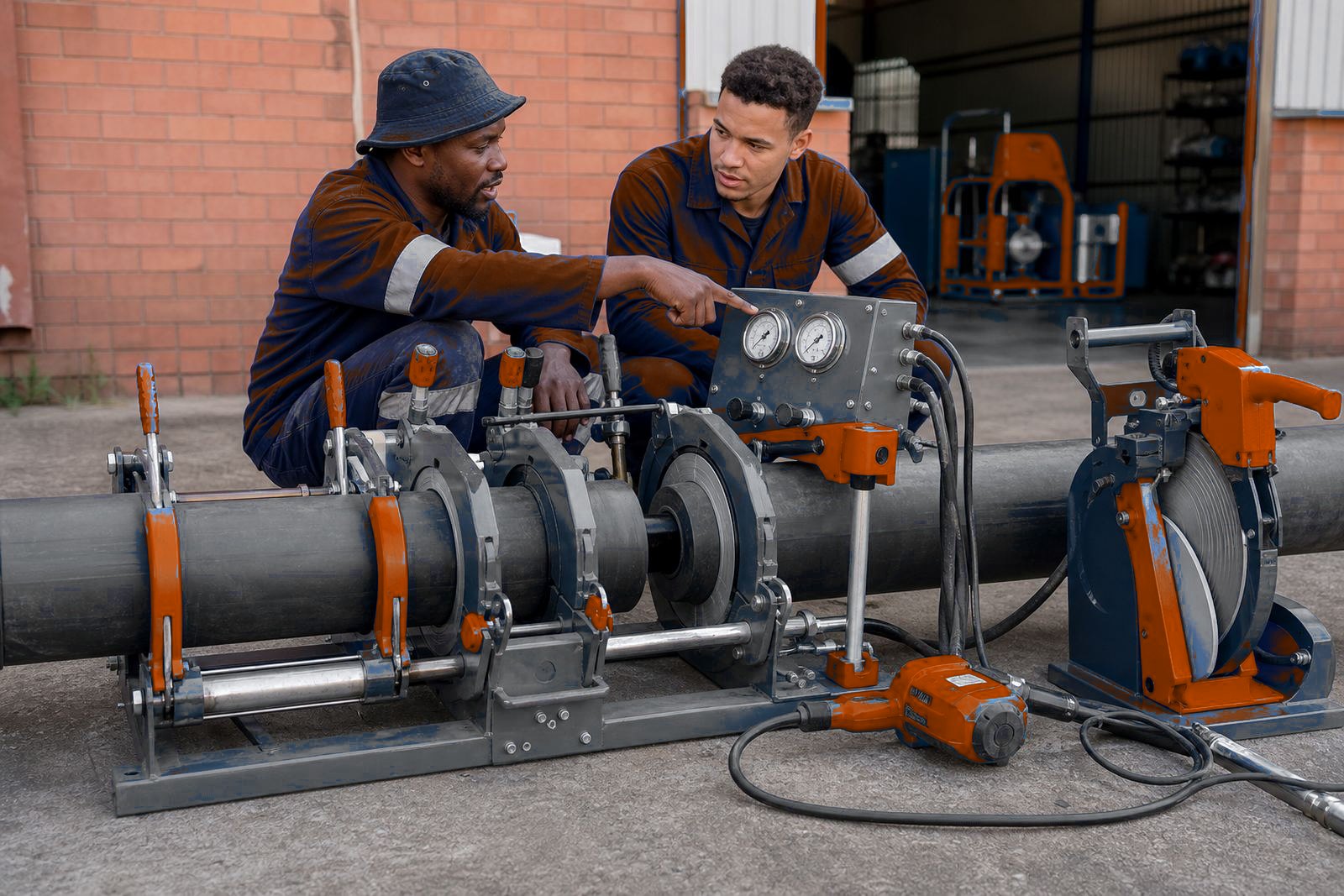
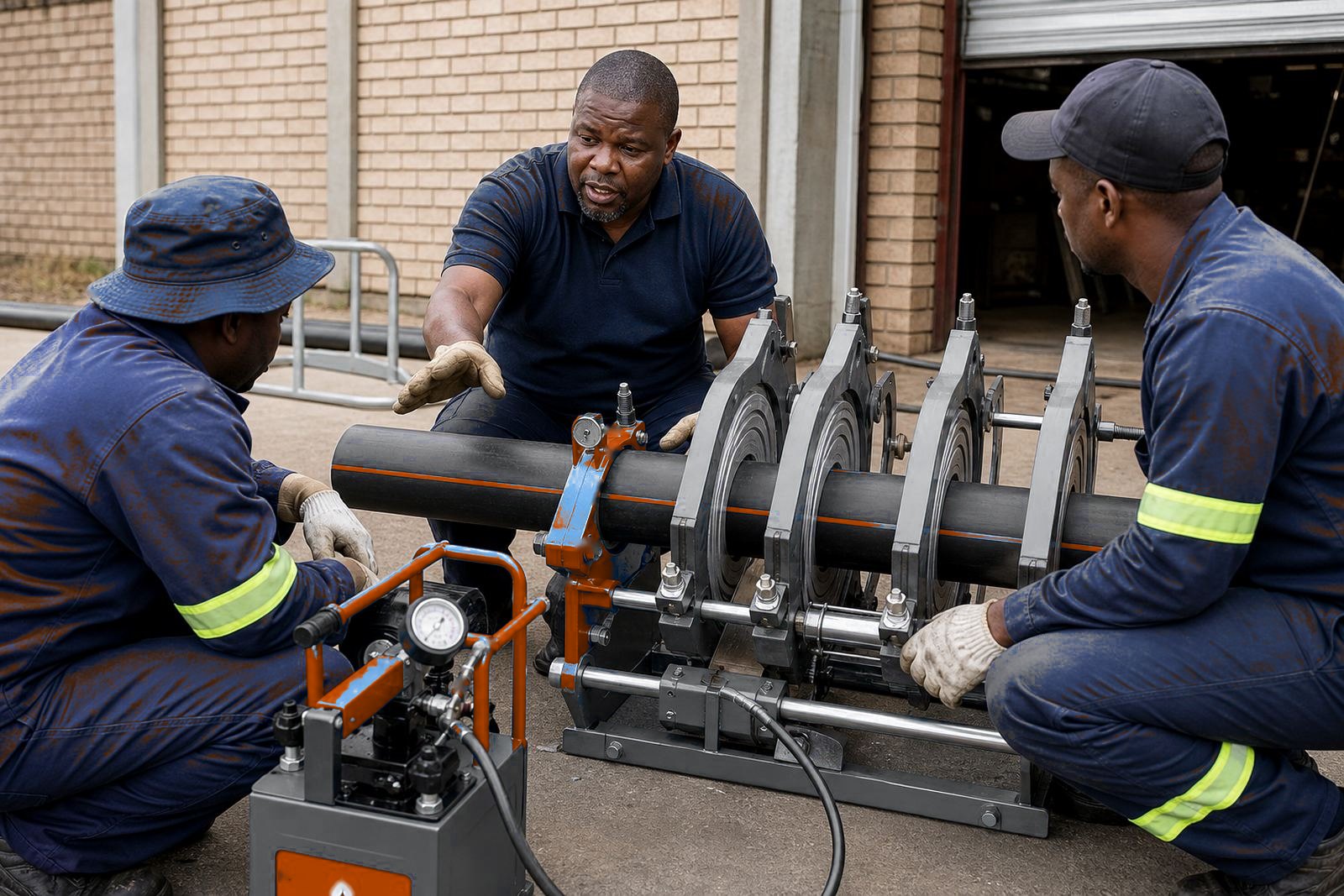
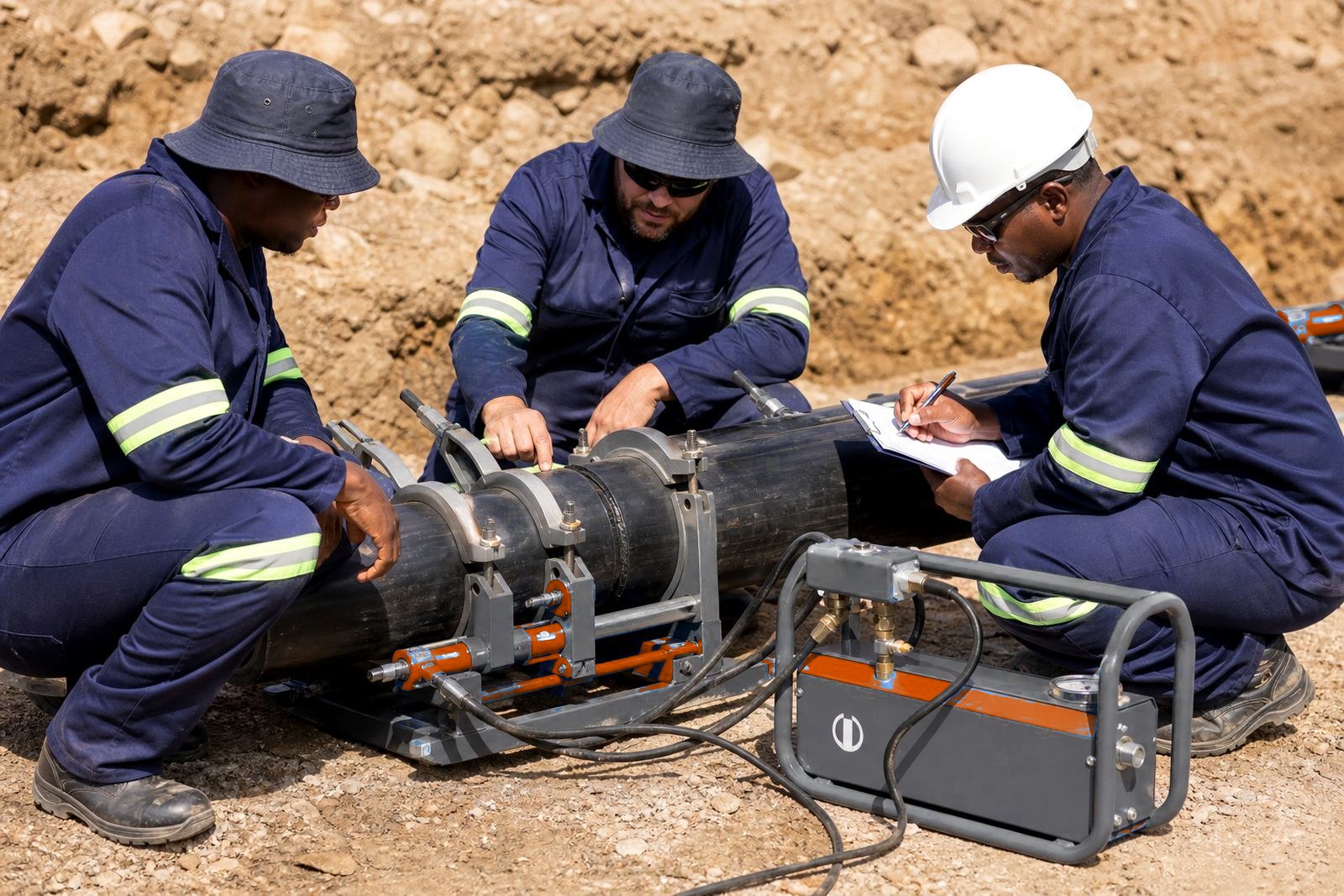
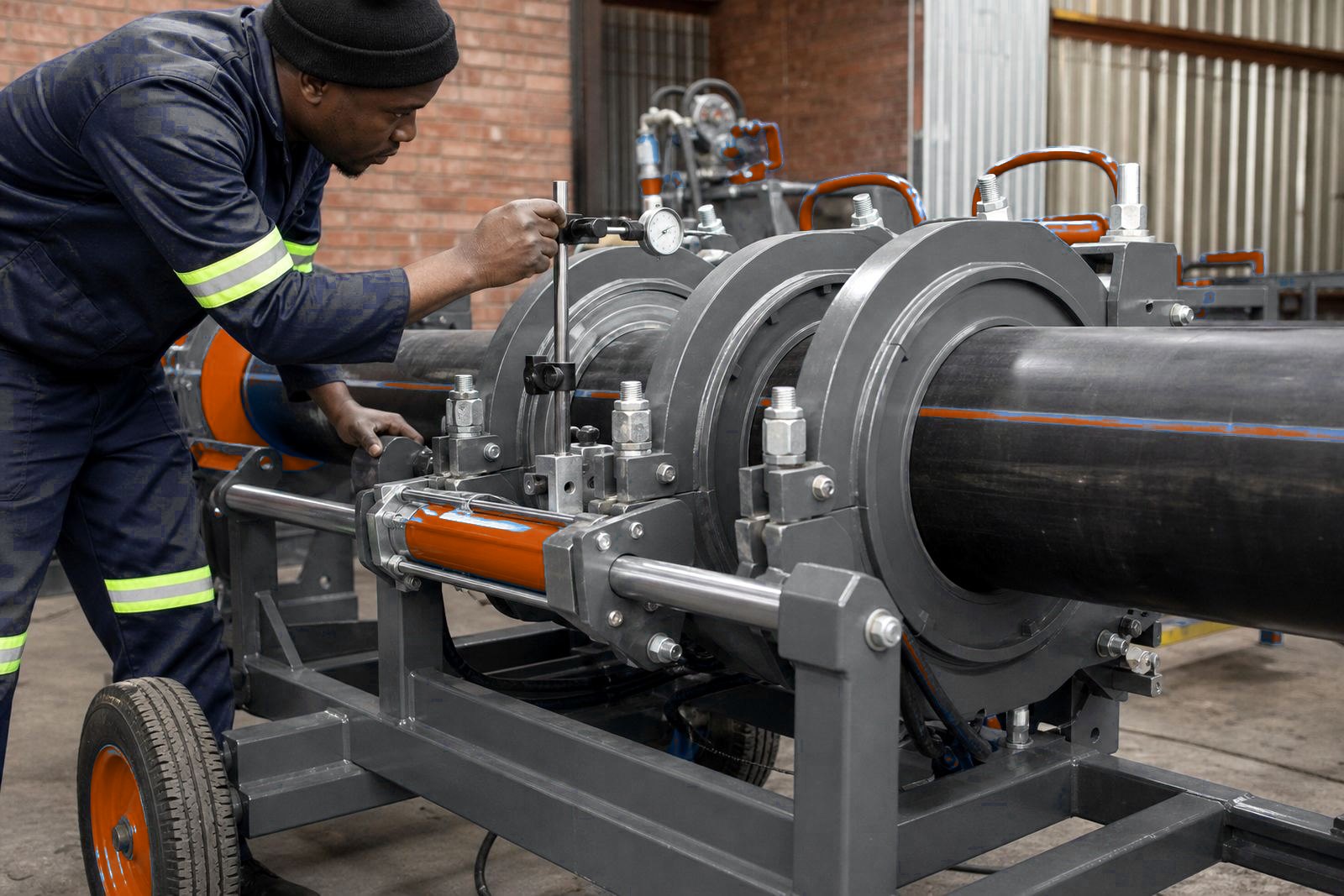
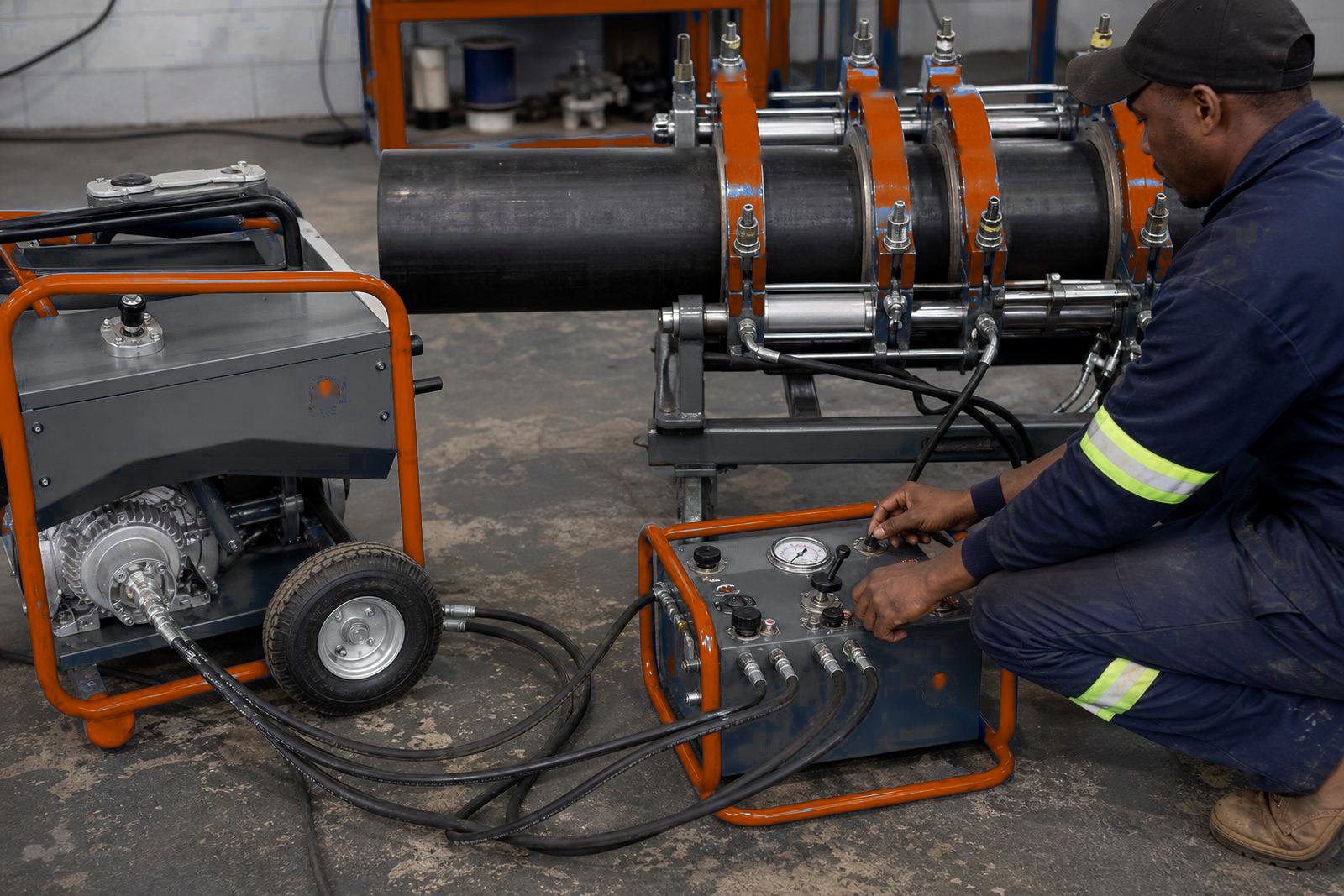
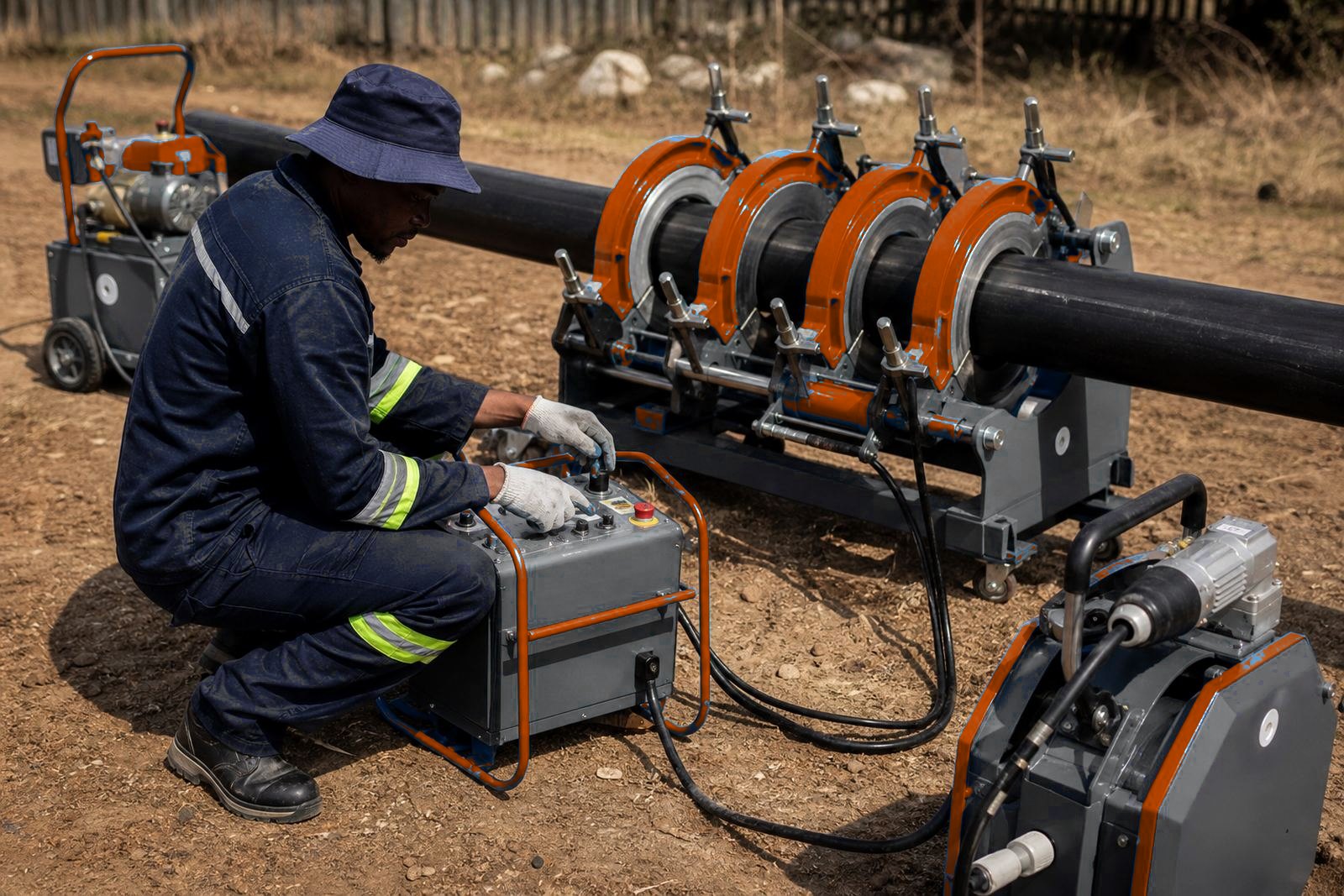
Our operator training uses site fusion work on HDPE pipe, with practical welds and clear process steps. Teams work through facing, heating, changeover, fusion pressure and cooling time so the weld cycle is understood from start to finish.
Training covers pipe sizes, SDR matching, clamp setup and keeping ends square. Bead shape, melt flow and visual checks are explained with photos and sample joints so operators can spot trouble before a joint is buried or pressure tested.
Refresher sessions for changing crews
Refresher training suits crews that already know the machine but need a tighter process after a break, a new site rule or a change in pipe range. New operators joining a team can use a common method for the first shift.
- Basic machine setup and safe handling
- Facing, heating and open time control
- Fusion pressure and cool-down checks
- Bead inspection and weld log entries
- Good practice for wet, dusty or windy sites
Workshop servicing
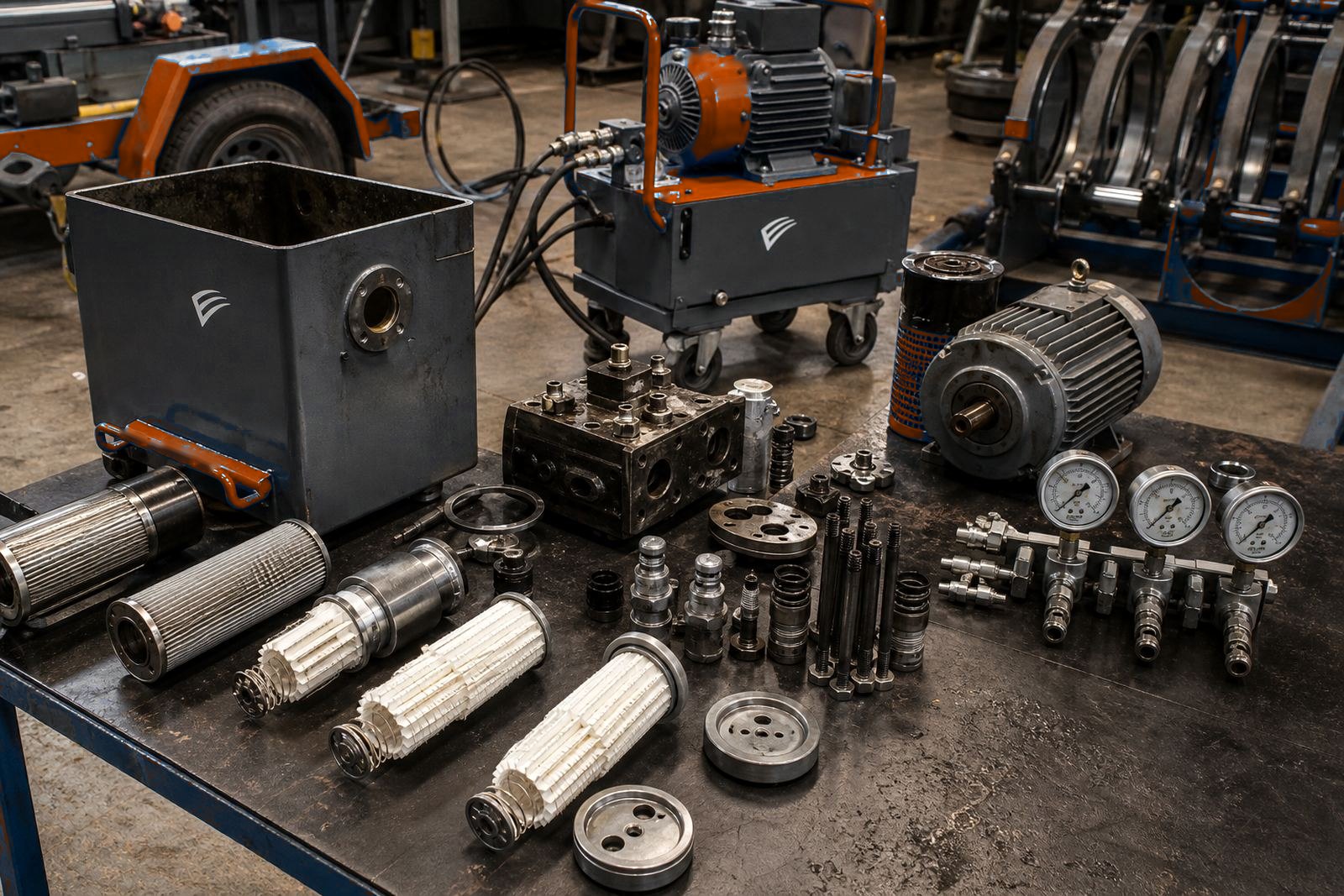
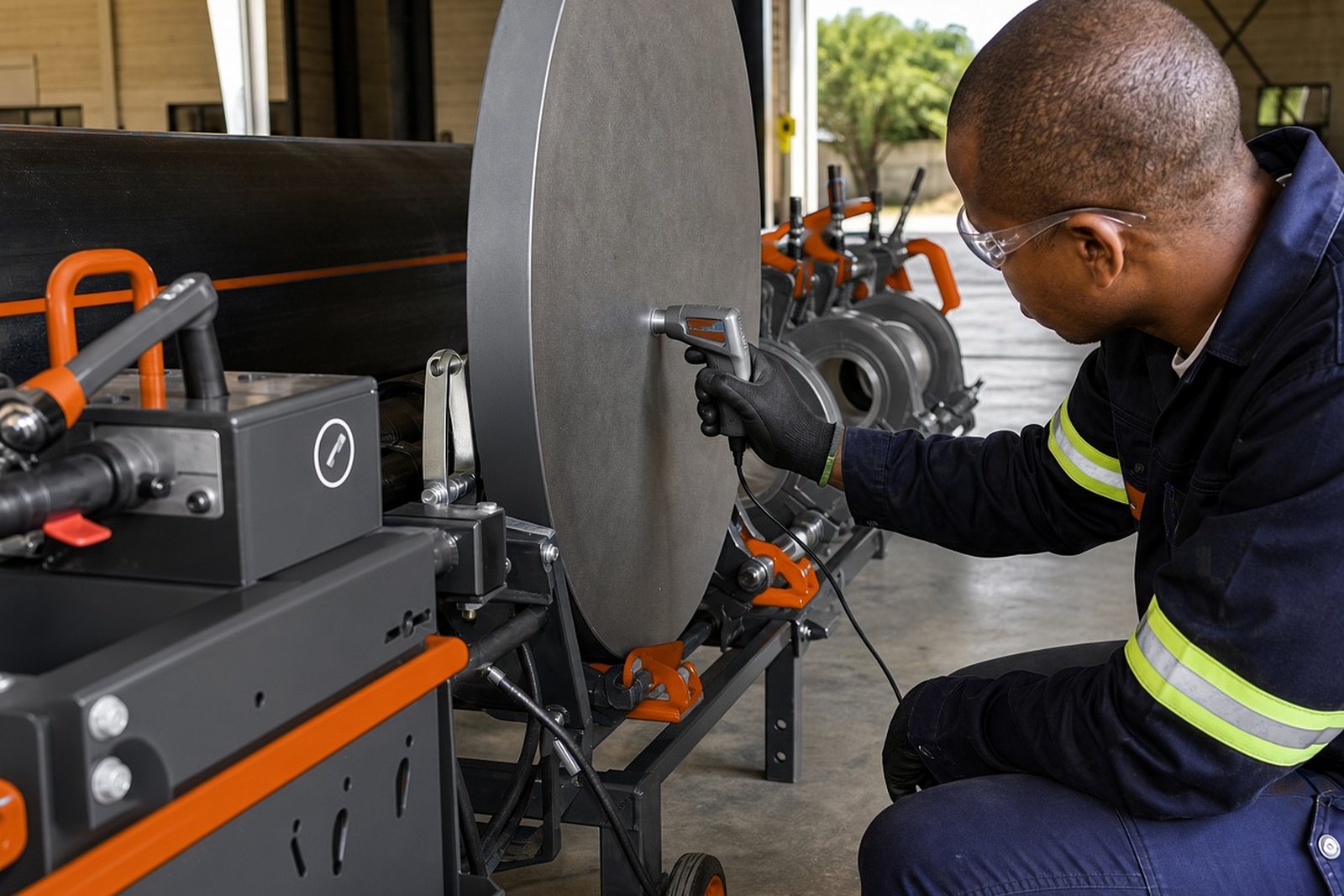
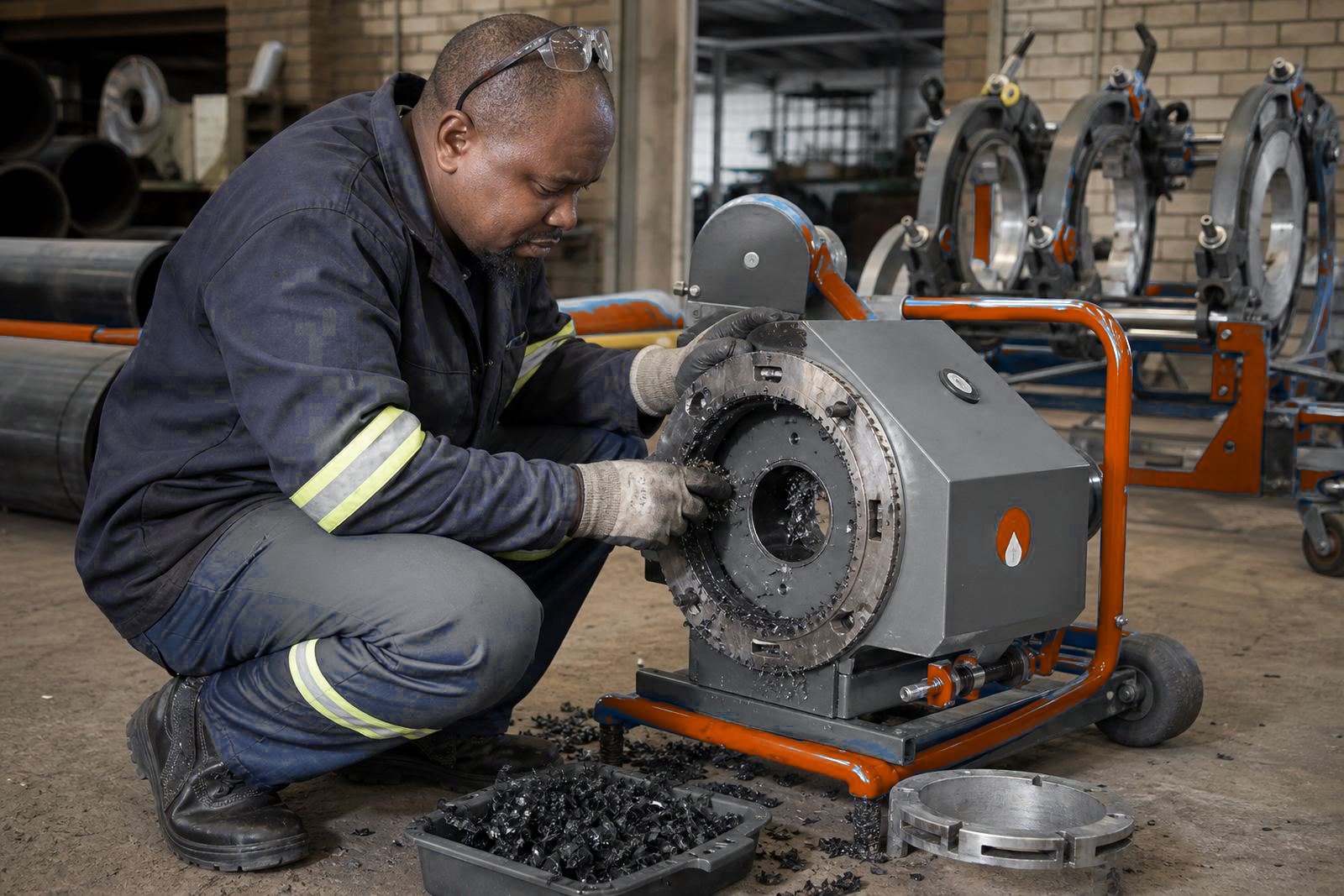
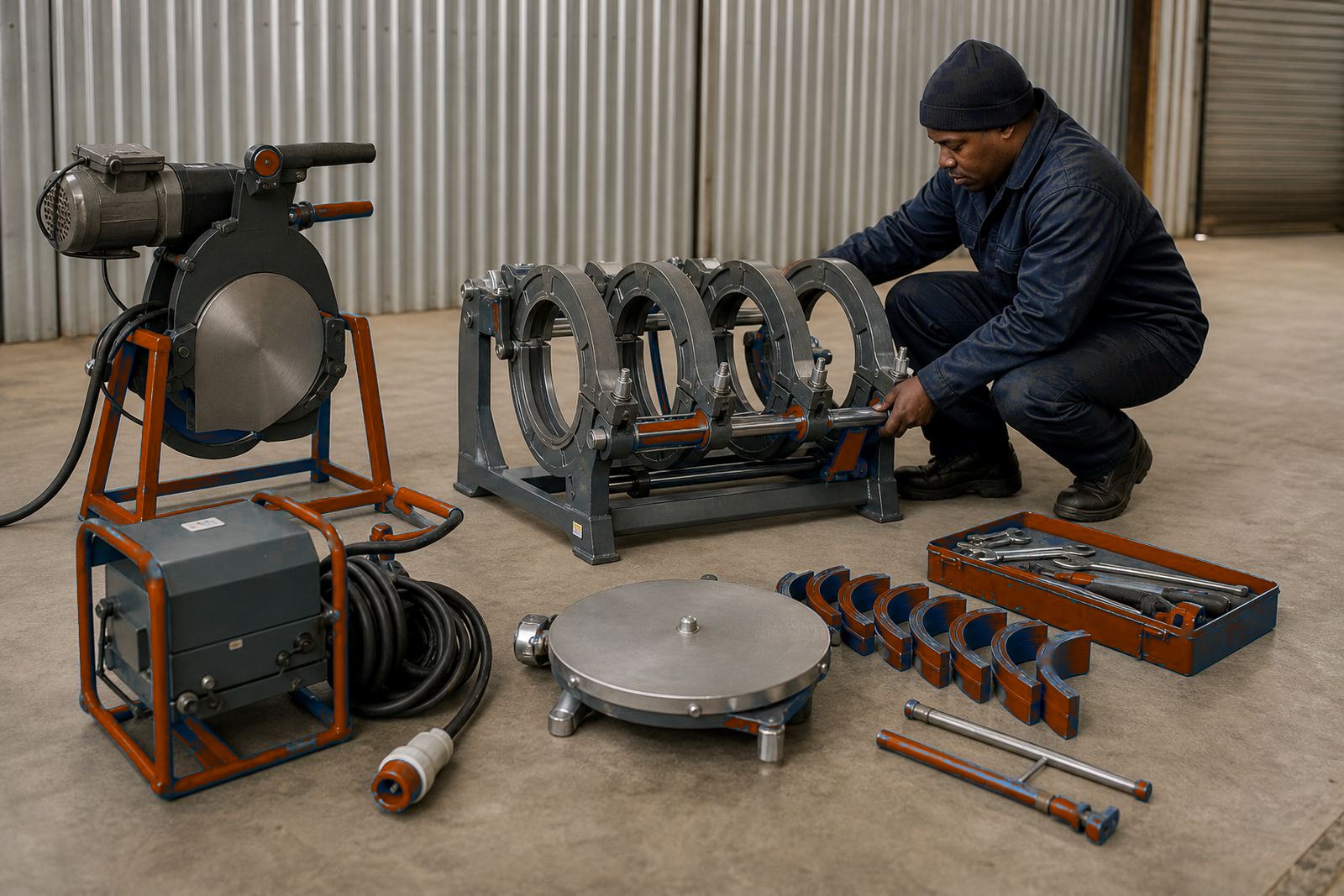
Workshop servicing covers the working parts that affect alignment, pressure and finish. We inspect hydraulic pressure, clamp movement, facer condition and heater plate performance, then sort the items that show wear or drift.
Hard use on long runs or moves between depots show first in clamp alignment and surface finish. Uneven plate heat or a ridged facer cut upsets the weld early.
Field checks where the pipe string is already live
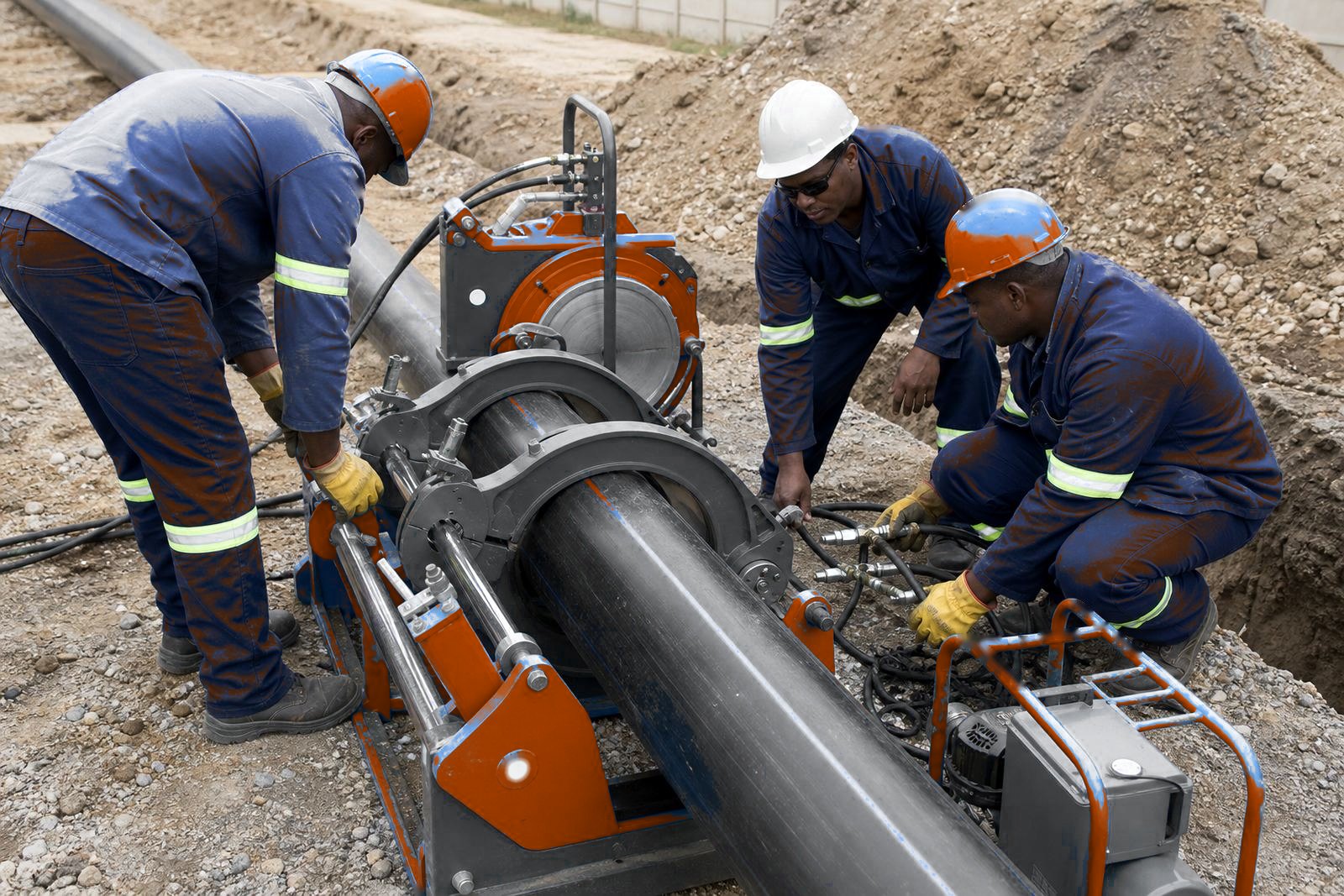
Field support is available at the yard, trench or laydown area. Field checks help with startup, machine set-up and the early welds on a run, especially where crews are working on larger diameters or different SDR classes during the same week.
Hire fleet prep and handover condition
Hire units need a clean start, because a machine that leaves the yard with a tired facer, loose clamp movement or poor heater condition will waste time on site. Hire fleet prep keeps the machine ready for the next crew and reduces last-minute sorting at loading time.
Collection inspection looks at the visible condition, the basic function and the parts that a crew will touch first. Clamps, heater plates, facer operation and the general fit of the unit are checked before it leaves the workshop.
How this support fits the welding cycle
The pipe faces must be clean and square, the heating stage must be even, the changeover must be controlled and the joint must cool for the full time before movement or pressure.
Our servicing is aimed at keeping those steps steady. Crews leave with clearer bead inspection, better control on large-bore work and cleaner records for weld logging at handover.