

Reading a butt-fusion job before the machine arrives
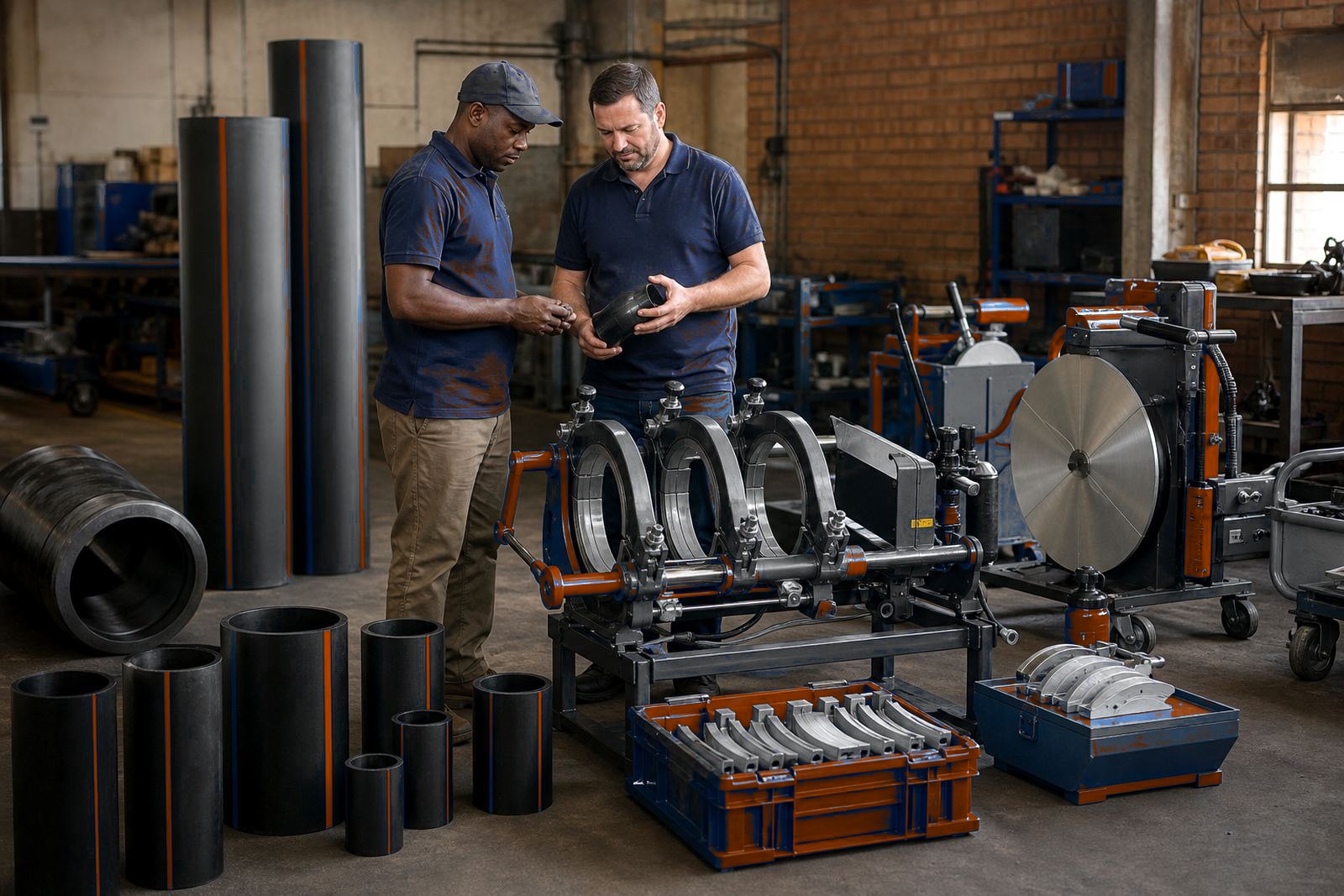
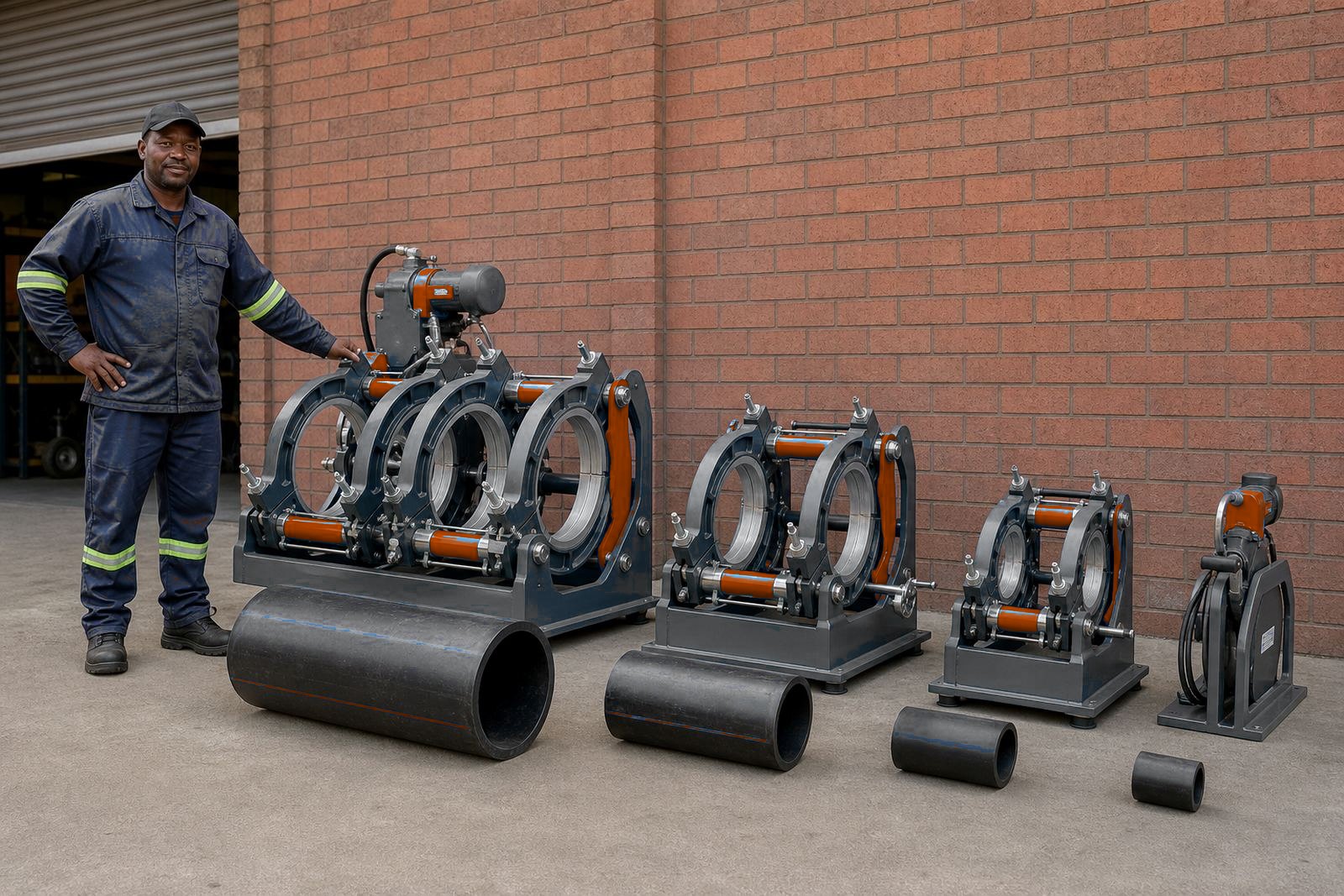
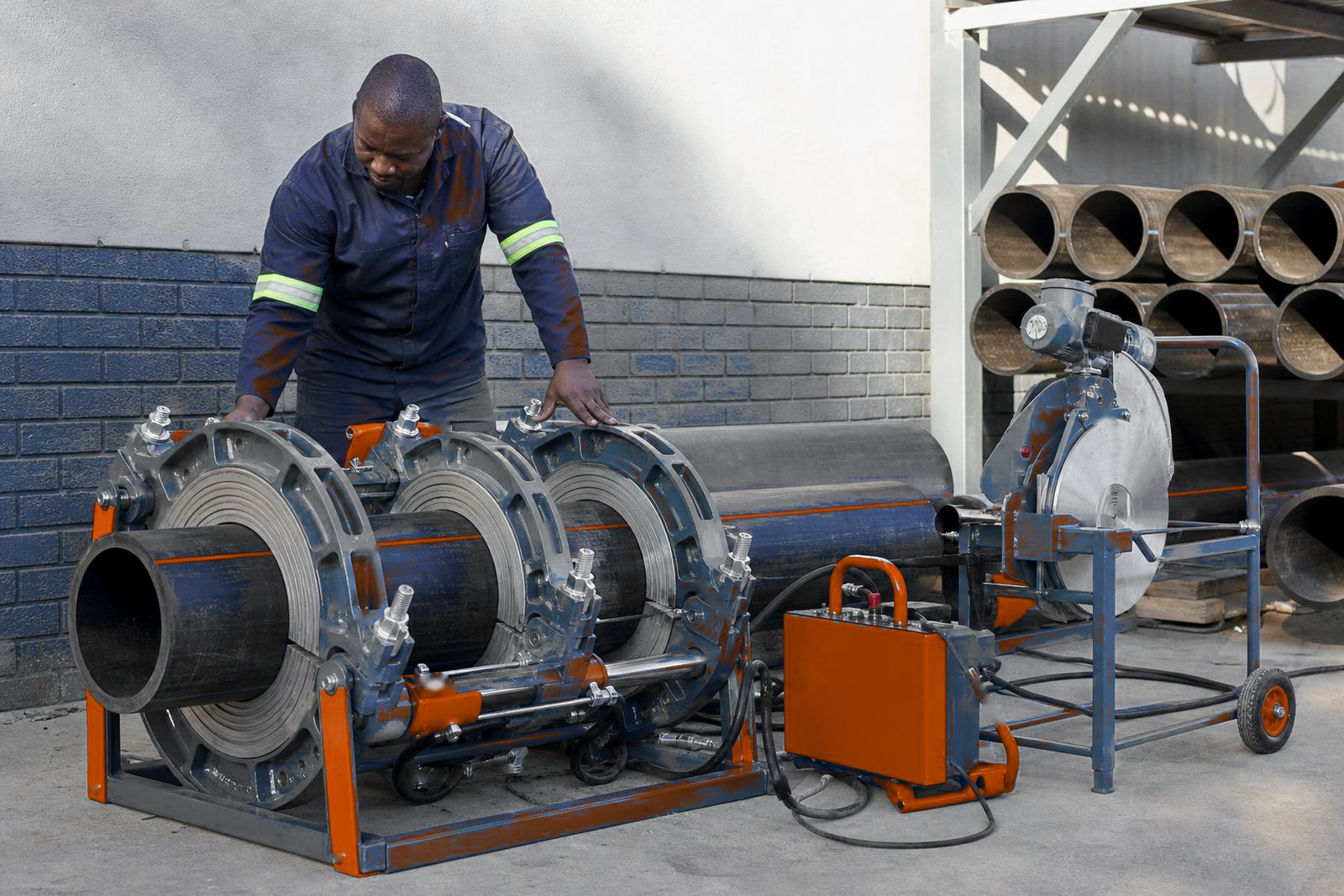
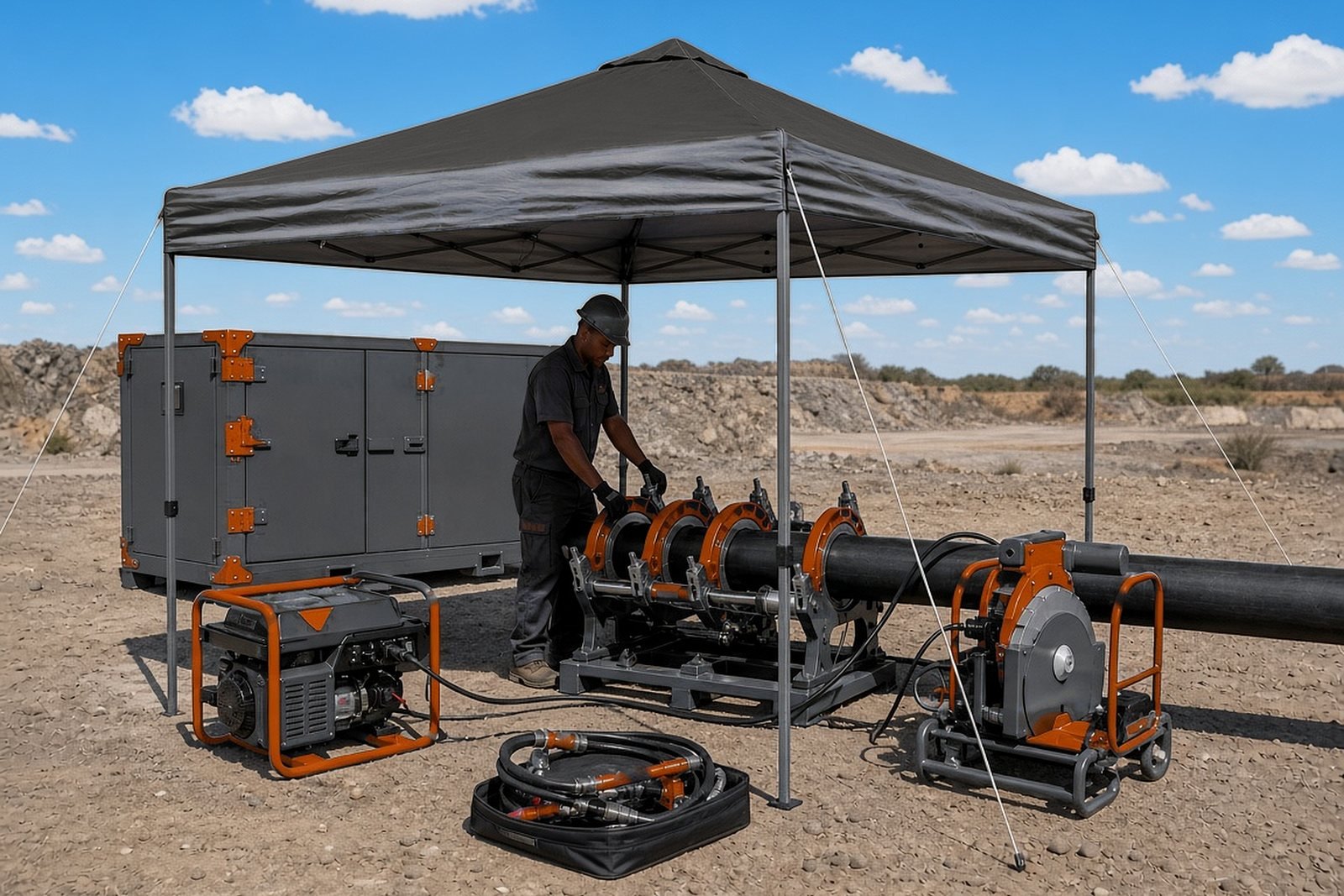
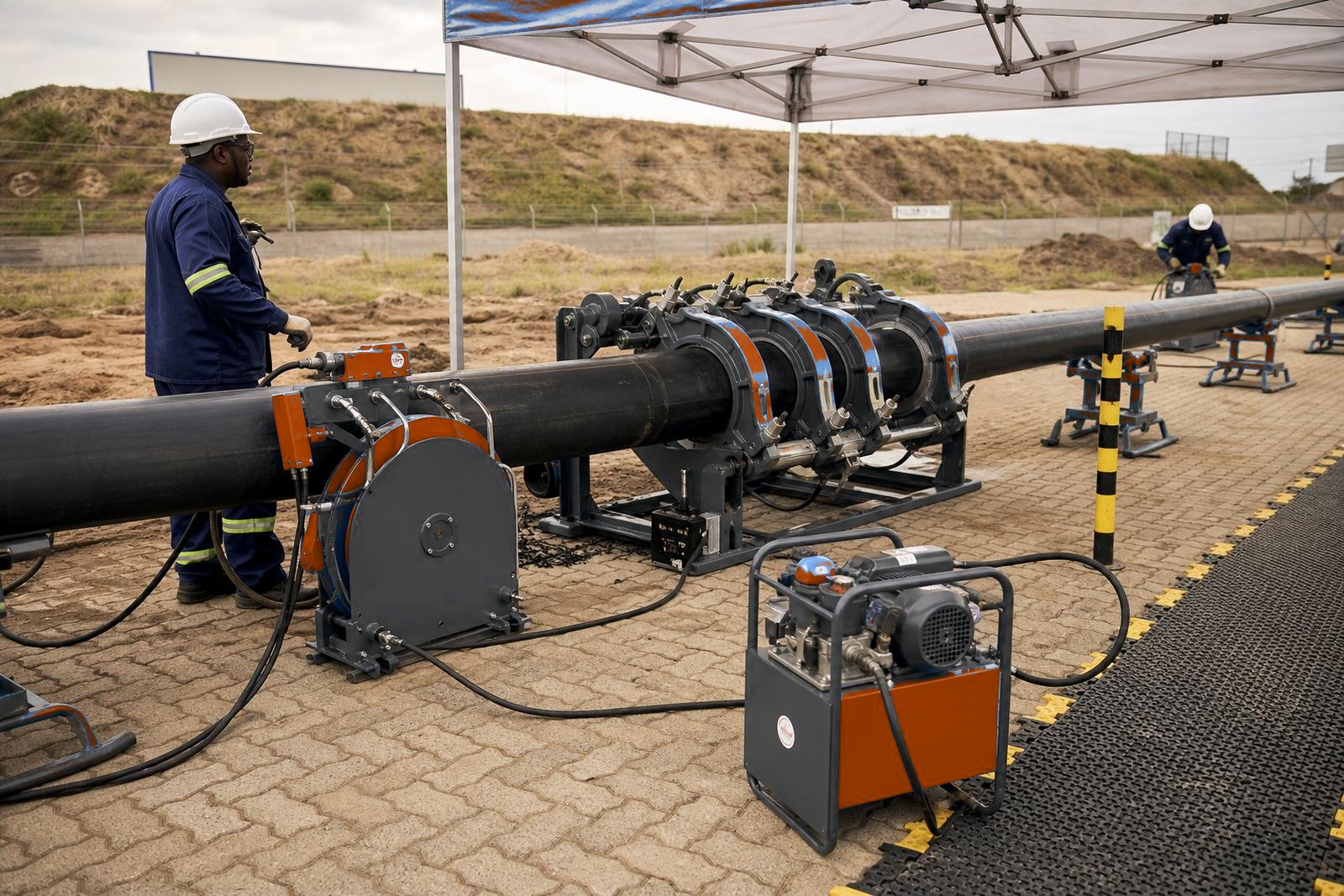
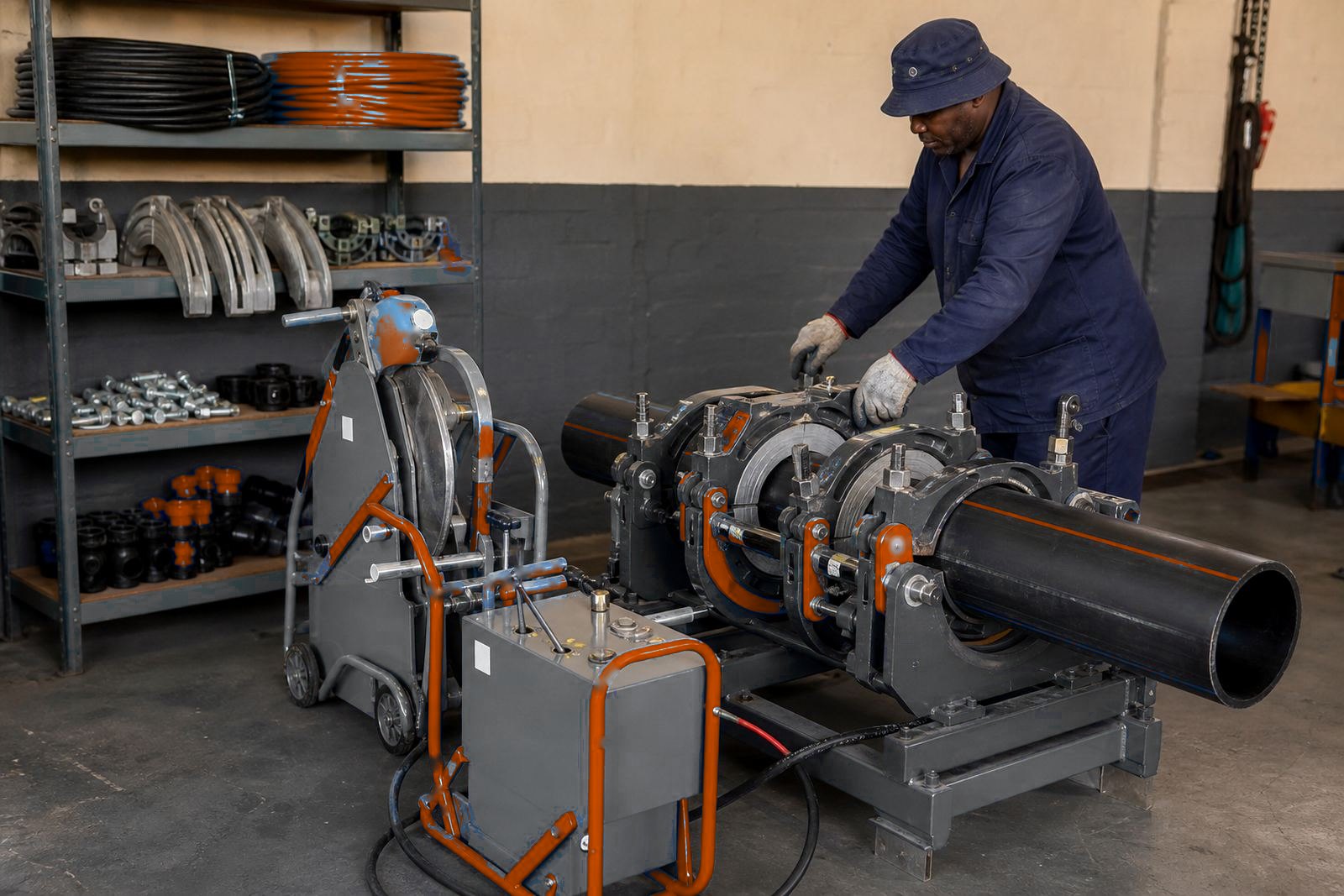
Wall thickness, SDR, diameter and site layout set the butt-fusion setup. Settings for 90 mm pipe and 355 mm pipe are far apart. Joint count, space and handling method decide which tool suits a site.
For many contracts, the first decision is whether the job needs a compact machine for smaller water runs or a heavier unit for long strings and pressure lines. Either way, the crew needs to read the pipe schedule, set out the clamps, and allow for facing, heating, changeover and cooling time without rushing the weld.
What the weld cycle asks from the operator
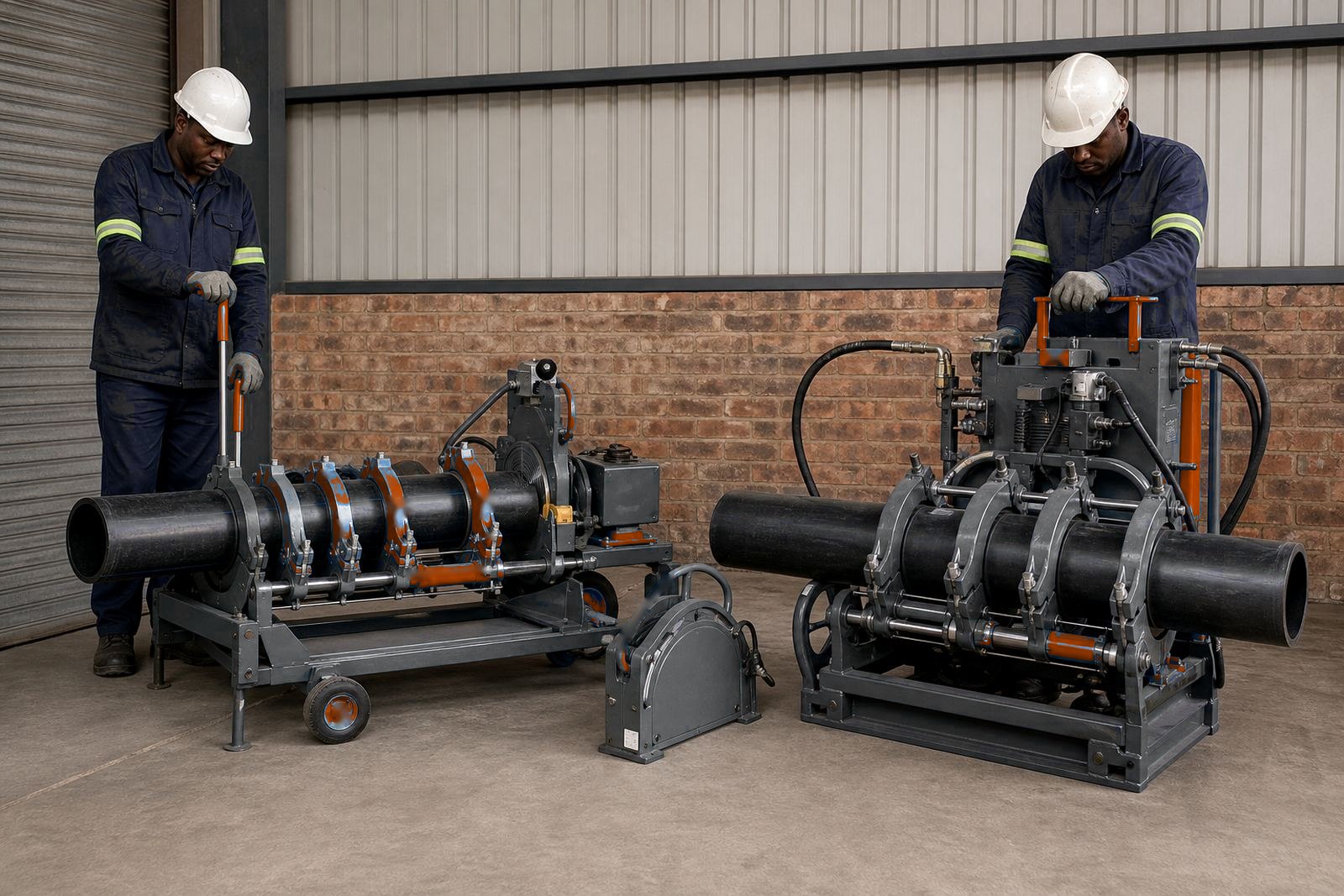
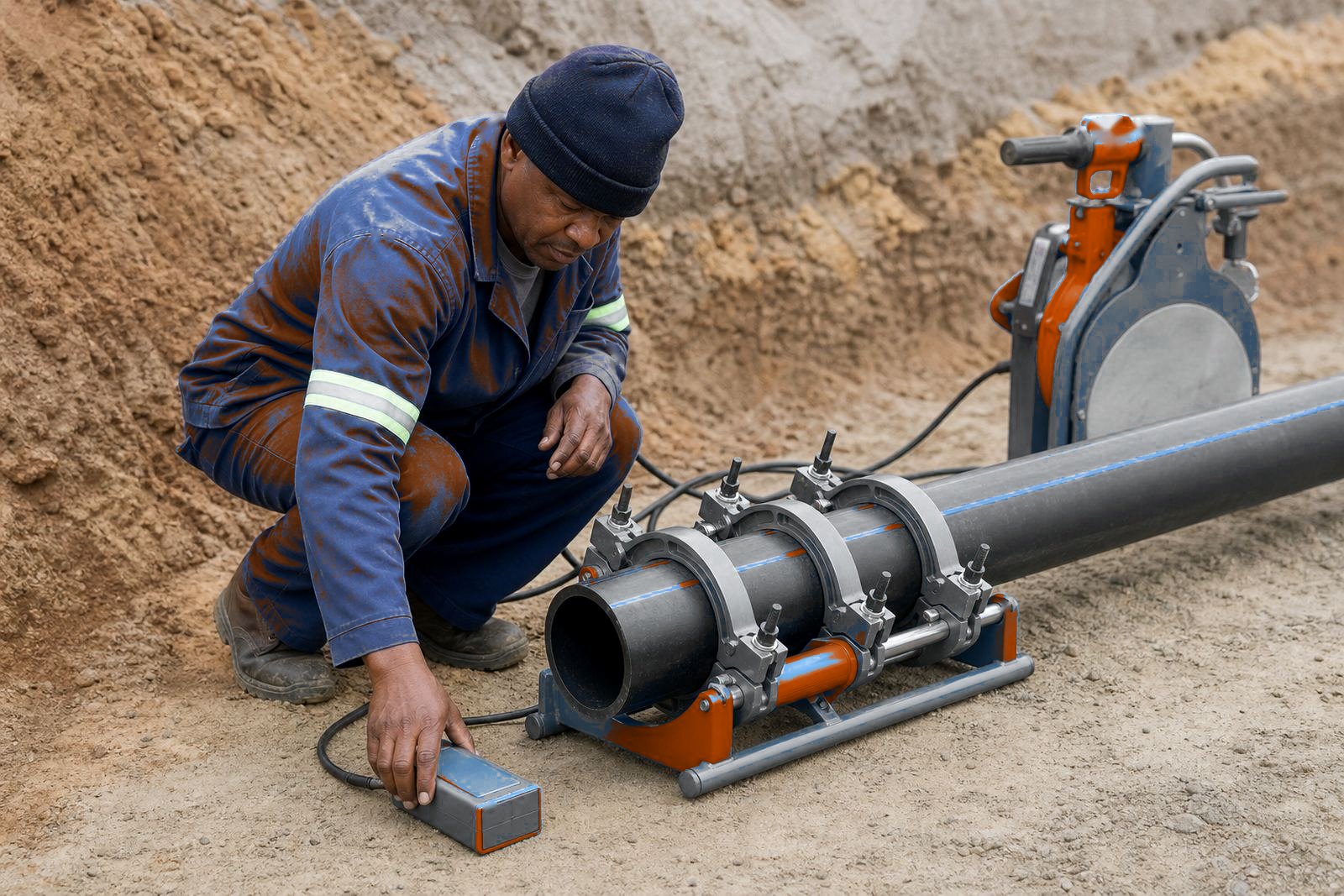
Every sound butt-fusion joint comes from a clean cycle. Heat soak must be controlled, the changeover needs steady hands, and fusion pressure has to stay consistent while the bead forms across the whole circumference.
- Facing should leave both ends flat and even
- Heat plates need clean surfaces and steady temperature
- Changeover time must stay short and controlled
Knowing the order of those steps helps site crews spot where a weak joint usually starts. Bead inspection, a look at squeeze-out and the small alignment faults that can spoil an otherwise neat weld all come into it.
Hire, purchase or add support to the fleet
Hire makes sense where the pipe sizes shift from job to job or where the crew needs extra capacity for a shutdown. Purchase suits teams with repeat welding work, steady maintenance and enough operators to keep the unit active.
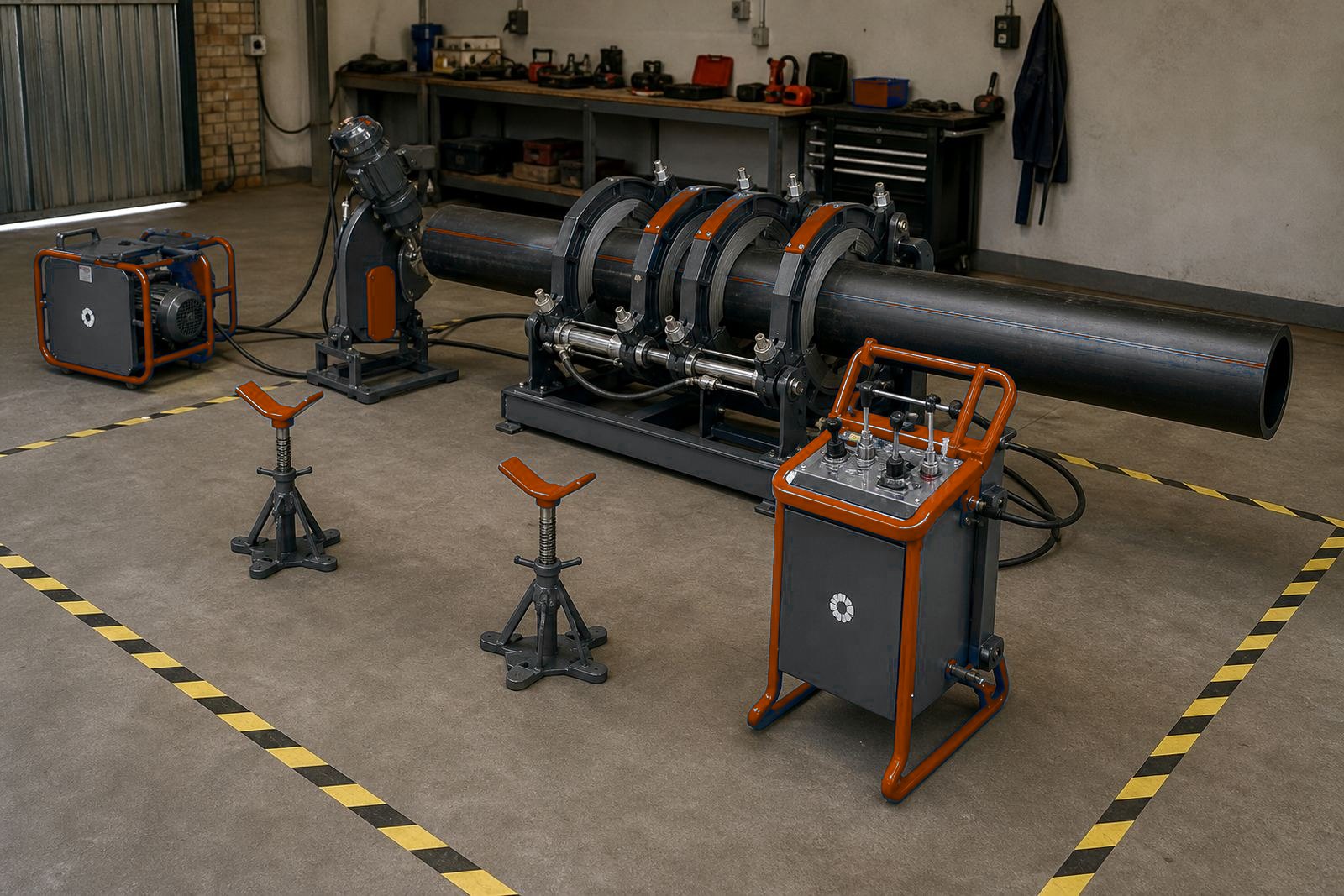
On a real job the practical points are transport weight, clamp range, plate size, hydraulic control, logging needs and whether the crew wants a unit that can travel between provinces. Extras include facing tools, clamps, log support and collection checks before the machine goes out.
- Short-term hire for one-off installations or shutdown work
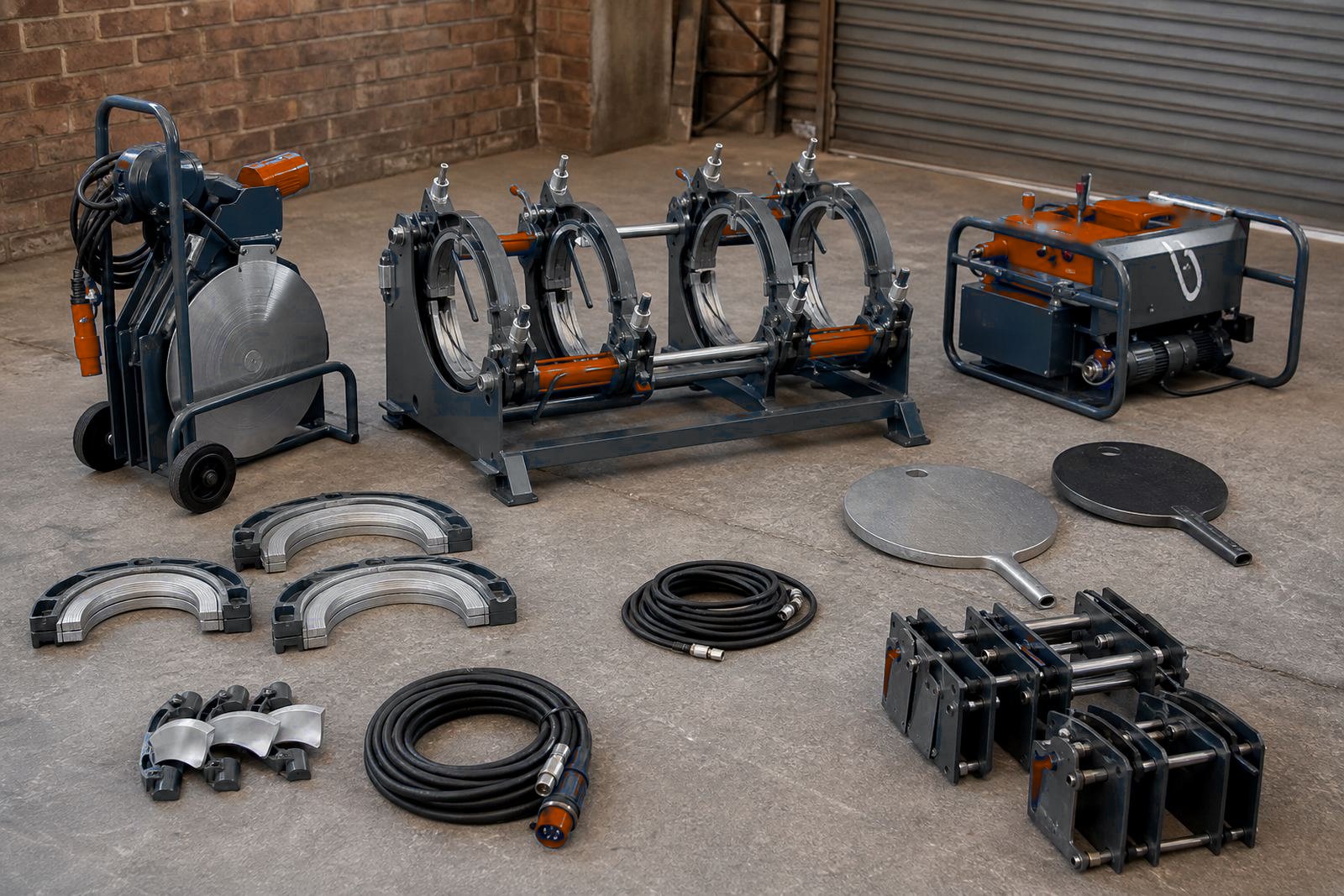
- Accessory kits for different diameters and site conditions
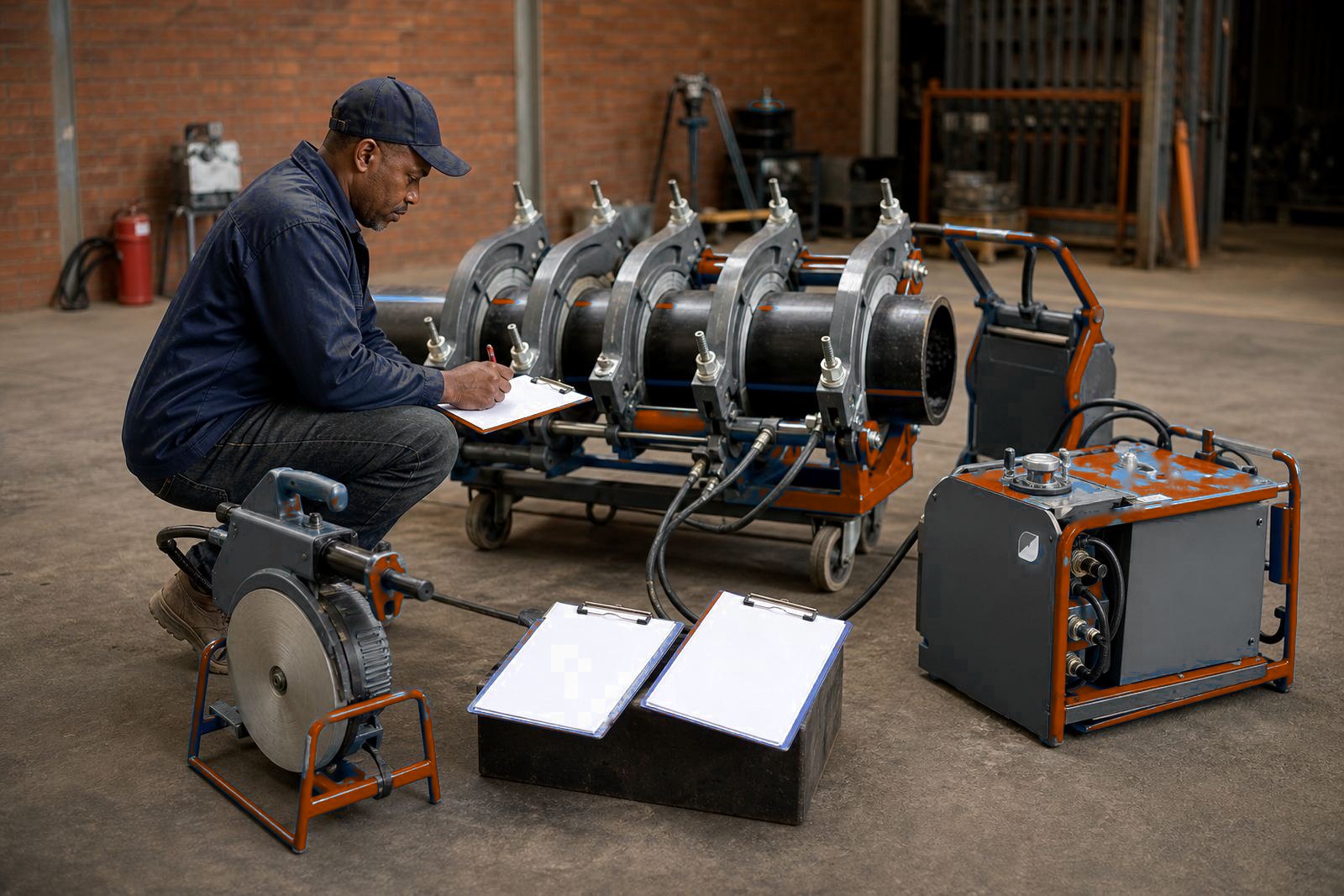
- Support for crews handling logged weld records
Accessories that change the day on site
Heater plates, facers, clamps and logging tools all affect how the team works, especially where the pipe is heavy or the trench is tight. A missing clamp insert or a worn heater plate slows the job and throws out alignment.
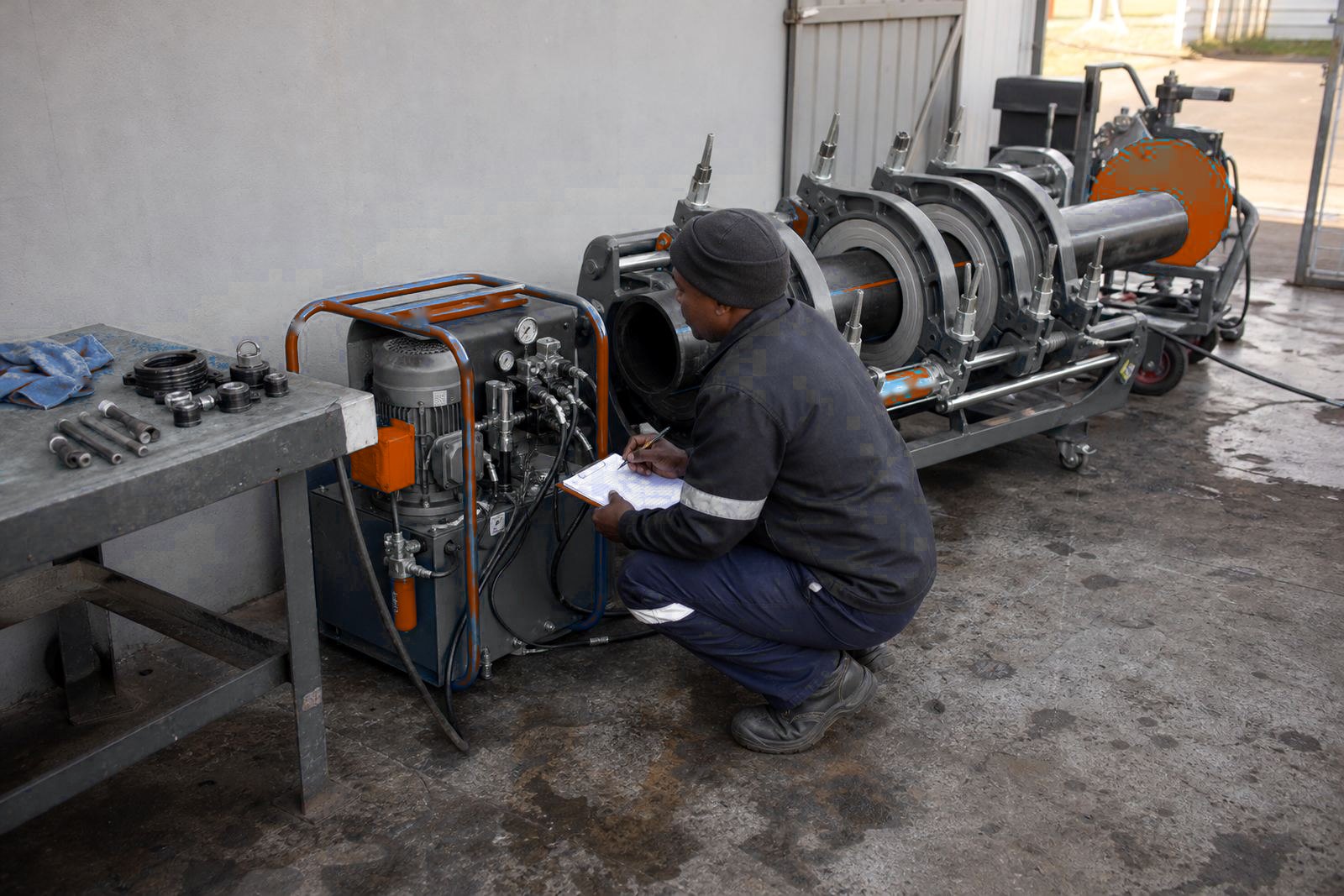
The smaller parts fit into the larger weld sequence. A machine may need a hydraulic pressure test before the next shift starts. Wet coastal air and dusty yards wear hoses and slides faster.
Training on the full weld method
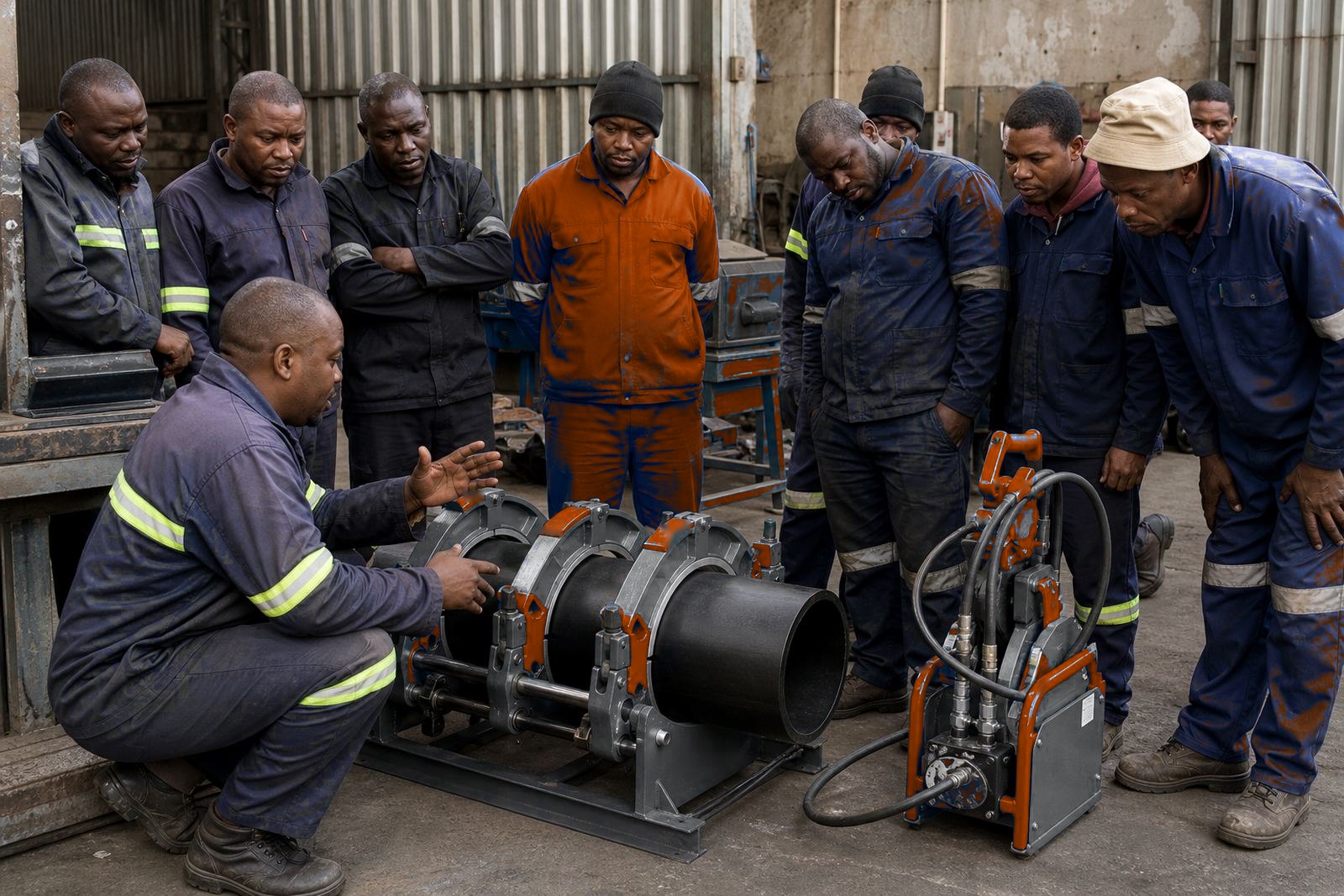
Even a strong machine can produce poor joints if the crew skips steps. Operator training helps teams understand pipe preparation, temperature control, fusion pressure, logging and the cooling stage. Book refresher training when a new foreman joins the team or when the crew moves from smaller municipal lines to larger diameter pipe.
Training sticks to site work: how to line up the pipe, read the bead, record the weld and keep the facing cut clean. Site startup help sets out the first few joints before production starts.
Servicing notes for machines that work hard
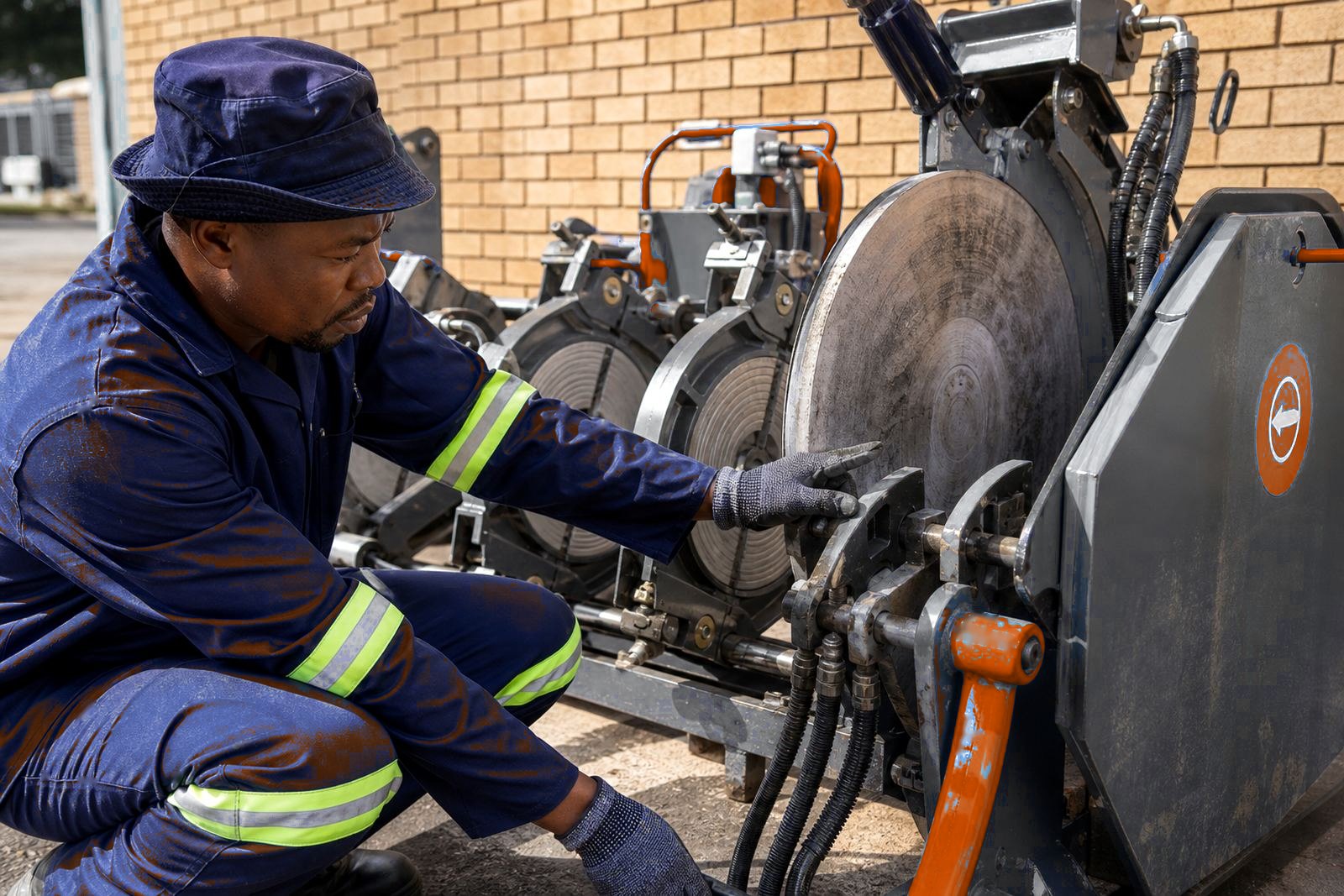
Servicing keeps the equipment ready for the next run and reduces avoidable stoppages. Machines that travel between sites need regular hydraulic, clamp and plate checks. Facer blades, seals and pressure controls deserve attention before they become a problem on site.
The facer and clamps need a wear check at the end of each week on mine sites.
Planning the kit for a live project
Look up your machine size first, then the pipe range and weld method. After that, decide whether the machine should be hired or bought. That order helps buyers and site teams avoid paying for features they will not use while still leaving room for the extras that make the job cleaner.