Pipe diameter first, machine size second
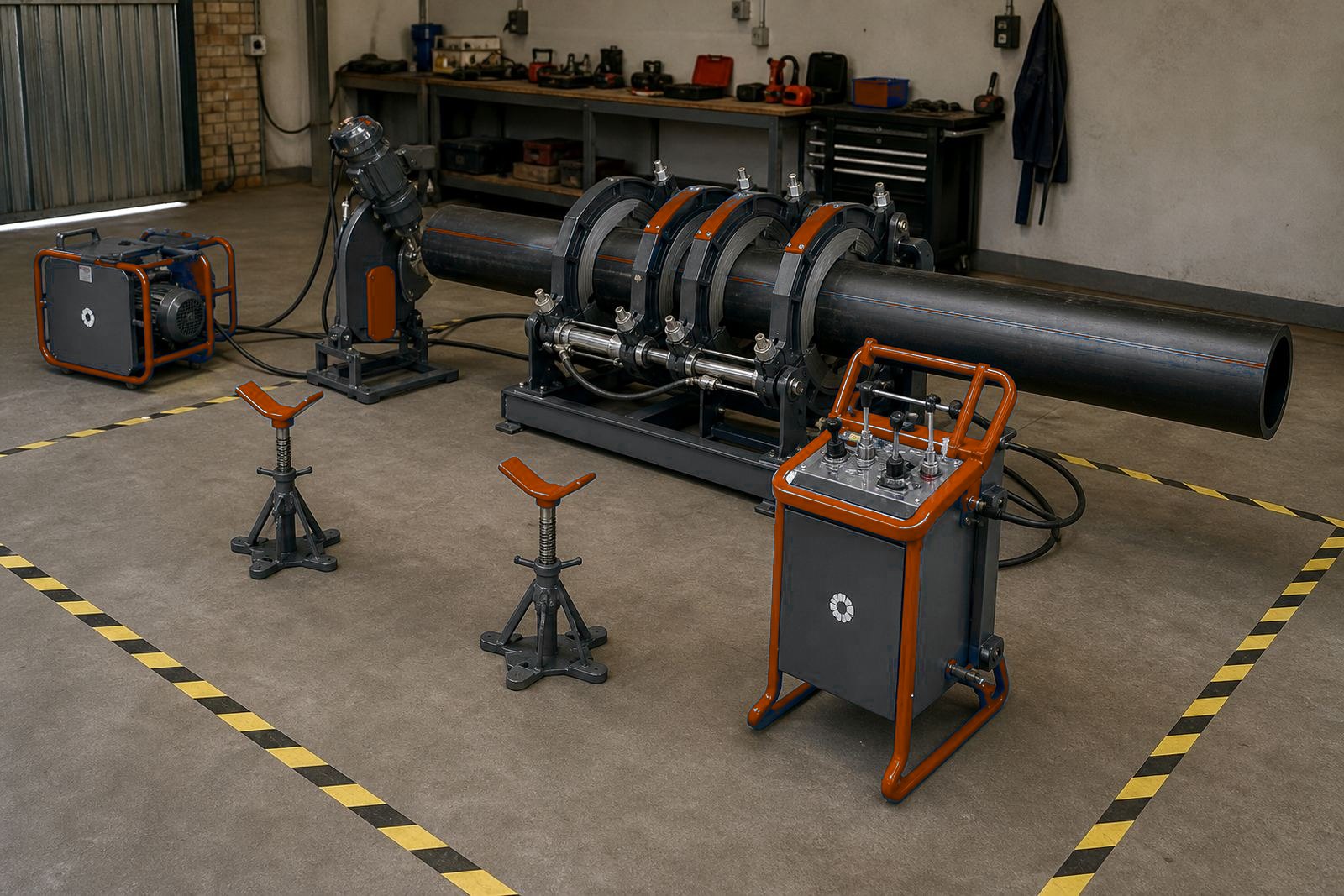
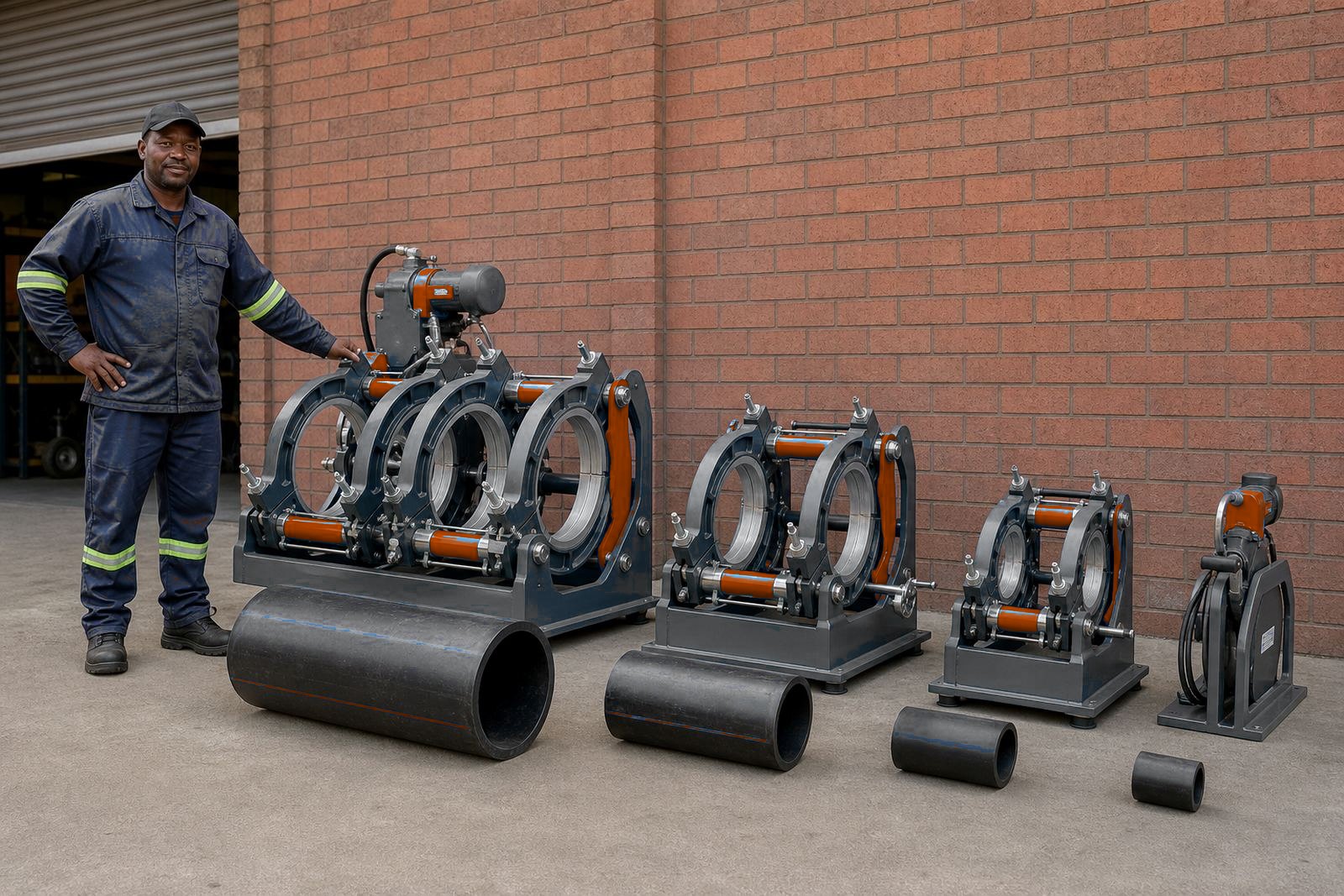
Machine size is chosen from the pipe on the drawing and the actual pipe on the yard. Carriage, jaws and plate needs for 63 mm pipe differ from a frame set up for 315 mm, 450 mm or larger. Choose a machine that holds the pipe squarely, faces the ends cleanly and keeps steady force on the joint until it has cooled.
For smaller work, a lighter machine can be the better fit if your team is joining short runs, repairs and branch lines. A heavier frame with stronger clamping and better alignment control makes day-to-day work steadier on longer site runs. Machine size is chosen from diameter, wall thickness and trench access as well as the nominal size.
- Check the smallest and largest pipe sizes in the job pack.
- Allow for fittings as well as straight pipe.
- Measure the site access around the trench.
- Match the carriage strength to the pipe and clamp load.
SDR changes the wall, and the wall changes the machine need
SDR tells you how the pipe wall sits against its outside diameter. A lower SDR means a thicker wall and usually a heavier, harder joint to manage. That affects heater plate size, required clamp pressure and how much force is needed during fusion. A machine sized only by diameter can fall short when the wall gets thicker.
When we look at a job, we check the size range together with the SDR range. A machine that handles one diameter across a narrow SDR band may be fine for repeated utility work. Mixed SDR work calls for more flexibility in clamp spacing, pressure control and carriage movement. If your crews work across a wide range of pipe sizes, the machine choice should cope without forcing awkward set-ups.
- List the SDR values used on the project.
- Note the thickest wall the machine must handle.
What the fusion cycle asks of the machine
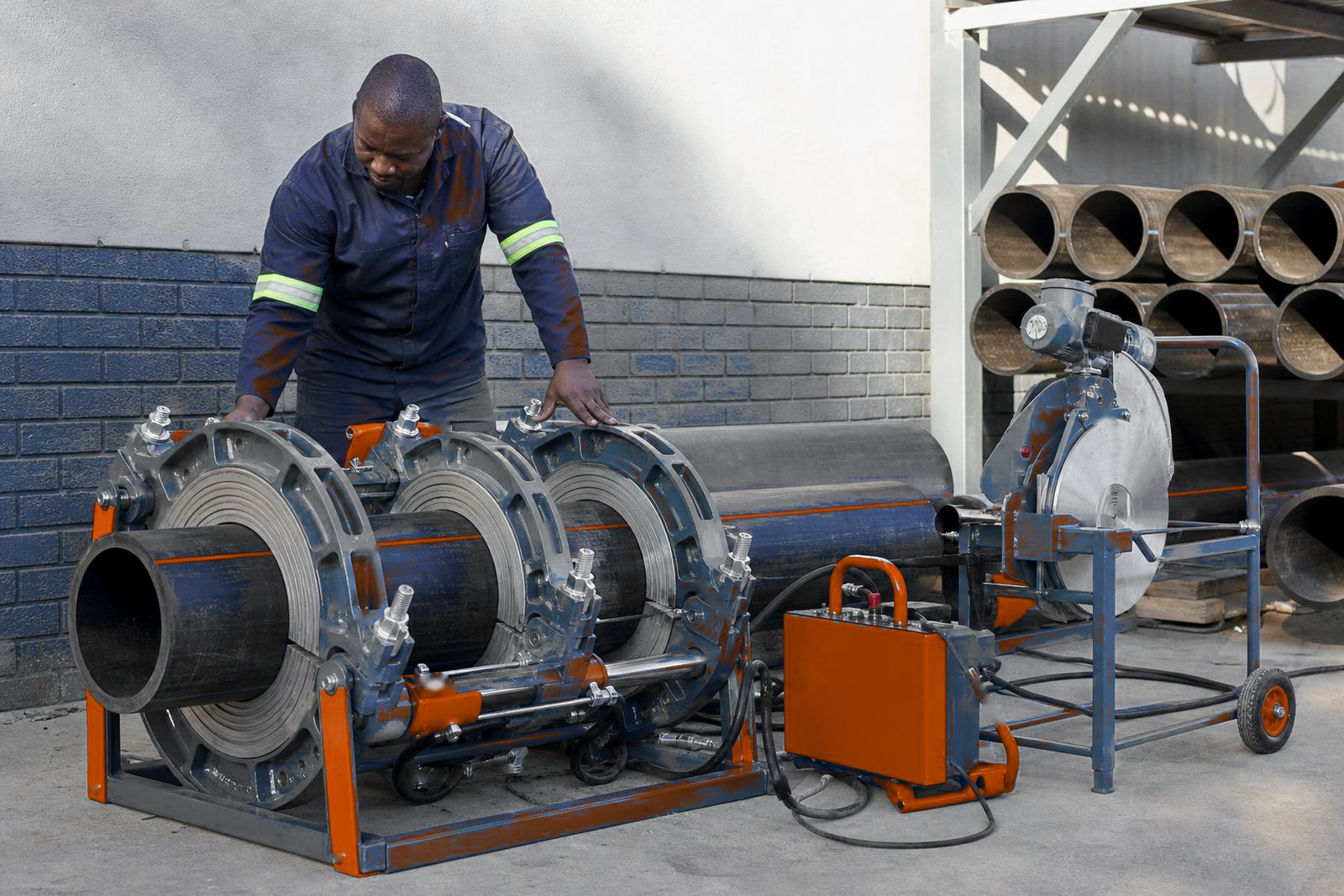
The heater plate brings both ends to the correct melt condition. The plate is removed during changeover, then the ends are brought together under controlled fusion pressure.
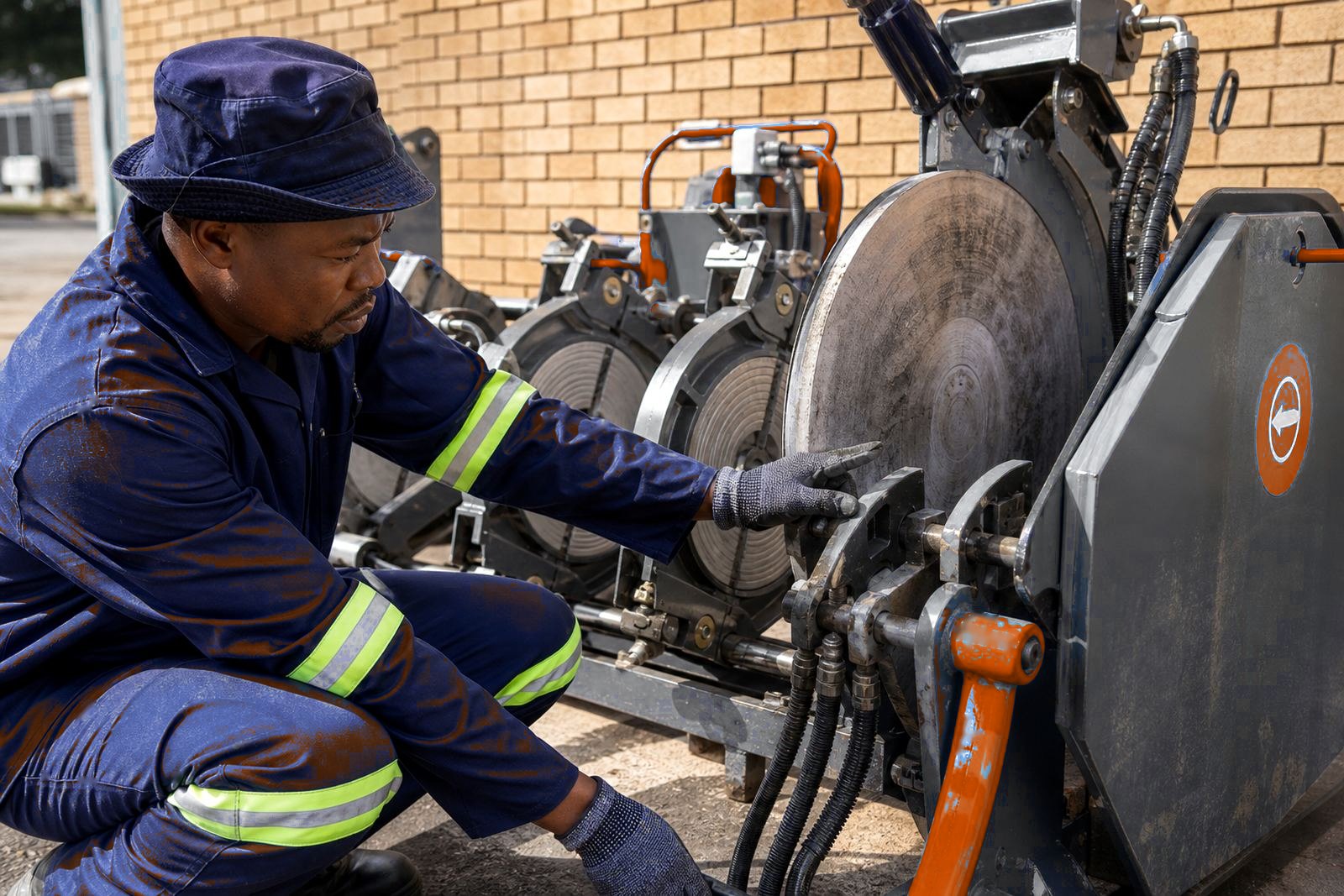
During that cycle the machine has to do several things at once. The facer must remove a clean, even shave. The heater plate must heat evenly across the face. The hydraulic or manual system must hold the right pressure without drifting. If the pressure control drifts, the bead comes out uneven, so check bead form and squeeze-out after every weld.
Traceable jobs use logging for temperature, pressure, heating, changeover and cooling times. It is easier to check a weld later when the machine has captured the numbers at the point of work.
Practical machine sizes for different job types
There is no one machine that suits every crew. Short repairs, long water mains and repeated production runs each suit a different frame size. Some teams need portability more than size. Others need a machine that stays set up in one place and handles larger diameter pipe all week.
Use the work pattern as your guide. A compact unit can suit maintenance teams and smaller diameter pipe where lifts are light and access is tight. Mid-range machines are often the daily workhorse for contractors who move between housing and reticulation work. Larger machines suit bigger diameters, thicker walls and joints that need stronger clamping and more stable alignment.
- Maintenance crews often need faster set-up and easy loading.
- A wider size range and stronger alignment are usually needed on civil work.
- Long runs call for a machine that keeps repeatability across many welds.
Do a quick site check before you settle on size
Check the machine against the site before booking it. Check the ground conditions, trench width, power access where relevant and the space available for pipe handling. A large frame is no use if the pipe cannot be lifted, aligned and fed in without strain. Coastal humidity, dust and site dirt affect heater plates, jaws and slide bars, so regular cleaning is needed.
Think through who will operate the machine. If the same crew handles several kinds of work, the controls should be clear enough for consistent use. If different teams will share the unit, agree on marking, clamp checks and logging before the first handover. A sensible machine size is one that fits the pipe, the crew and the site routine together.
- Check access for loading, unloading and transport.
- Review how the machine will be cleaned and checked after use.
When the support plan should shape the choice
Sometimes the machine size question is tied to the rest of the job. If a crew only needs a machine for a short run, hire can make sense, but the size must still match the pipe and the weld pattern. Jobs that grow into larger diameters later can hire a unit with the carriage and clamp range for every stage.
Regular servicing keeps the machine consistent. Each service item, from the heater plate to the hydraulics, affects how the machine behaves. A machine that is the right size but poorly maintained will not hold the standard you want on the joint. Training also changes the choice because a crew that understands facing, fusion pressure, cooling time and bead inspection can use the equipment more confidently.
Our team can check a shortlist against the pipe sizes you weld most.