Weld records that match the joint on site
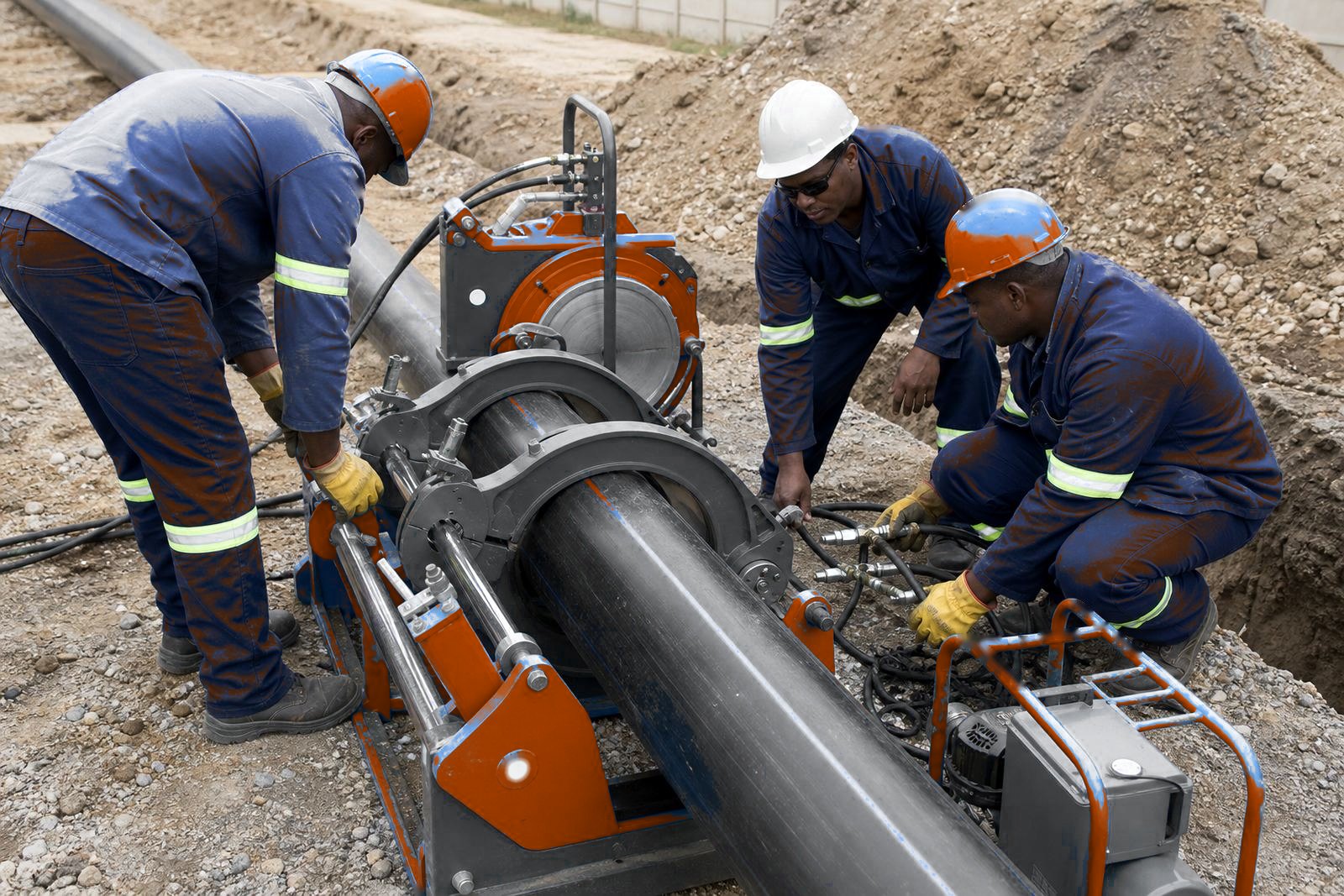
Weld logging help gathers the data at the clamp line, including pipe size, SDR, material description, fuse number, heater plate setting, changeover timing, fusion pressure and cooling time. A record helps when a line runs through long trench sections, a pump station tie-in, or a plant yard where several crews share the same machine.
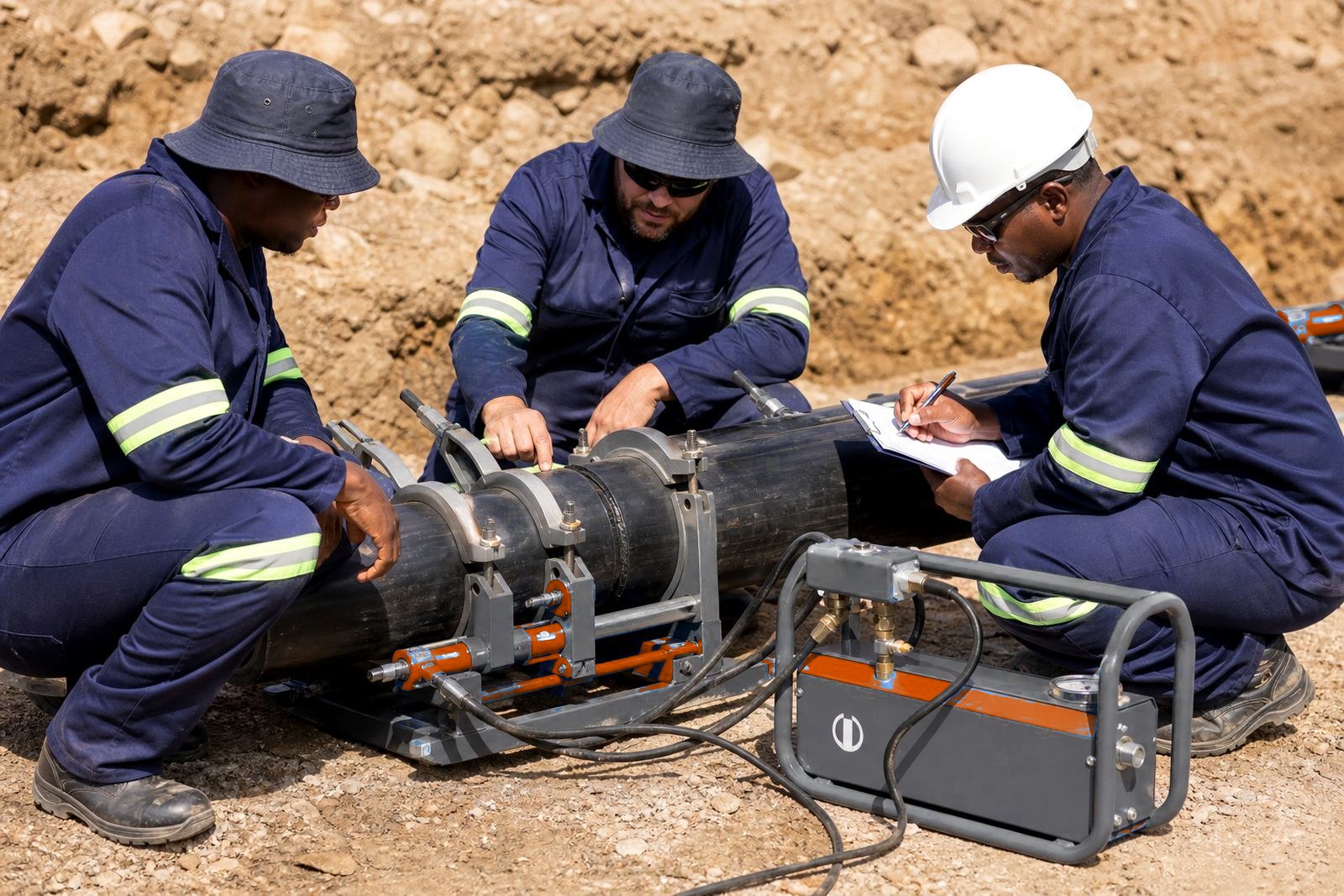
Weld cycle details are captured in a format a site engineer can read at handover. A log that shows facing, heating, changeover and pressure steps gives the supervisor a cleaner picture of the joint, and it helps the crew compare one weld with the next when conditions shift through the day.
- Pipe diameter and SDR capture
- Joint number, date and location reference
- Fusion pressure and bead check notes
- Cooling time and release note field
What the logging support covers
Our support is aimed at crews that already know the welding sequence and need a stronger record system around it. We can set up job sheets for hand-written logging, digital capture on site, or a mixed method where the operator writes the joint data and the site team files it later. One record format keeps the information consistent across different operators and different sections of the same line.
Weld logs on larger jobs often need a little more structure. That may include numbering by chainage, separating new line runs from tie-ins, or keeping separate sheets for machine checks and completed welds. Our team can set up the logger, then show the crew how to read, name and file the output.
- Site log templates for HDPE butt-fusion work
- Digital file naming and folder structure
- Joint trace sheets for long pipe runs
- Cycle data review for operator records
How the logging process is handled
We usually begin by reviewing the job layout, the pipe sizes on site and the recording method already in use. From there we sort the log fields most important for the job. On smaller plumbing work that may be a plain sheet with joint number, size, SDR and operator initials. On larger water projects the log often needs more fields, more control points and a cleaner handover pack.
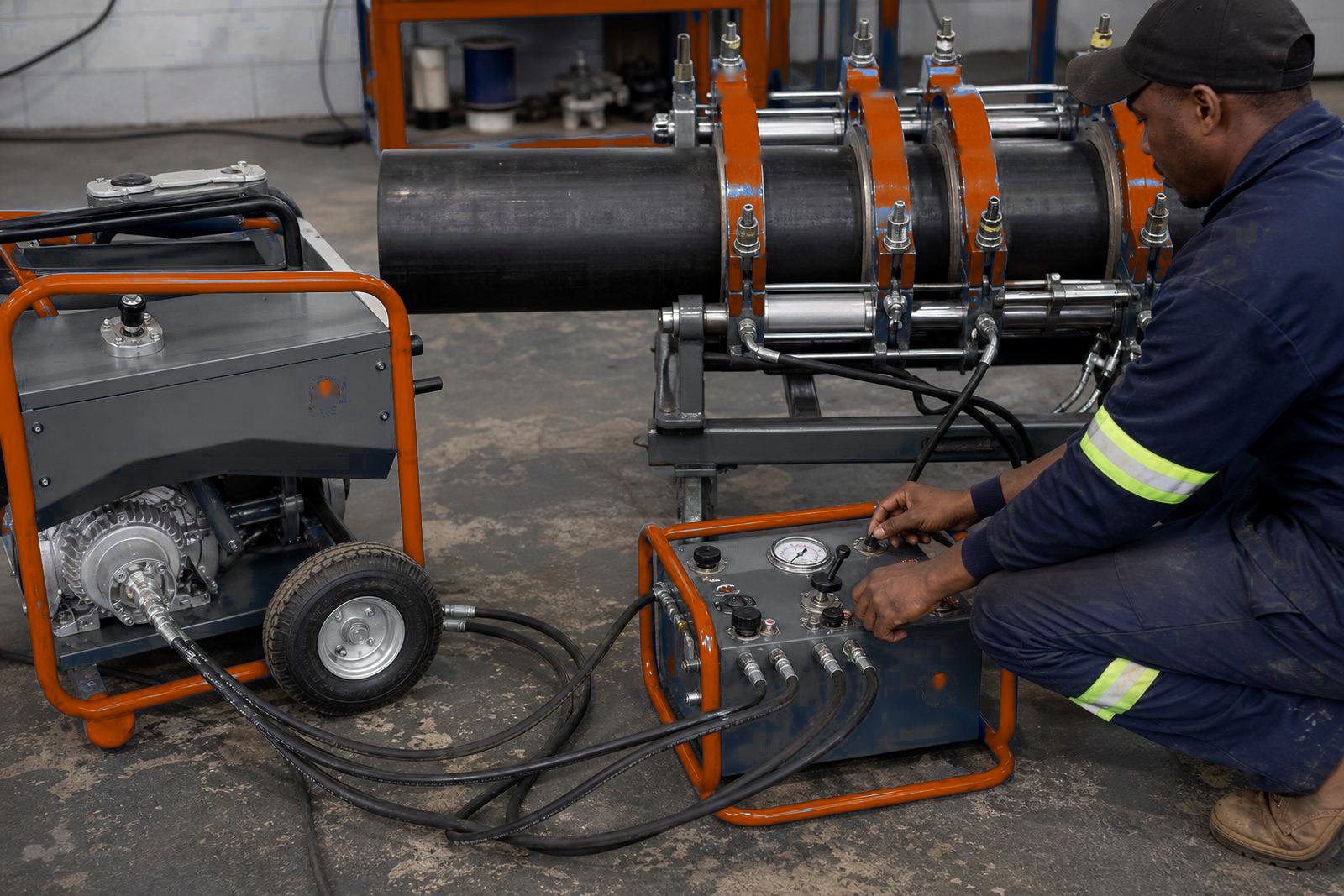
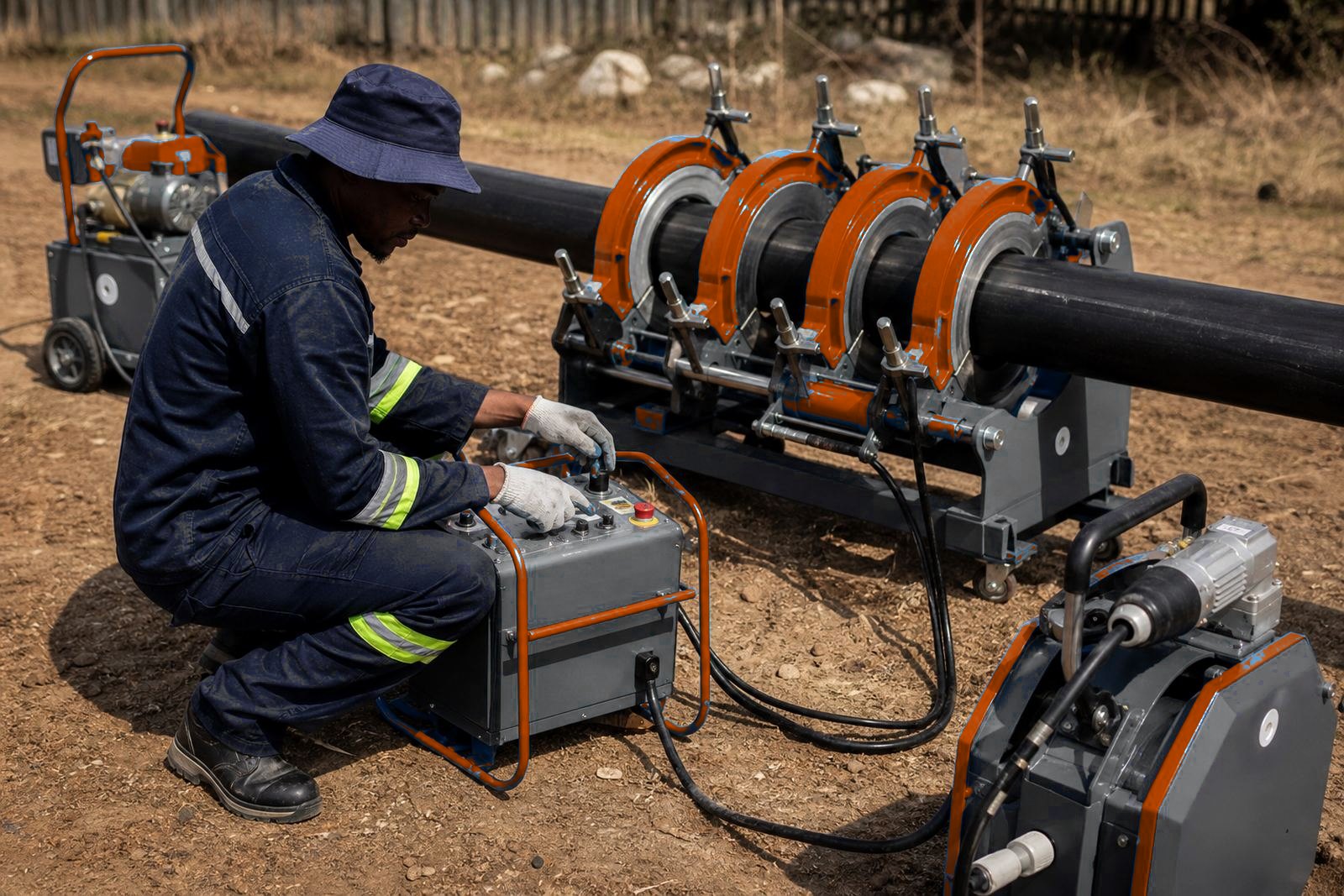
The process also includes a check on the machine output where needed. On units with data logging, we check with the crew that each weld record is linked to the correct joint and job section. If the team is writing by hand, we help them keep the sequence readable and complete, with enough detail for a supervisor to inspect later.
There is also room to note issues around bead appearance, pressure drift, or an interrupted cycle. Those comments go with the joint to inspection after cooling, so the crew has a record of what happened at the clamp line.
Typical pipe data and weld details
Log sheets work best when they suit the welding task in front of the crew. We set up records for common HDPE pipe diameters used on South African sites, from smaller service lines to larger mains, and we adapt the fields to the SDR being welded. The logs can also be arranged for butt-fusion work where each joint calls for accurate facing, controlled heating, changeover, pressure and cooling before release.
Those numbers let the same machine work across different pipe walls and joint conditions. A neat log lets the team compare one weld to the next. Several shifts run more smoothly when the next crew can see what was fused, what was checked and what still needs attention.
- Pipe sizes commonly logged from 63 mm upward
- SDR references for wall thickness control
- Bead inspection remarks after cooling
Turnaround on log setup and site support
Some jobs only need a fresh log sheet pack and a quick format check before work starts. Others need field support on site, especially where the crew is running a long line and wants the records cleaned up during the job. We handle both. For hire fleet units, logging support can be bundled with machine handover so the operator gets a better record structure from the start.
We keep weld records short and practical. The logging setup is kept clear enough for the operator, the supervisor and the client file. That reduces confusion when the joint list is checked at the end of the shift.
We name and sort printer or file-export records with the crew. For manual notes, we standardise the sheet so that the same fields appear each time.
Pricing approach for log support
We price log support on the setup, the job size and whether it covers one machine, a fleet or a full project file. A basic logging pack costs less than a full site startup session with machine output review and job folder setup. If the crew needs help across several sites, the scope is usually set by the number of welders, the range of pipe sizes and the level of record keeping needed for the contract.
The quote lists only the logging work the job needs. Possible support includes log template preparation, on-site guidance, data file sorting, or a handover pack linking weld records to machine checks and joint notes.
Aftercare is practical. If the crew needs the sheet adjusted after the first run, or the file layout changed for a different line section, we can help refine it so the records stay usable on the next job.
Aftercare that keeps the file usable
Good weld logs stay readable when the project manager, site agent or quality file clerk opens them later. We help the team keep the records organised, with a clean joint sequence, clear operator notes and enough detail for bead inspection and pressure review. If a sheet is getting crowded, we rework the layout so the next batch of welds can be entered without confusion.
When a job uses several crews, the filing system can become messy very quickly. Our aftercare support helps sort that out. We can show the team how to separate live sheets from completed logs, how to label machine checks, and how to keep the final job pack in the right order. The records stay on file after the trench is backfilled.
- File layout for live and completed weld sheets
- Handover pack sorting for supervisors
- Readable records for joint inspection
- Log format updates for future pipe runs
Key facts
| Service type | Weld logging help for HDPE butt-fusion jobs |
|---|---|
| Pipe range | Common site sizes from 63 mm upward |
| Logging method | Handwritten sheets, digital logs, or mixed records |
| Weld details captured | Facing, heating, changeover, fusion pressure, cooling time |
| Project use | Contractors who hand over joint records |