Wall thickness sets heating time and pressure
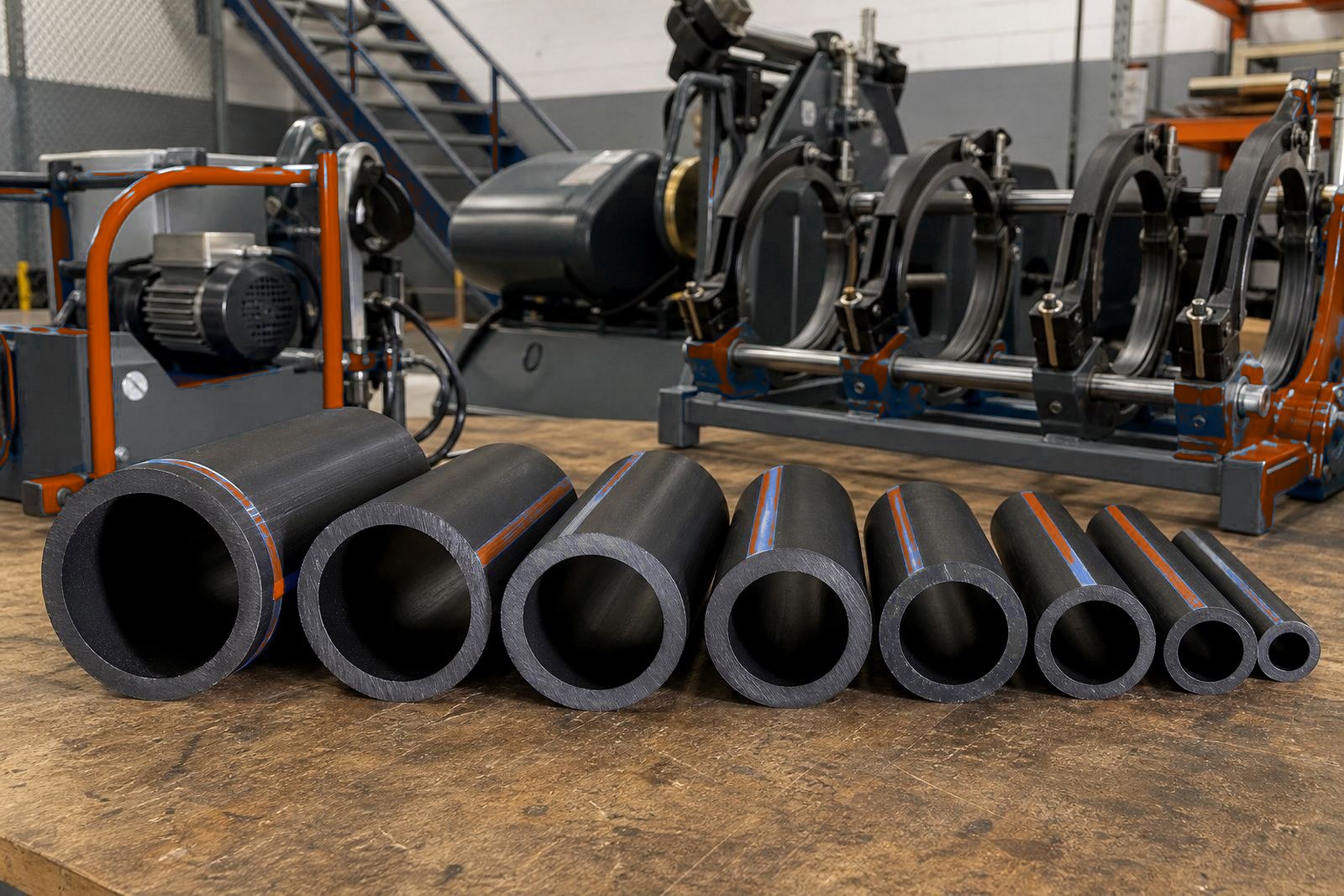
For a 160 mm line, one SDR value gives very different results from the same diameter in a thicker wall, because the pipe wall controls how much heat is needed and how much pressure the joint can take during fusion and cool-down.
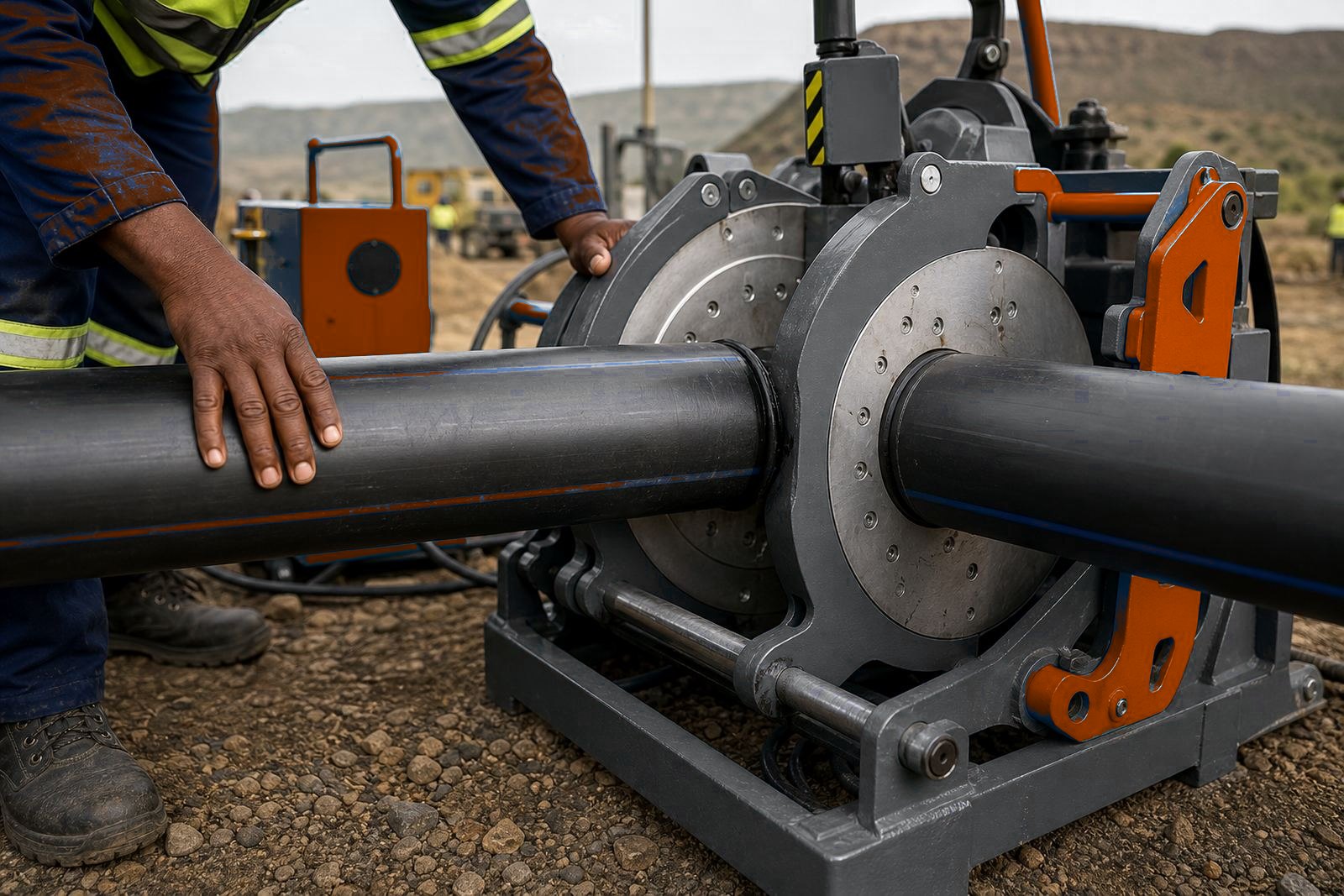
On site, crews should look at the SDR marked on the pipe and match it to the machine, clamps and fusion chart being used. If the wall is thin, the pipe edge can distort more easily under heat. If it is thick, the heating stage takes longer and the operator must keep the alignment tight or the bead can pull off centre.
- Confirm the outside diameter and SDR before loading the pipe
- Check that the pipe ends sit true in the clamps
- Allow for thicker walls to need longer heating and cooling periods
Surface condition sets how clean the fusion face can be
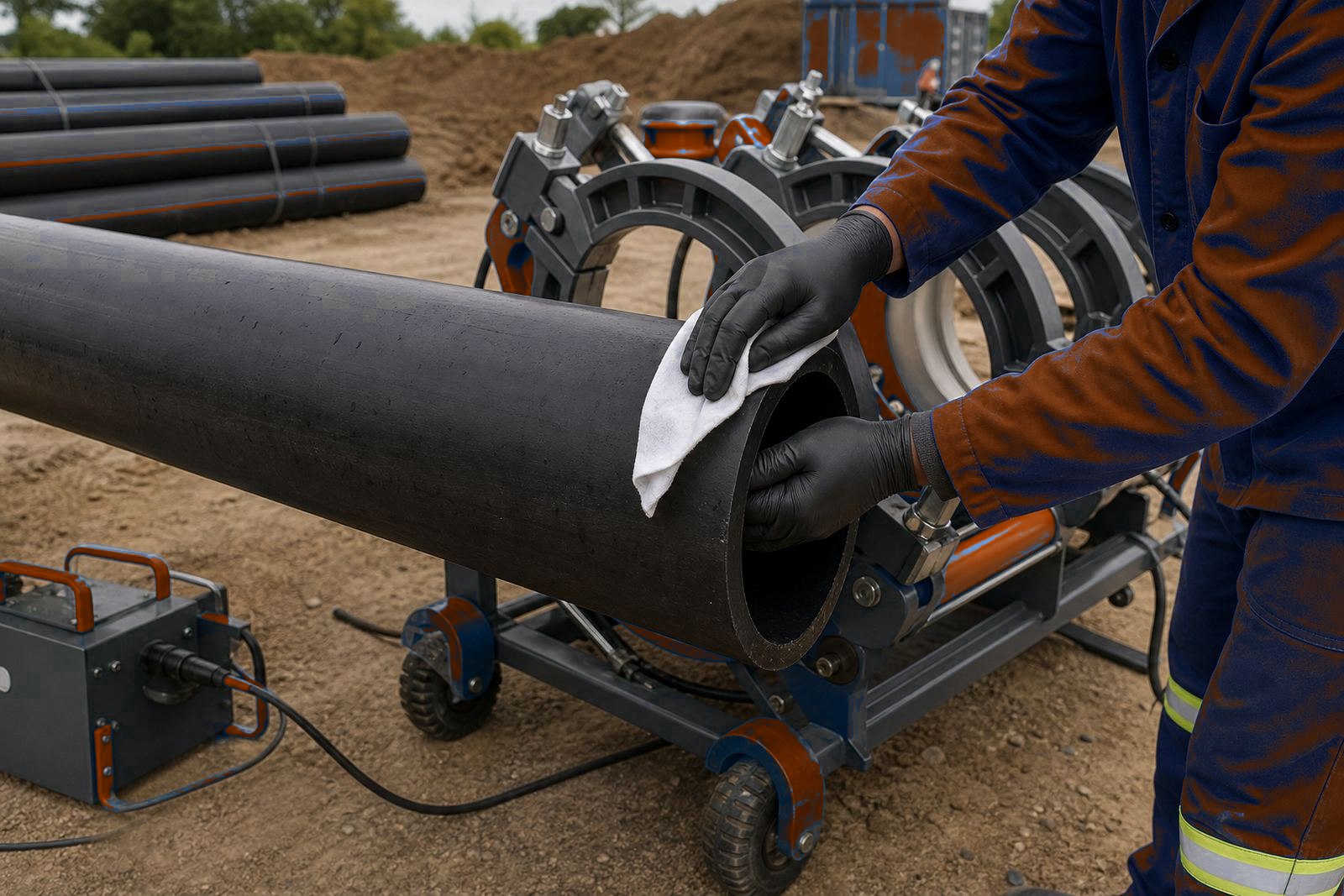
HDPE picks up dust, grit and moisture very easily on a mine yard or at a coastal depot. Any dirt left on the pipe face can be dragged into the joint when the facer cuts, and a small line of contamination can spoil an otherwise neat weld.
Crews should keep the pipe ends dry and cover them where wind carries sand or fine soil. In Durban, humidity can leave a slight film on stored pipe by early morning, while in Polokwane dust can settle fast after movement on site. Handle the material properly before the machine even starts.
- Wipe loose dirt before clamping the pipe
- Inspect the cut face after facing for clean, even shaving
Facing, heating and changeover need steady hands
The facing tool is there to square the ends and remove a thin layer from each side. Oval, damaged or badly cut pipe needs the facer to remove enough material for a flat mating surface. A rough or angled face can leave one side hotter than the other.
After facing, the heater plate must sit clean and at the right working temperature. Then the heater is removed, the pipe ends are brought together during the changeover window and fusion pressure is applied without delay. Too slow and the melt skin starts to cool. Too hard and the molten zone can squeeze out unevenly.
- Watch for equal melt bead formation on both ends
- Make the changeover smooth, steady and without twisting
Bead shape
A lifted edge, a thin side, or a bead that leans to one direction can point to poor alignment, uneven heating or pressure that changed during the weld cycle.
Bead inspection checks appearance and joint quality. The pipe near the joint should keep a consistent shape, with no obvious gaps, blackened marks or sudden flattening. Large pipe may need longer cooling before the line is disturbed. Moving it too early can weaken the joint before the internal melt has settled.
- Check that the bead is even all around the joint
- Look for a bead that rolls back evenly to the pipe surface
Data logging for jobs that need records later
Many water jobs need a clear weld record. Logs keep heating temperature, fusion pressure, timing and operator details together so a joint can be traced if the line is tested.
For long reticulation runs, the record can show which pipe size, SDR and weld cycle were used. Johannesburg road reserves and long sections through remote sites in the Northern Cape need the same care when the line runs through them.
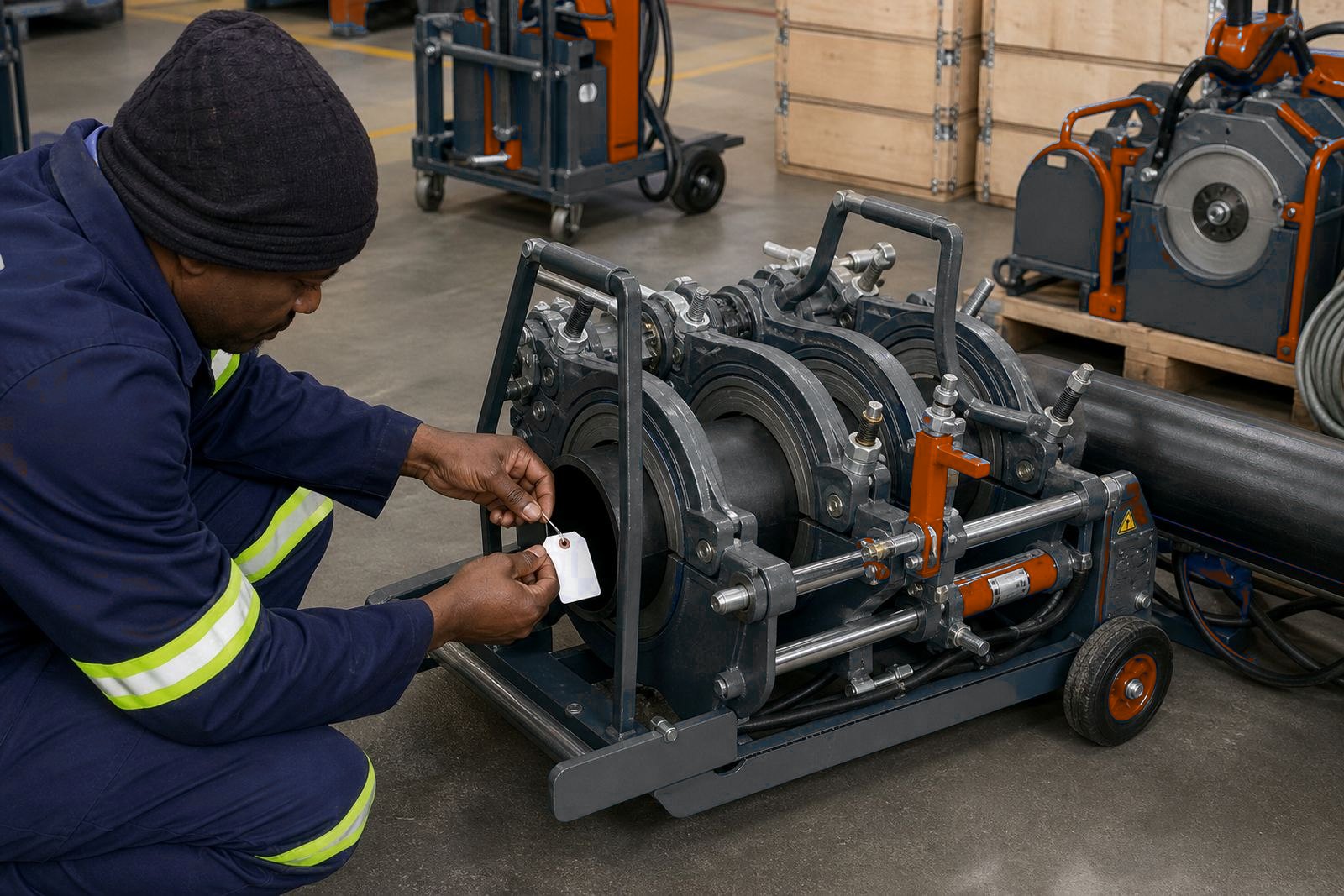
- Capture pipe diameter, SDR and joint number
- Record fusion pressure and cooling time
- Keep notes on operator, date and location
Yard pressure and pipe handling
A contractor collecting pipe for a trench in Rustenburg may have 110 mm, 160 mm and 225 mm sections on the same truck. Loading mixed SDR pipe without checking can give clamps that fit and a heat cycle that does not. The operator then uses the right settings for each wall thickness along the line.
Training and a proper pre-start check help there. Questions from crews usually cover alignment, storage, scraping, heater condition and cooling before pressure testing. HDPE still needs clean pipe, steady pressure and a careful check of the bead.
- Separate pipe sizes before welding starts
- Set the machine for the correct SDR and diameter
- Use the same inspection steps on every joint