Polokwane jobs that need proper fusion control
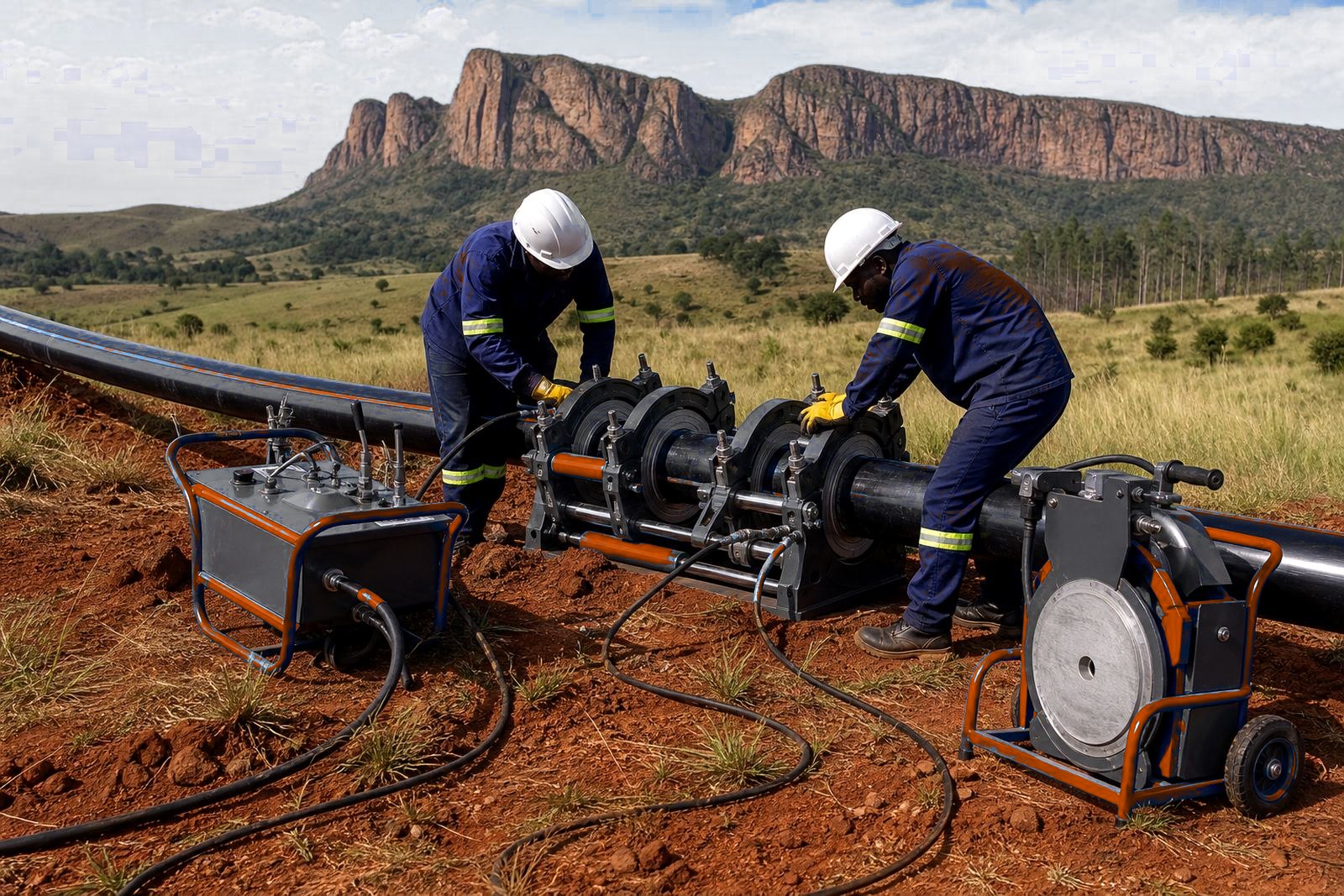
Polokwane contractors weld water reticulation lines where HDPE joints must hold true along long alignments.
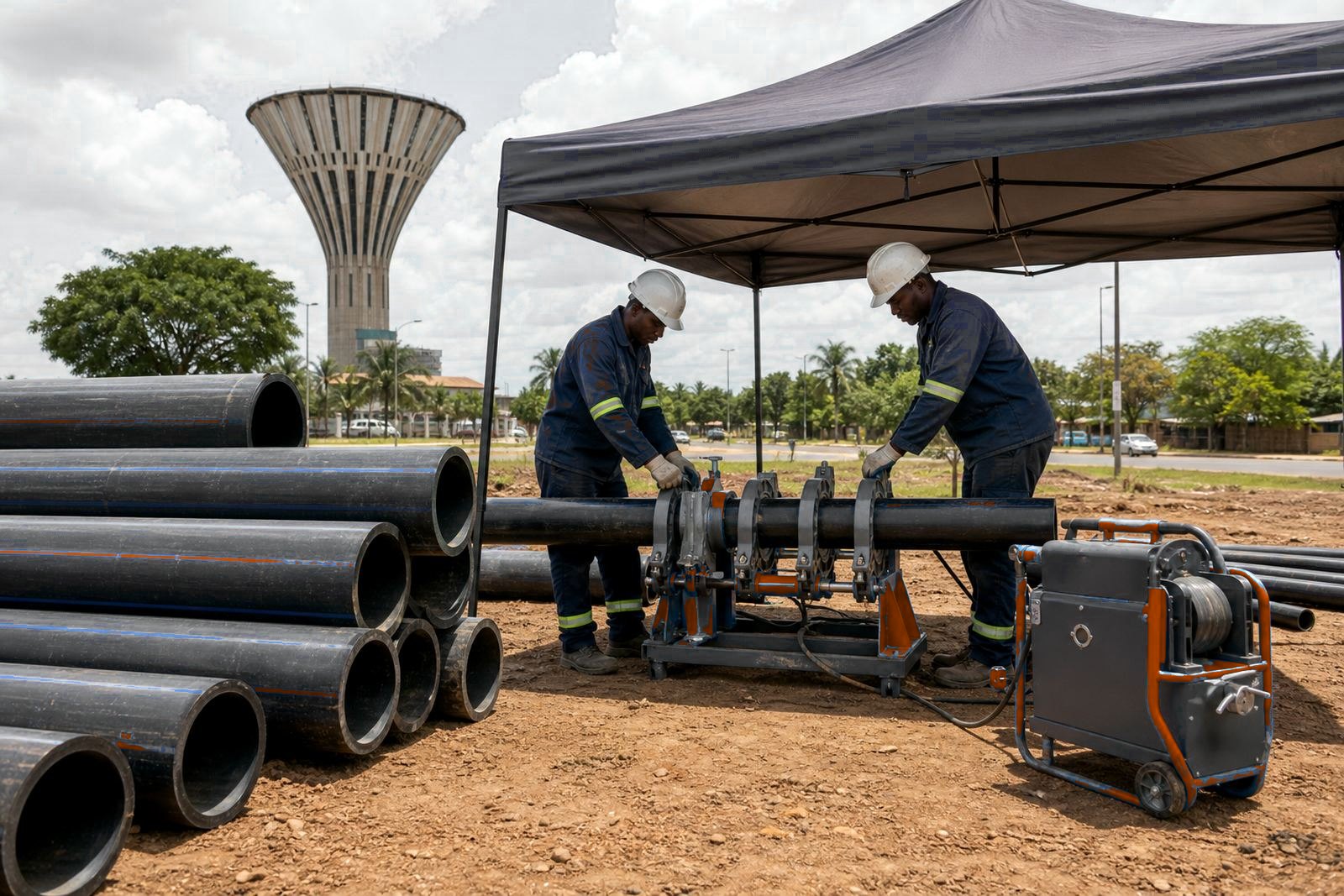
We support work with HDPE pipe sizes commonly used across the region, from smaller site runs through to larger diameter lines, with attention to SDR selection, wall thickness and the heat soak needed for each job. The practical side is checked as well: the bead needs to look right, the alignment has to stay steady and the weld record must make sense when the job is handed over.
- Facing tools, heater plates and clamps for pipe alignment
- Guidance on bead inspection, weld logs and job records
How we cover Polokwane and the surrounding area
Our Polokwane Support serves the city, nearby industrial areas and project sites that stretch across the wider Limpopo region. A single machine on hire for one job is a common Polokwane request. Site travel is planned around the workday, so teams get the equipment they need and avoid avoidable delays that cost a shift.
Conditions in and around Polokwane can be dry, dusty and hard on moving parts, seals and sliding faces. On water jobs near open ground, dust on the pipe ends can affect the face and the fusion step, while outdoor storage puts extra strain on heater plates, cables and hydraulic components. We assess the complete setup, including the machine body, clamps, heater plate and hydraulics, for crews in Polokwane and nearby civil construction zones.
- Polokwane and the towns around it
- Farm pipe work outside the main urban area
- Plant side pipework and support lines at mines
- Road reserve and service corridor installations
Machines, tools and hire kit we keep moving
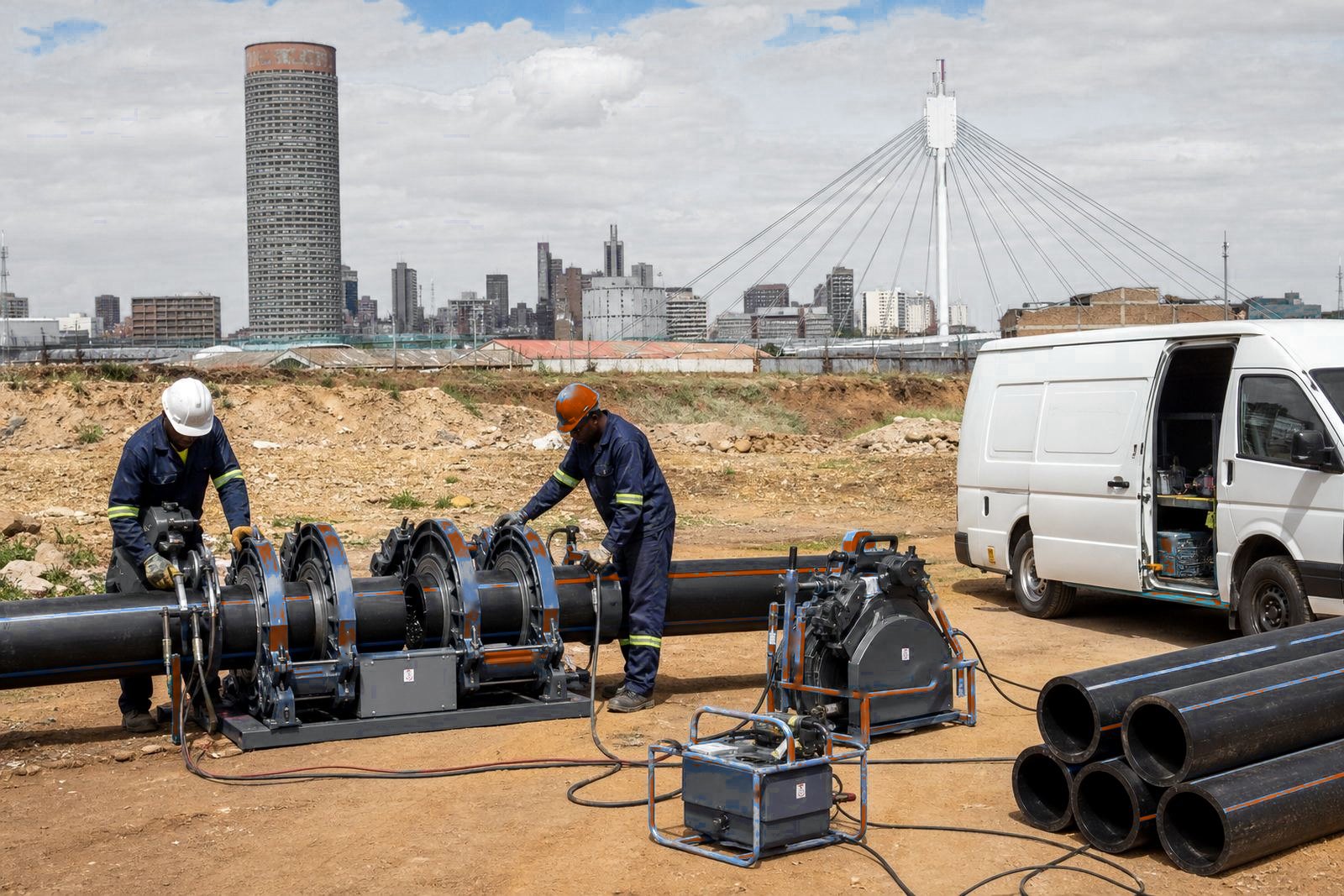
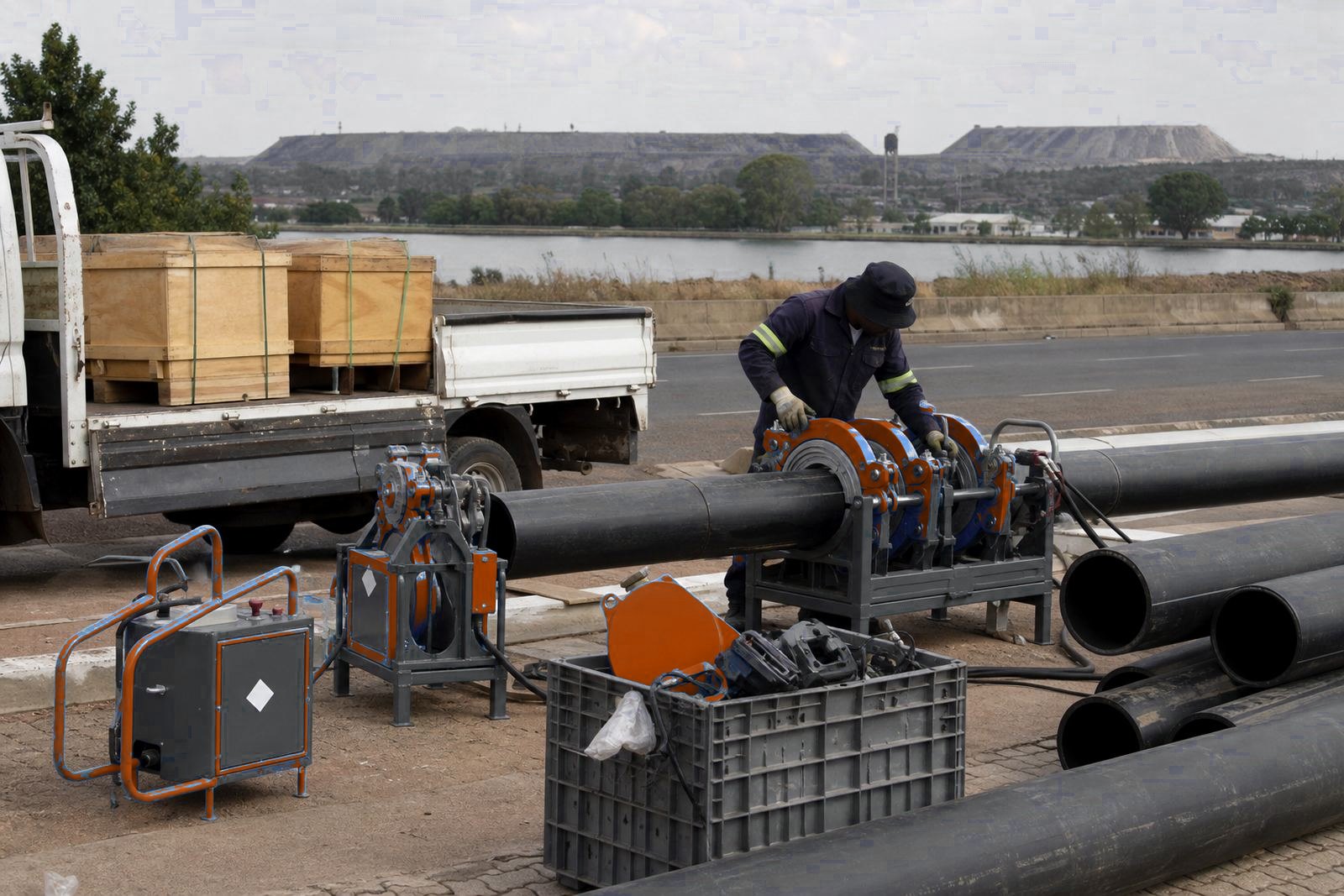
For Polokwane work we cover the parts that keep a butt-fusion crew operating cleanly and in sequence. Polokwane jobs are supplied with machines, facers, plates, clamp sets and preparation pieces. Where a project needs temporary capacity, our hire fleet can bridge the gap while a contractor finishes a run or waits on another crew to catch up.
If a team is short on a tool, has a tired heater plate or needs clamp alignment checked after transport, we look at the whole kit so the weld line is not compromised by one weak point.
- Machines for common Limpopo site sizes.
- Facers, heater plates and clamp systems
- Hydraulic pressure testing support for machine condition checks
On-site guidance for crews who weld every day
Many Polokwane crews already know the sequence, but site pressure can turn a familiar task into a messy one. Our operator guidance covers a real day on site, from pipe preparation onwards. These are the steps that separate a neat weld from one that needs to be cut out later.
For jobs that need fuller records, we help the crew keep a weld log. Logged settings give the job traceable records, and a supervisor can see whether the weld followed the expected cycle. A good external bead tells you the joint formed evenly, while irregular bead shape can point to poor alignment, contamination or a pressure issue.
Servicing after dust, transport and heavy use
Polokwane equipment often works hard on rough ground, on trailers and in and out of storage between jobs. That movement takes a toll on clamp alignment. We service machines, check the facer, inspect heater plates and look over clamp action before small faults turn into a failed weld or a lost day on site. Polokwane machines are checked for pressure drift and rough cutting faces.
When a unit comes in for service we focus on the parts that affect fusion quality first. Worn facer blades and clamp inserts are replaced at that stage. Regular servicing keeps the machine reliable under load and working properly in the yard.
People behind the Polokwane Support line
Polokwane jobs are handled by one team. Managing Director Mandla Maluleke leads the business, and Riaan Salie manages operations and keeps the moving parts coordinated. Alicia Jacobs leads the hire counter for Polokwane orders.
Polokwane clients get machines that are set up and tested for welding before they leave. Whether the need is a hire machine for a short contract or support for a crew that wants tighter weld control, the job gets handled through the same working group.