Paper still works when the field is busy
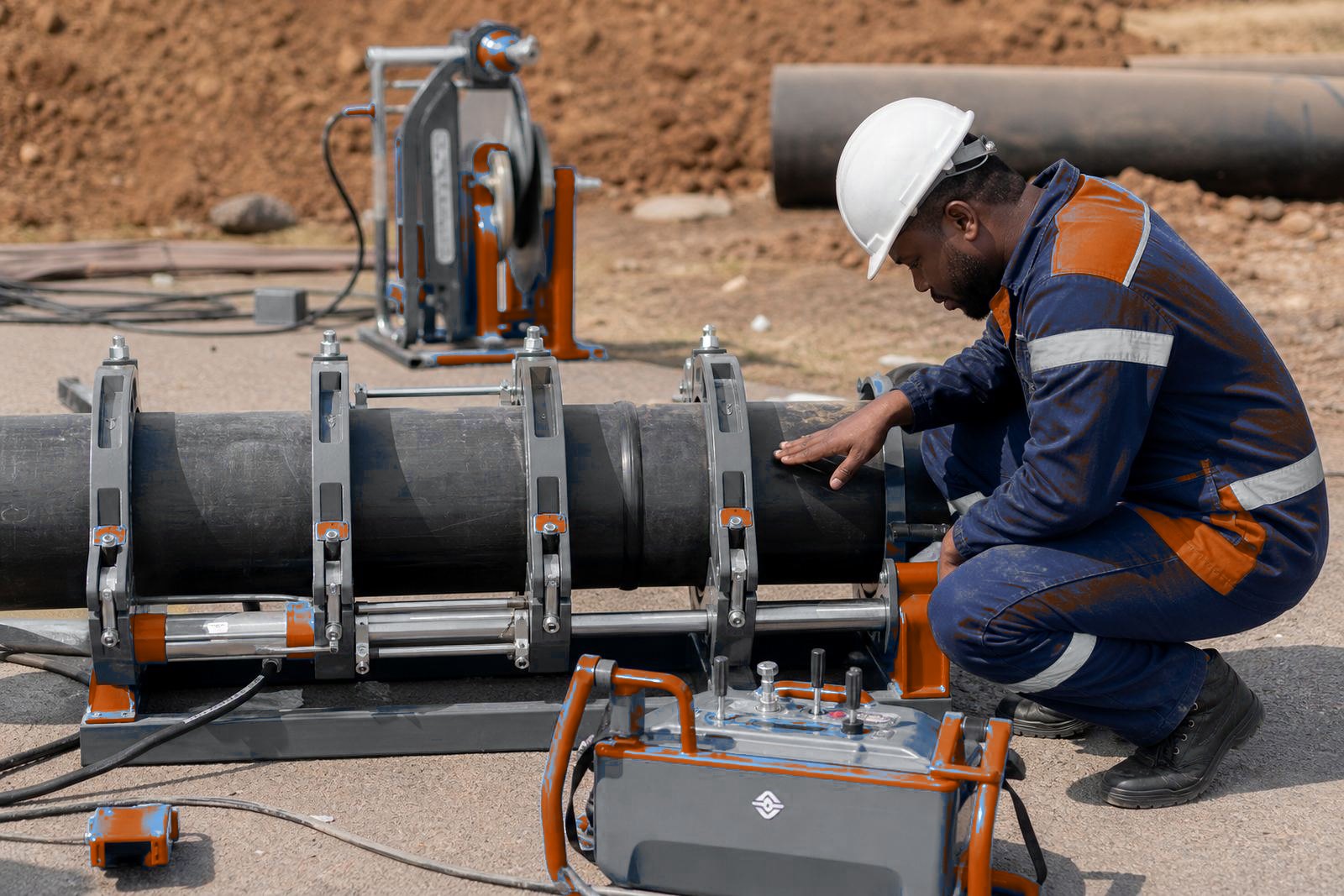
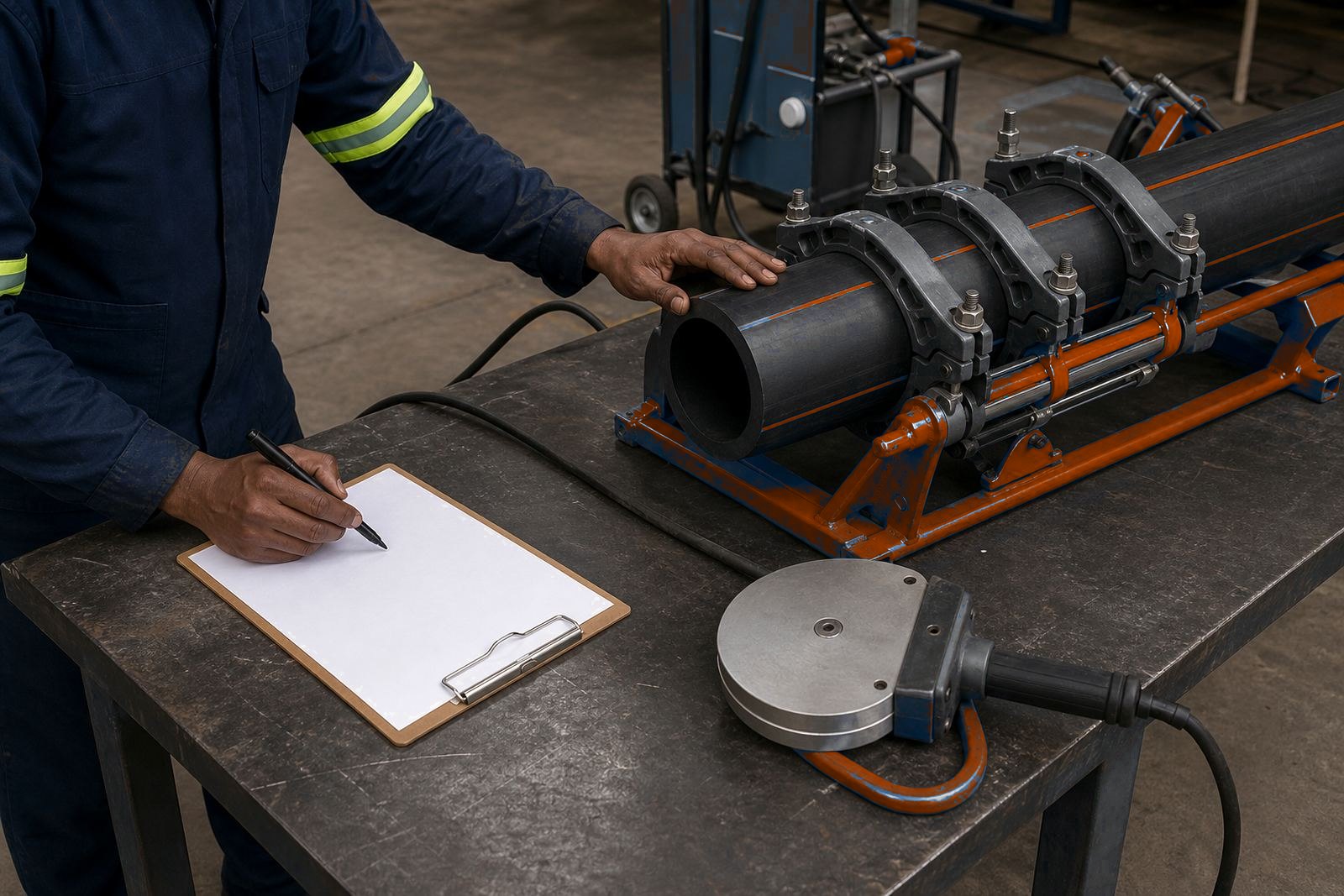
Not every site in Polokwane or the Cape works out of a neat office. A clipped paper sheet can move with the machine, sit beside the heater plate and go back into the file when the joint is done. Used properly, it gives a straight record of what happened on that weld, without relying on a screen or a memory that is already full of mud, wind and pipe offcuts.
Note time marks for facing, heating, changeover, pressure and cooling on each sheet. When a record is written the same way on every job, it becomes useful for supervision, handover and later fault finding.
The details that belong on every weld sheet
A manual weld record should carry enough detail to identify the joint and show the sequence followed. Sheets usually carry pipe size, wall class or SDR, material, joint number, site and date. Add the machine identifier, the heater plate number if that is kept separately, and the names of the people who handled the joint.
- Pipe diameter and SDR
- Joint number or line reference
- Operator name and assistant, if there was one
- Heating time and changeover time
- Fusion pressure and cooling time
- Bead inspection notes
- Any unusual site condition, such as wind, dust or a damp trench
The completed sheet is filed with the weld records, and each joint on it carries its own number.
The way the weld sequence is set out on the page
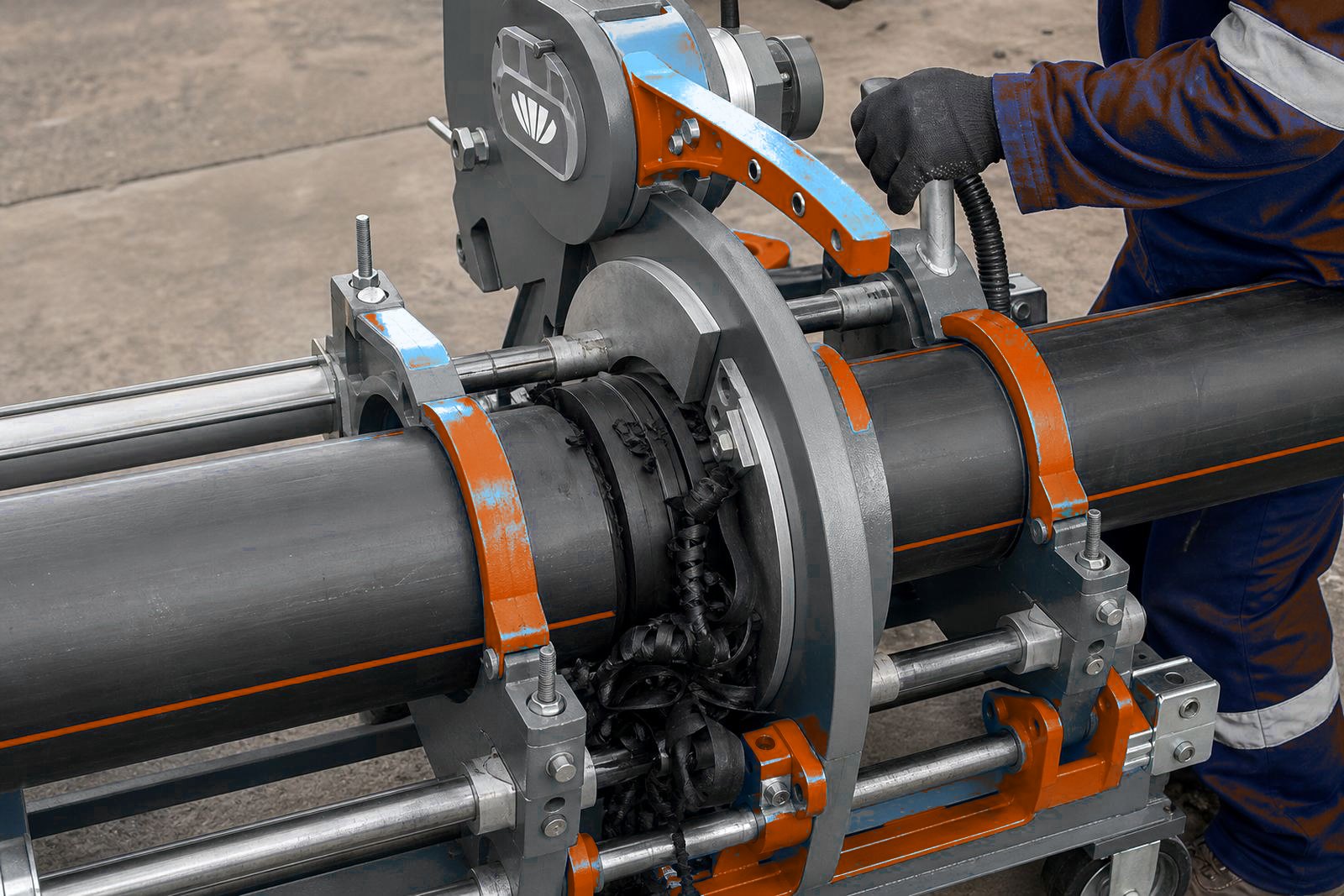
Record each stage of the butt-fusion process. First comes clamping and alignment. The open time is short, so the sheet should leave space for the changeover mark and the pressure step that follows once the ends are joined.
Use the weld table for the cooling period. Knocked or early-released joints can look fine and still be weak. Good manual records therefore note when the pressure was applied, when cooling began and when the joint was left untouched. On a windy day in Durban, or on a dusty trench outside Rustenburg, that timing can slip.
Paper sheets tie the digital log to field conditions on logged machines. A simple comment such as heat plate cleaned, clamps checked or surface dust present gives context that numbers alone do not show.
Bead inspection
Bead width and shape are easy to note by hand on a paper record. Mark it as completed, then inspect the bead and note its height, width and evenness. A good note may mention even bead, slight mismatch, minor squeeze-out or visible dirt at the pipe end before facing. A note like that lets the supervisor judge whether the joint can stay in service or needs a closer look.
Manual records are also a training aid for new operators. A trainee may learn the sequence faster when the sheet prompts them to look for the same things each time. On a busy site, a fresh team may have the machine ready and still need reminding to fill in the record for each bead. Alignment, pressure and cooling all form part of the same job.
- Record the bead while the joint is still accessible
- Note any flat spots, ridges or uneven squeeze-out
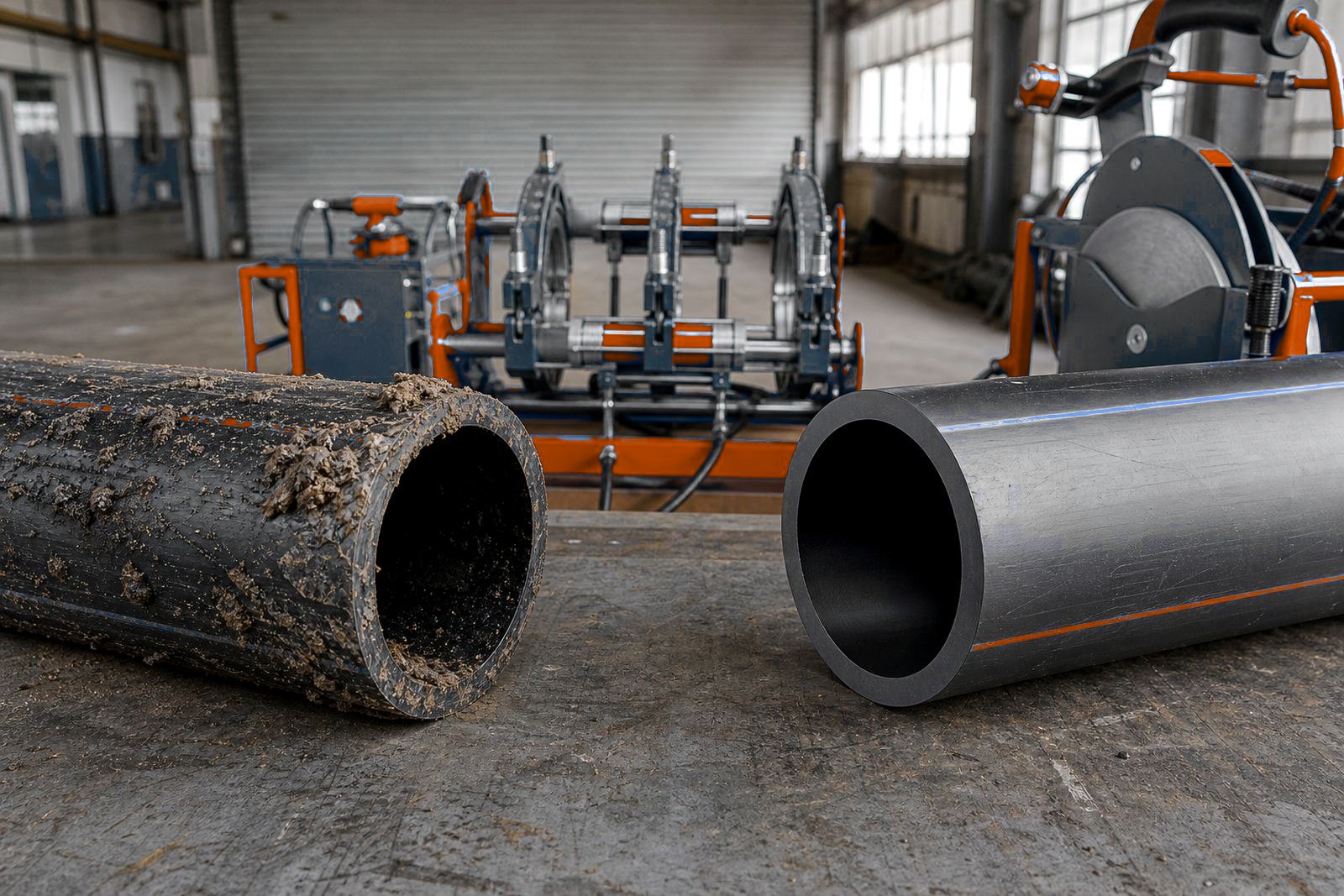
- Write down if the pipe ends needed extra cleaning
- Mark joints that deserve a second look before backfill
Using paper sheets with hire machines and mixed crews
Hire fleets often move between contractors, and the paper record needs to travel with them. One machine may leave the training yard, spend a week on Johannesburg reticulation and then move to a North West site. If the weld sheets stay with the machine file, the next crew knows what happened before they touched it.
Mixed crews also benefit from a fixed form. One operator may prefer shorthand, another may write long notes, but the sheet should always ask for the same fields. That keeps the handover clean when a day shift passes work to a night crew. It also helps the service team trace a clamp alignment issue, facer problem or hydraulic pressure drop.
- Keep one sheet format for all crews
- Store completed sheets with the machine file
- Leave room for service notes if a fault was found
Manual records on a long water line
Picture a long HDPE water run moving through a trench outside Polokwane. Keep paper records when one plate serves pipe in several SDRs for different sections. The foreman is watching the schedule, the operator is reading the gauge and the paper record is clipped to a board beside the machine. In that setting, fill the sheet in at the machine after each joint.
If one joint shows a longer changeover than planned, or the cooling time is extended because the wind is strong, the note gives the next crew context. Later checks use the sheet to see which joint was made under which conditions. Buried runs are covered quickly, so the sheet is the lasting record.
Our team keeps a plain paper sheet with each hire machine. Fill it out in full for every joint and keep it with the machine papers. The same sheet layout is used by every PlasticWelder crew.
Complete the record before the joint is buried
A manual weld record should be readable after the trench is closed and the crew has moved on. Use one neat form, keep the writing plain and do not leave the pressure figures or cooling time to memory. If the record is consistent, it can support operator training and job close-out without becoming a burden on the crew.
On real sites, paper and practice still need to match. A good sheet reflects the weld sequence, the pipe data and the inspection that happened at the joint. That is enough to keep the record useful, even when the job is far from the workshop and the ground is dusty, wet or both.