Securing the setup in hot weather
In hot weather, HDPE pipe softens faster at the surface and the operator has less room for small mistakes. Pipe sitting in direct sun, a warm clamp frame and a plate near working temperature can spoil a joint that would be fine in mild weather.
The first risk is handling. Pipe ends can ovalise more easily when they are dragged over hot ground or lifted by hand from the back of a bakkie. The second risk is timing. When the operator hesitates between facing and heat soak, the prepared faces lose condition.
In midsummer, crews start early, while the steel frame and heater plate are still cool. On a Durban coastal site the same job may need extra care because warm air and humidity can leave pipe and tools damp, especially after a night near the sea. That moisture must be cleared before the weld cycle begins.
Facing and alignment need a calmer hand
In hot weather, warm pipe can smear during facing. The facer removes a clean shaving from each pipe end, but a rushed pass can leave an uneven face or a lip that is not square. Misaligned clamps make the ends meet under strain, which shows in the bead later.
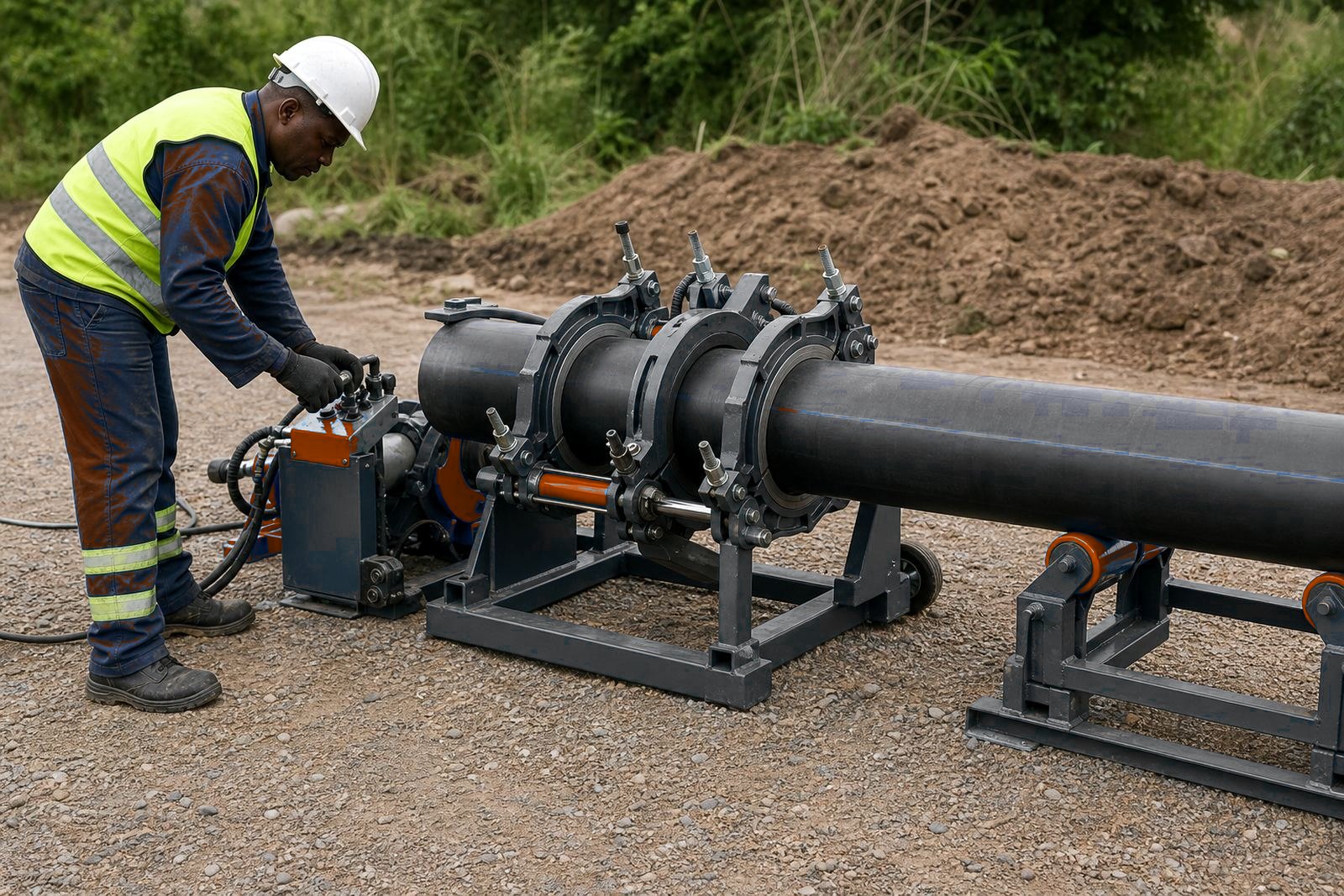
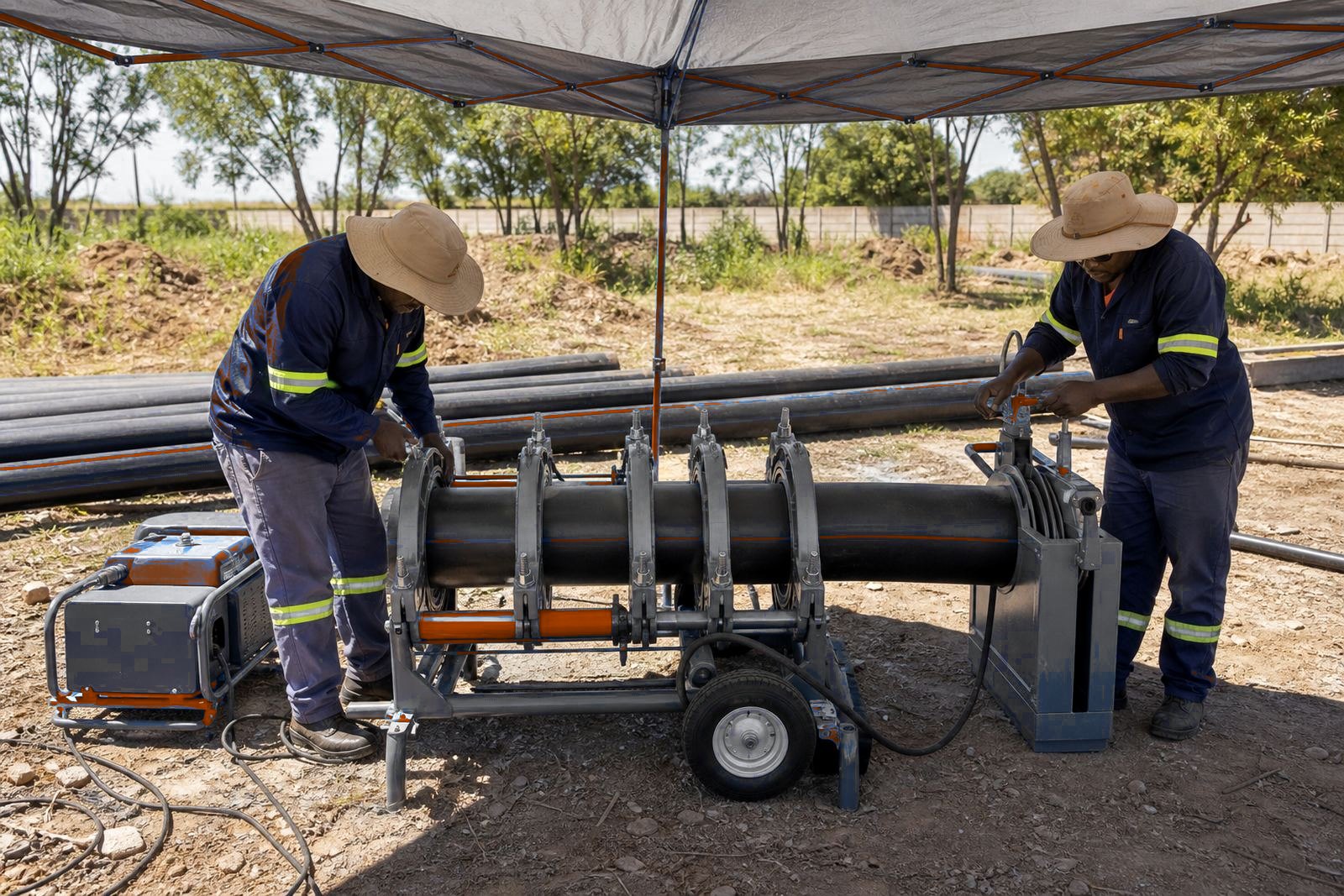
In hotter conditions, keep the machine in shade where possible and inspect the clamp condition before the first cut. Check for dirt in the jaws, worn bushings and guide surfaces that have picked up grit. A clean clamping face gives the operator better control over concentricity and reduces the chance of a lopsided bead.
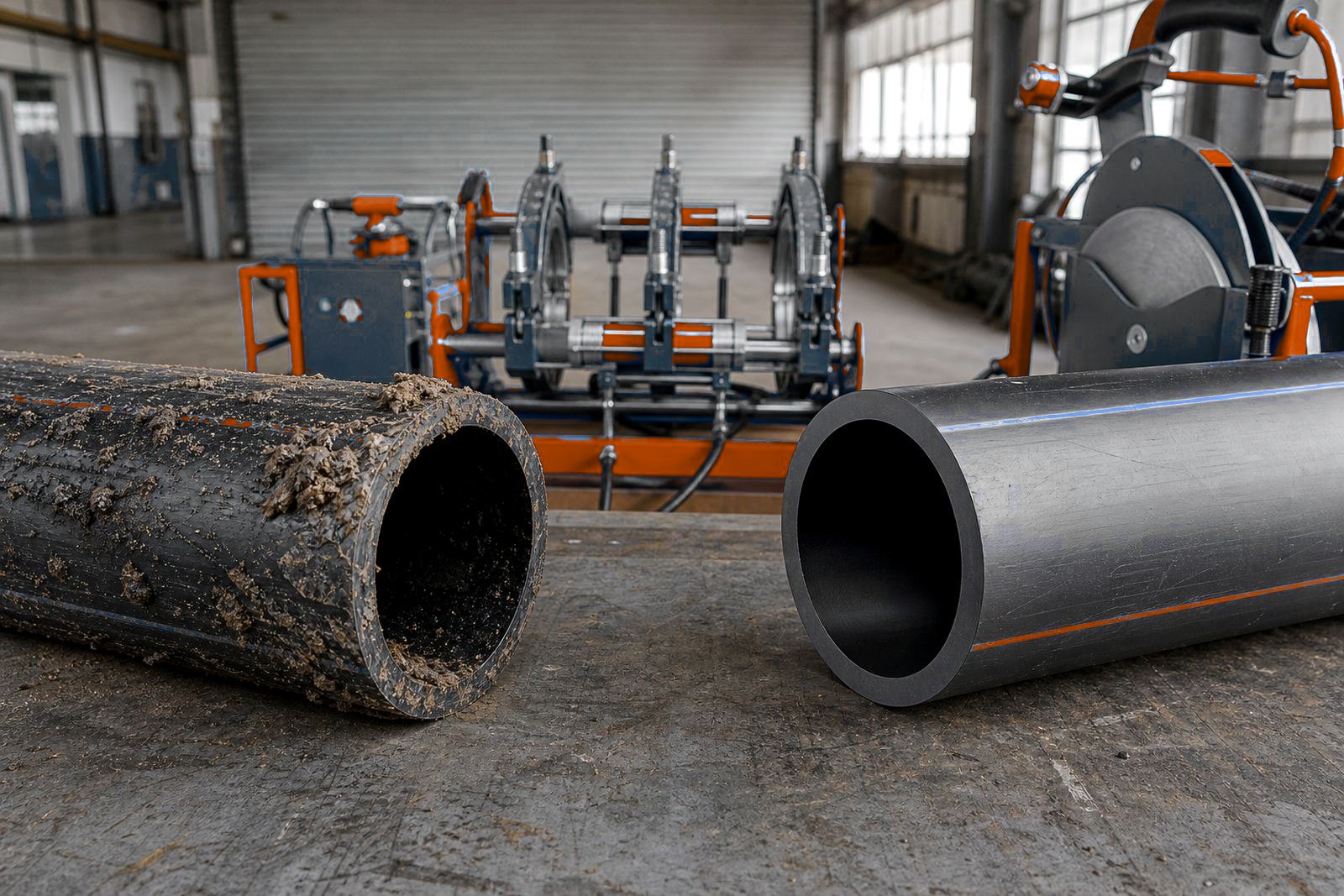
- Look for oval pipe ends before the facer goes in.
- Clear dust, sand and loose grit from the carriage path.
- Confirm the pipe grade and SDR against the joint schedule.
Hot weather calls for careful facing.
Heating time in hot weather
In high ambient temperatures the plate may transfer heat quickly, but that does not mean the fusion cycle can be shortened on feeling alone. The operator still has to follow the right heat soak, changeover and pressure sequence for the pipe size and SDR in front of them.
As the ambient temperature rises, the outside of the pipe can warm faster than the core. That changes how the molten layer behaves during removal of the heater plate and during the brief changeover before the joint closes. A slow crew lets the surface cool before pressure goes on. Pushing too hard rolls melt out unevenly and spoils the bead shape.
Check the plate faces, contact and operating condition early, before the midday heat. A warped plate or dirty surface makes the whole cycle less predictable. On large diameters, a few degrees of plate unevenness gives a bead of uneven width.
Changeover timing in hot weather
Changeover is the most sensitive window in hot weather butt-fusion. That window is brief under any conditions, but heat makes the pressure and timing feel even tighter.
At changeover the facer is out, the plate moves cleanly and the carriage closes without hesitation. Hire crews should already know how the hydraulics react and where the controls sit. A short delay at changeover can alter the joint profile.
- Practise the close and open motion before the weld sequence starts.
- Watch the pressure gauge while the joint is closing.
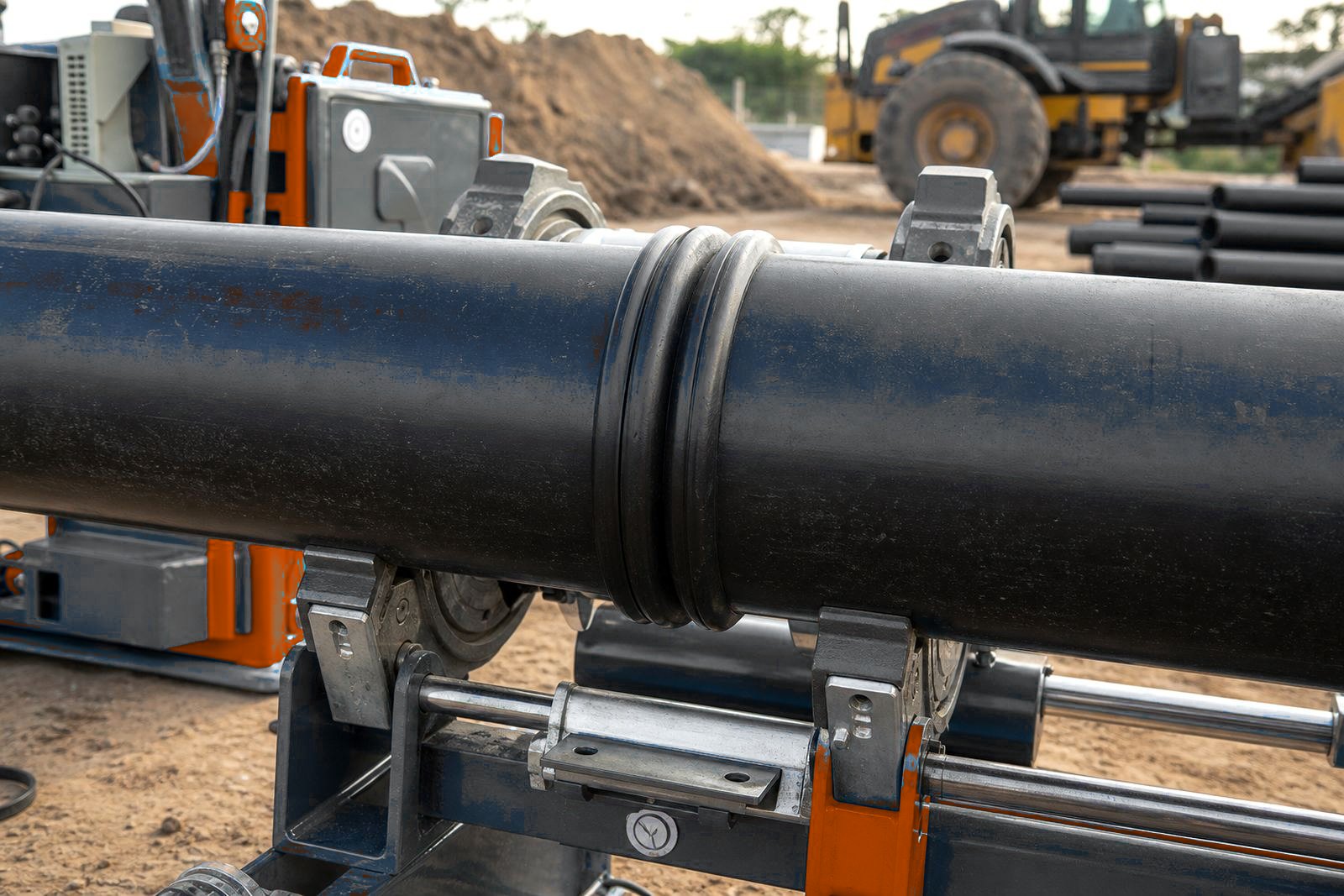
When the bead climbs evenly, the operator can see that pressure and heat met at the right moment. When one side bulges more than the other, the setup needs another look.
Cooling time stays on the weld clock
Hot weather does not shorten the cooling time, even though the joint stays warm longer. The temptation on a busy site is to release the clamps early so the pipe can be moved, lifted or logged. Moving the pipe early can disturb the bead before the joint has fully set.
The joint should stay protected until the material has stabilised under the correct pressure and cooling period. Pipe that is still soft inside needs the full cooling time before it is moved. Moving it early stresses the joint, and the fault can appear later in service.
Hot ground can also affect cooling. A pipe lying on heated sand, steel or concrete holds warmth, and direct wind can cool one side more quickly than the other. Keeping the joint steady and shaded where practical helps the bead cool evenly.
Data logging and bead checks for a complete record
In summer heat, crews log each joint closely. Logged welds in hot weather need complete, readable records. Set fusion pressure, pipe size, SDR and cycle details from the weld table for the actual job. A supervisor can compare joints across a long run from that record.
The outer bead should be even, continuous and consistent around the joint. A sunken section, a stepped profile or a bead that squeezes to one side can point to poor alignment, unstable pressure or rushed changeover. Check the bead surface after hot-weather welds.
On hot days, we ask the crew the same few questions. Is the heater plate clean. Are the clamps aligned. Is the hydraulic pressure steady. Is the operator logging what really happened on the joint.
Fusing in warm, humid weather
A coastal trench in Durban can give you two problems at once. The air is warm and the pipe may carry surface moisture from early transport or from being left under cover near the bay. Before fusion starts, the crew needs to wipe the ends dry, clear any grit from the clamps and keep the heater plate face clean. Keep the full heat soak on sun-heated pipe.
A trained crew knows when to stop and inspect the facer, when to check alignment again and when to hold the joint through cooling before opening the carriage. Site startup help is valuable on first shift work, especially where several welds must be completed before the pipe run moves on.
For crews hiring a machine, the unit is inspected before it leaves the yard. The right clamps, a sound heater plate, a serviced facer and clean hydraulics reduce the chance of a bad start on a hot day.