What a weld record holds
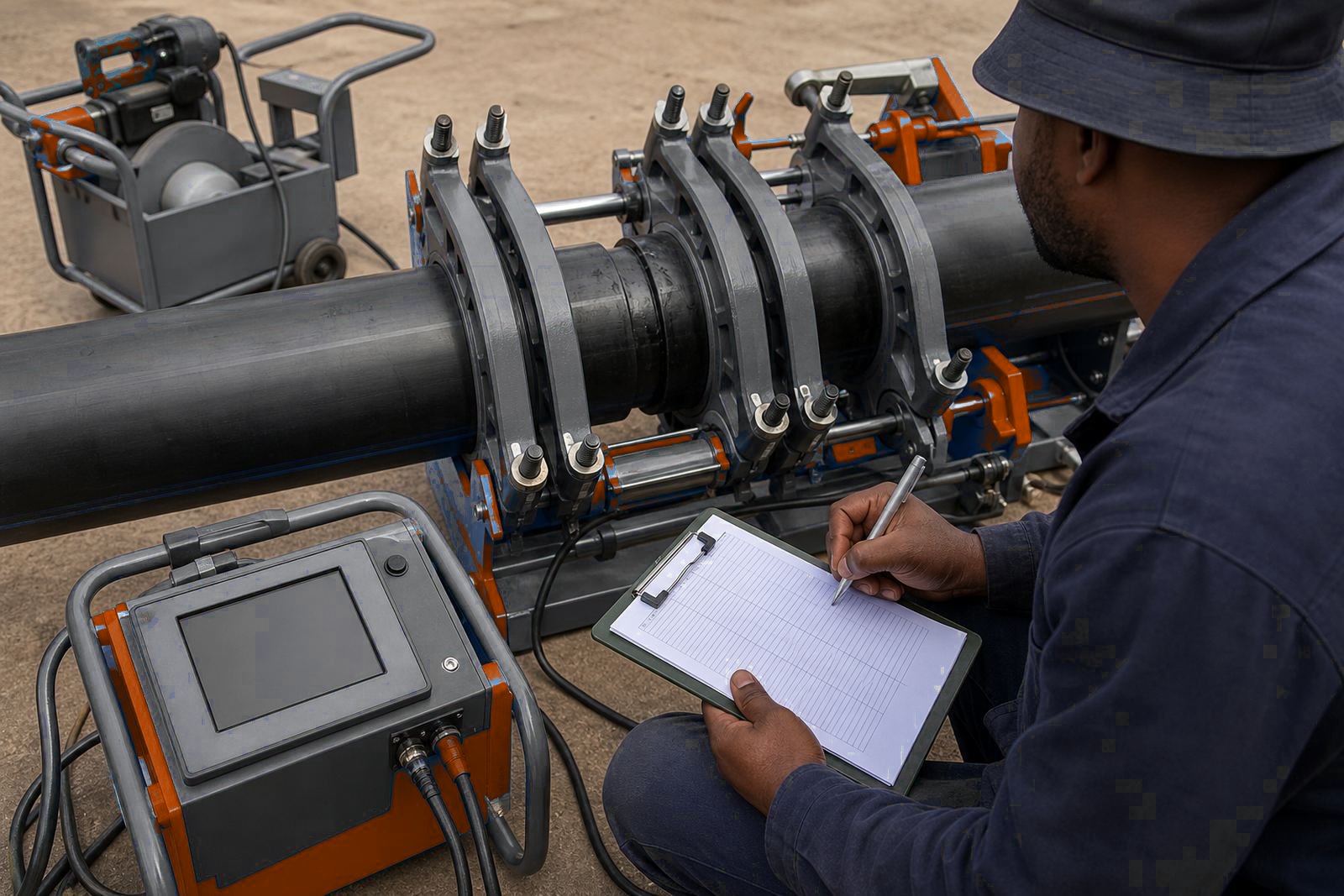
Typical logs list size, SDR, plate temperature and the facing, changeover, pressure and cooling stages. Those details count because a joint is only as good as the process behind it, and site conditions can shift from one shift to the next.
The log gives a clear trail when someone wants to check what happened on a joint. It helps the supervisor compare one operator’s sequence with another and see whether the settings matched the pipe wall thickness and diameter on the day.
What the log should capture on site
A useful weld record needs the actual numbers from the cycle and enough notes for a follow-up check. Logs help most on long runs, tie-ins and repairs where pipe size changes during the shift.
- Material batch or pipe section reference if the site keeps one
- Facing time and whether the facer cut was even
- Changeover time before the weld load is applied
- Fusion pressure, hold time and cooling time
- Bead appearance, symmetry and any visible contamination
When those fields are filled in properly, the job file becomes useful at handover and for later maintenance.
Why bead inspection belongs next to the numbers
Check the log and the bead together. A clean bead, even all round, usually shows that the pipe ends were aligned, heated evenly and kept under the right pressure during cooling. A thin side, a pulled bead or an uneven crown can point to movement during changeover or a poor facer cut.
On bigger diameters, the weld is often harder to judge by memory alone. A photo with the log entry can help, though the photo should never replace a proper visual check on the joint itself.
- Watch for scorching, contamination or visible gaps
- Bead compared with the logged pressure and timing
What changes when the pipe size grows
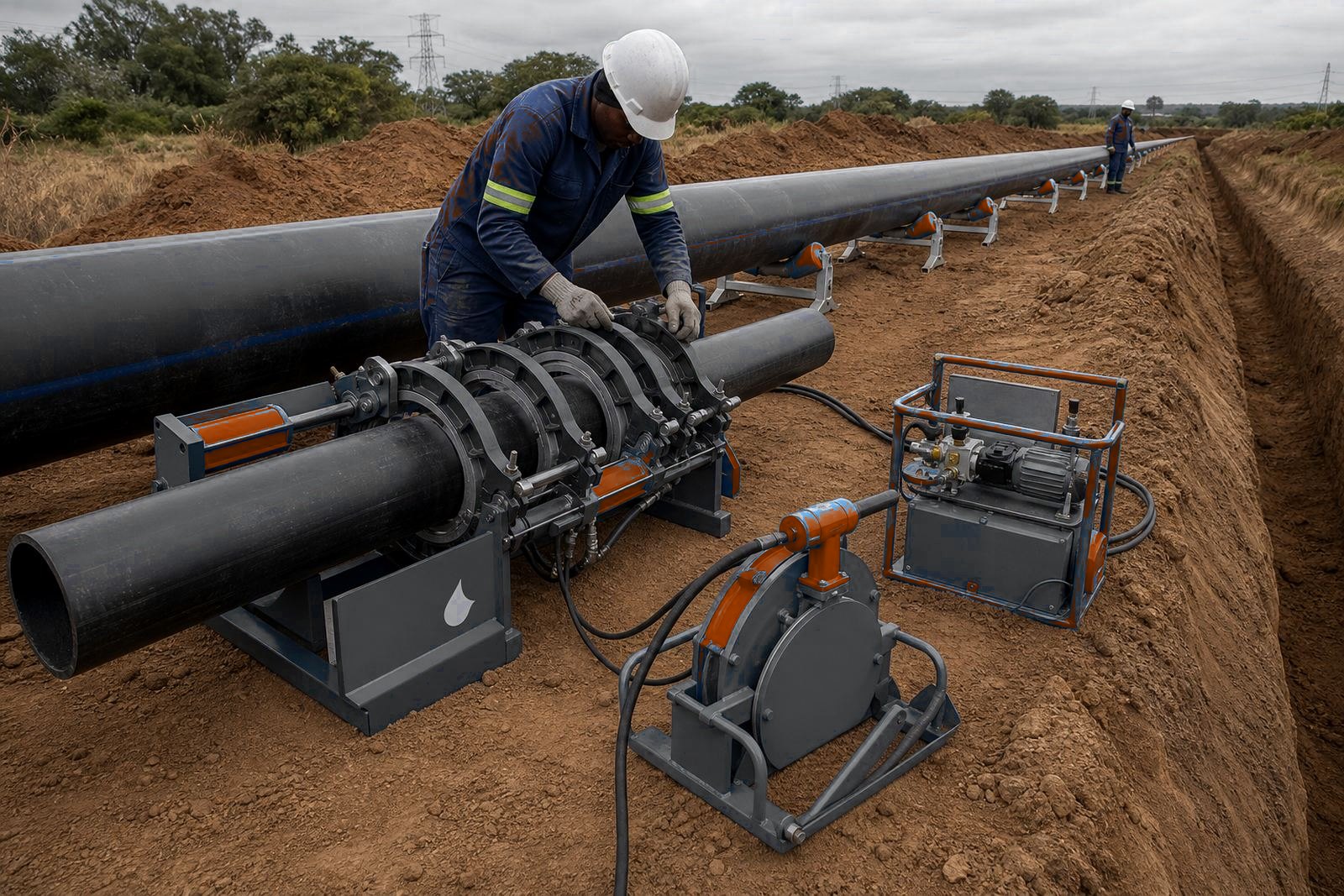
Small repairs and large civil mains do not behave the same way. Plumbing pipe at 63 mm has short heat and cooling times next to a large mine service run. As pipe size increases, the facing and heating stages become more sensitive and the cooling period before the joint is moved gets longer.
A weld log keeps everyone tied to the same sequence, even when the day is noisy and the trench crew wants the line moved on. If the log shows a short cooling period or a rushed changeover, the joint can be flagged before it disappears into backfill.
Training makes the log worth reading
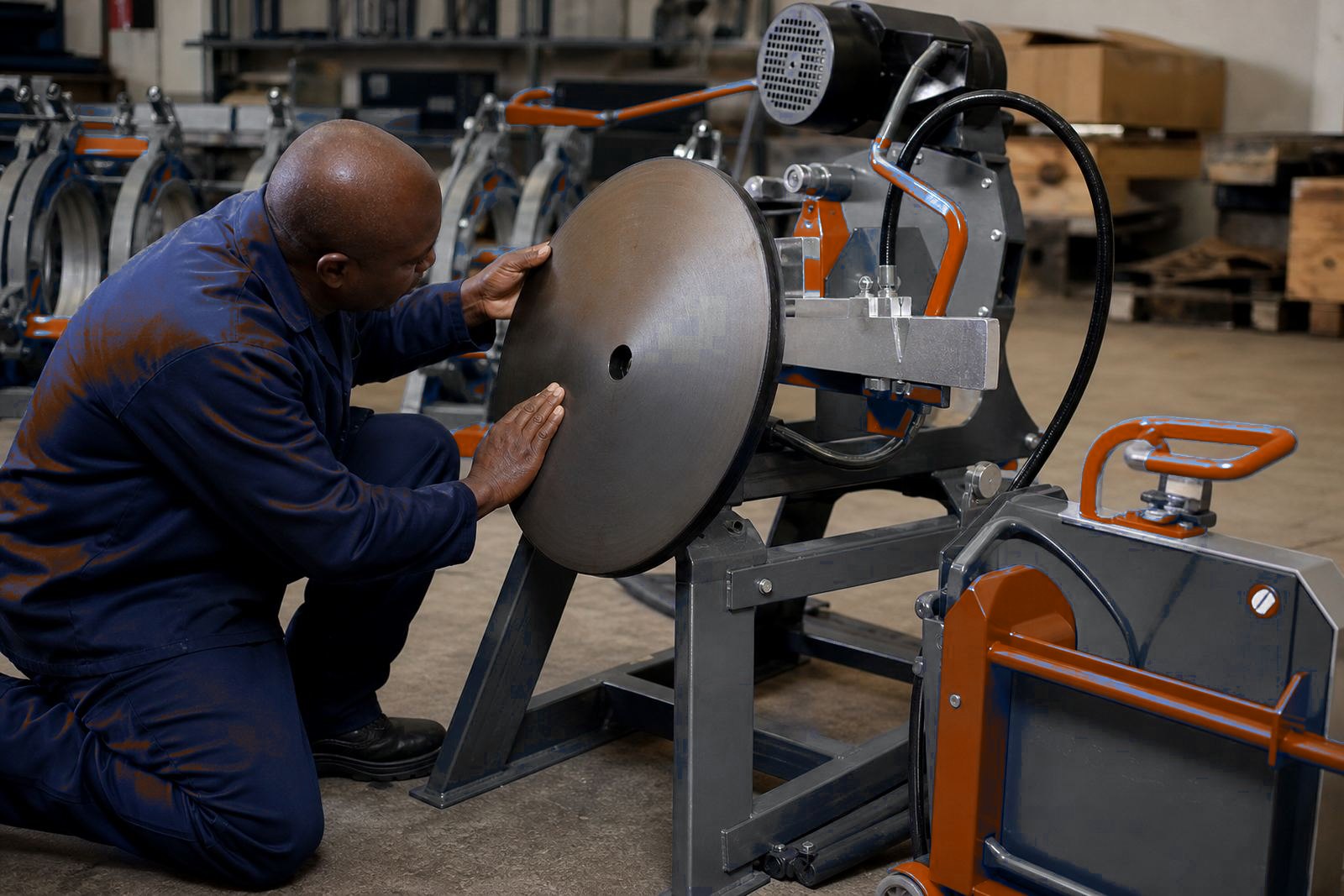
Train the crew on what each number on the sheet means. Our training courses show teams how to record the right fields, set up the machine and read the weld record. Clamp alignment, facer condition, heater plate checks and the point where fusion pressure comes in are all covered.
Hire fleet jobs add a collection and return check on top of this. Different operators may use the same machine on separate sites, so the log becomes the common language. Our service team can spot whether a machine issue is showing up as drift in temperature, pressure or cycle timing.
- New operators learn the sequence in the right order
- Experienced crews refresh the pressure and cooling routine
- Service staff can compare logs with machine condition
- Site supervisors can sign off a job with better records
Recording joints with a mixed crew
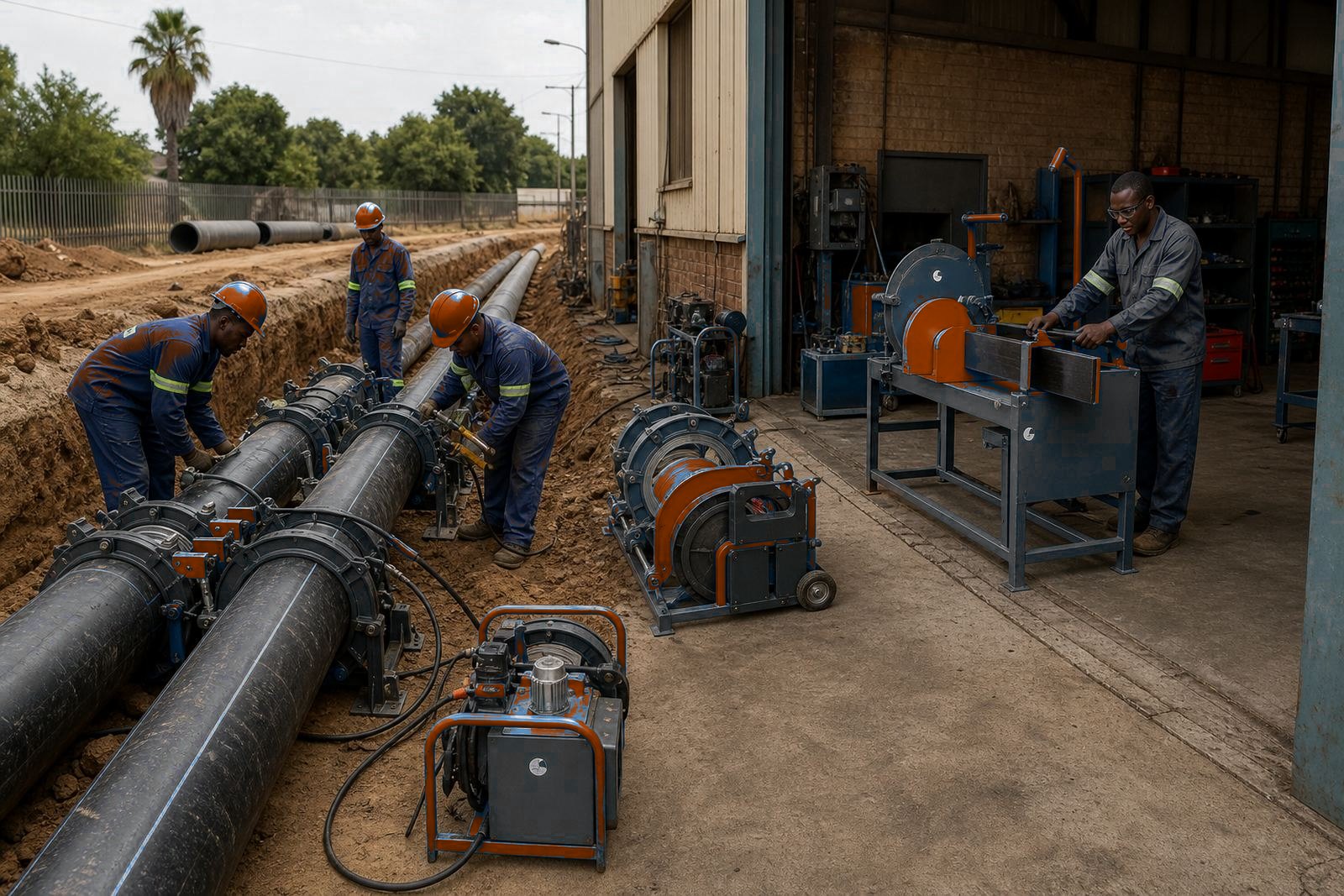
On a busy Gauteng job, one crew may be laying water reticulation in the morning and moving to another tie-in later the same day. A pipe run can include different SDRs, varied diameters and several welders across the shift. Without a log, the small differences blur together once the trench is closed.
With a proper weld record, the team can see which joint used a longer heating stage, which one needed a longer cooling time and where a clamp adjustment was made. That helps when the site engineer wants a quick follow-up and the contractor needs a clear file for the handover pack.
Where PlasticWelder fits into the process
We offer log setup alongside machine hire. Our weld logging help keeps each record tied to its joint, with no extra paper in the file.