Power that matches the weld and the machine
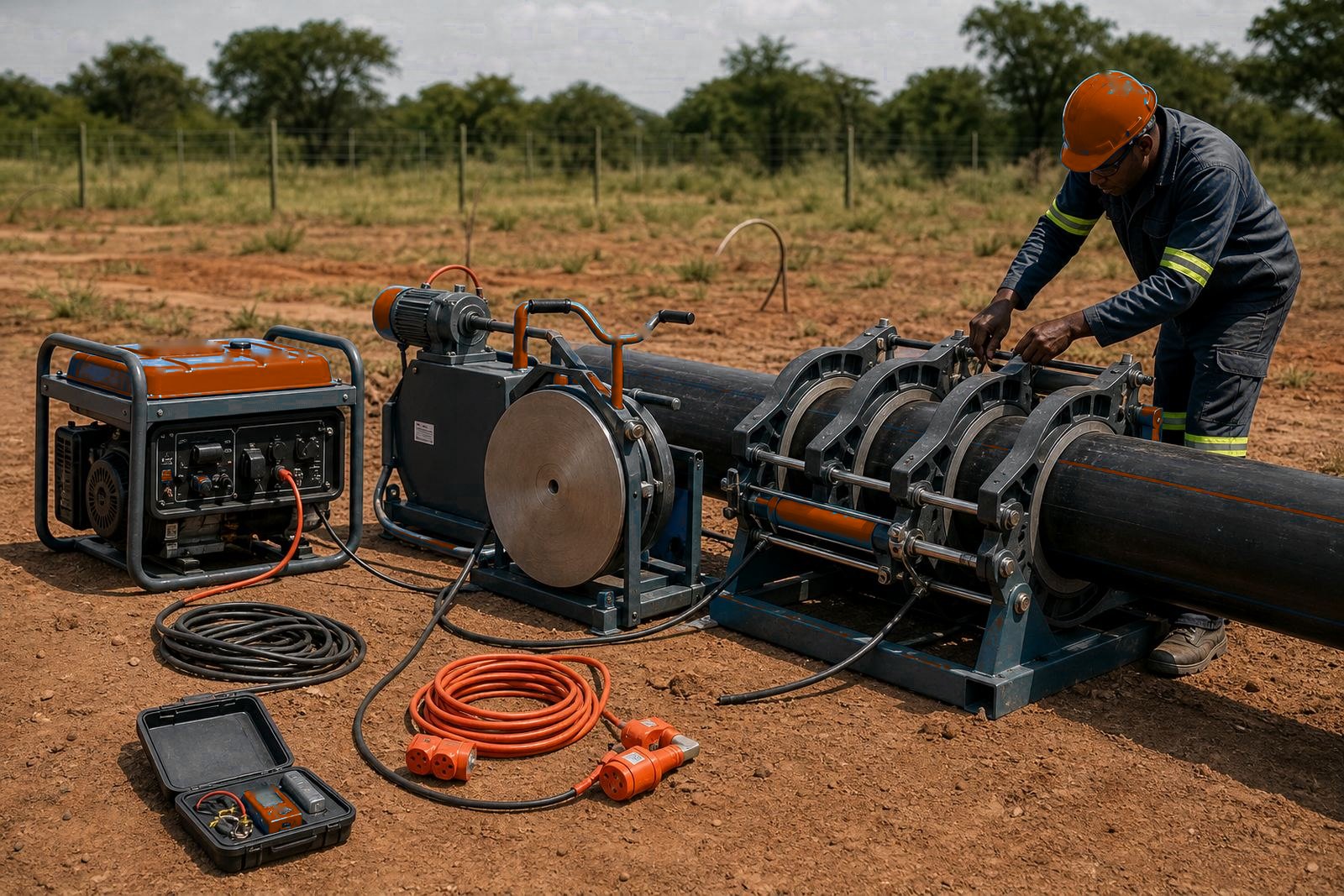
Butt-fusion equipment needs steady power from the generator. Plate heating needs stable voltage, and the facer and controls need spare capacity to avoid stalls or trips. Generators often trip when asked to carry too many start-up loads at once.
A proper generator check measures the output under load. That means the set should be able to carry the heater plate, facing tool and any logging or support kit without ugly dips. If the current falls away during heating, the bead can look dull, uneven or too thin. Cooling joints can reveal that fault only after the weld has started to set, so the whole cycle must be checked again.
What to check before making the first weld
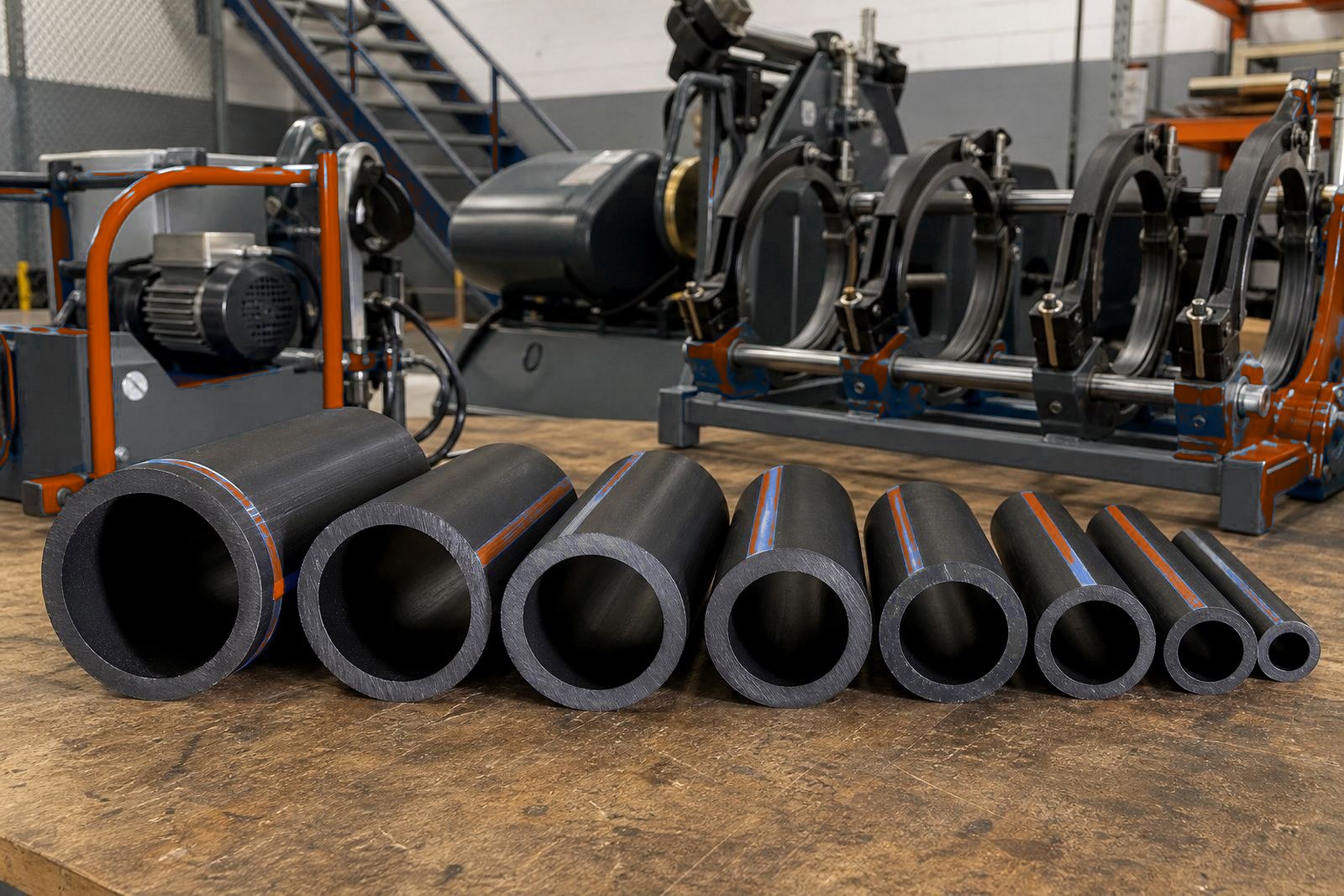
Check the fuel level, oil, plugs, leads and the actual output rating. Field generators are matched to the machine and the day's job plan. A unit that suits a small repair on 110 mm pipe may struggle when the same crew moves onto larger diameters or thicker wall sections.
- Check the rated output against the weld machine and heater load.
- Inspect leads, plugs and extensions for heat marks or loose fittings.
- Test voltage stability with the machine under load.
- Confirm the generator earth and cable runs are clean and safe.
- Listen for hunting, surging or uneven engine note while tools draw power.
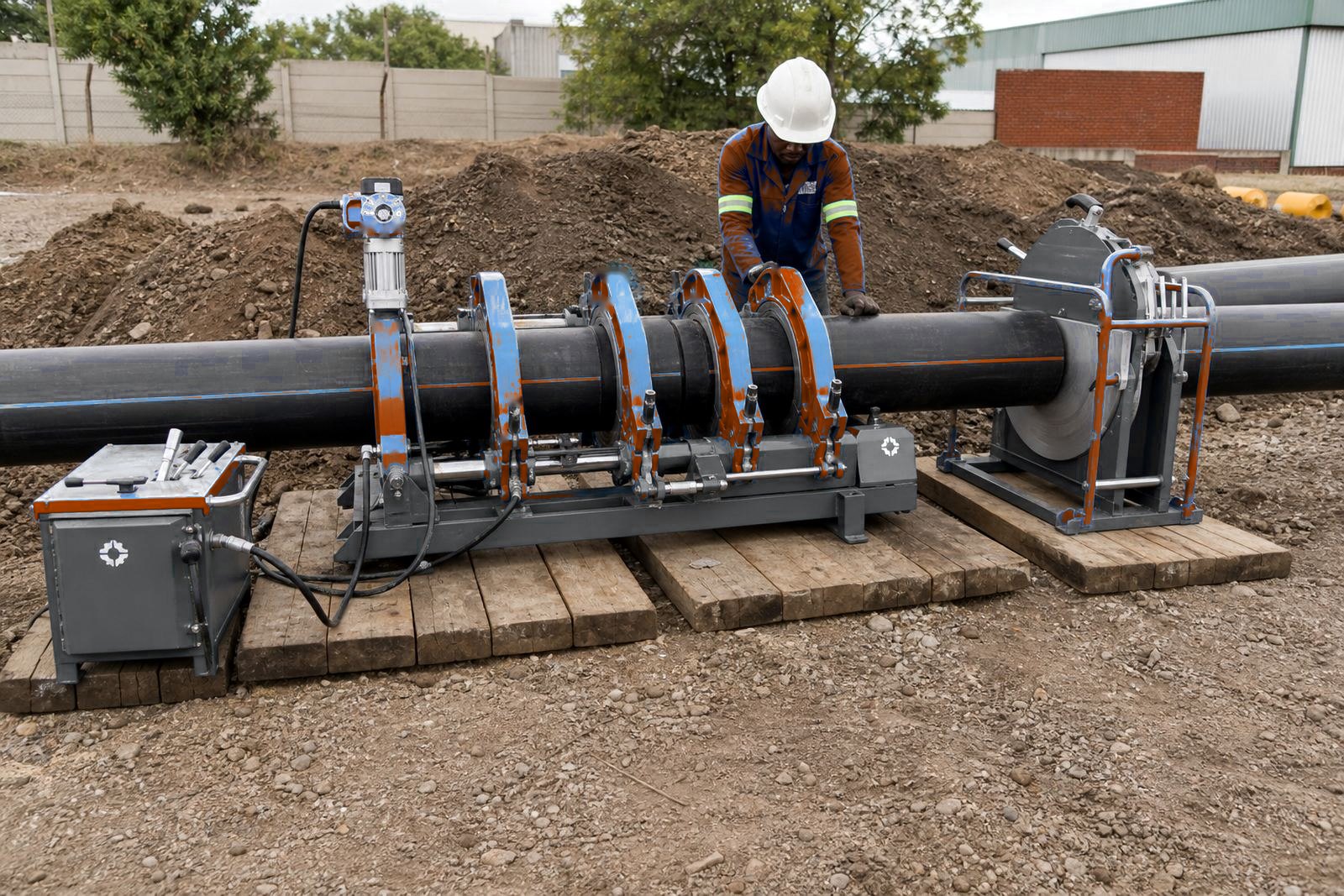
In Rustenburg, a civil crew working near a trench line may have dust, heat and long cable runs all at once. Those conditions make weak joints and poor connections show up fast. A clean generator set with the right rating makes the rest of the weld process easier to control.
Steady power during facing and heating
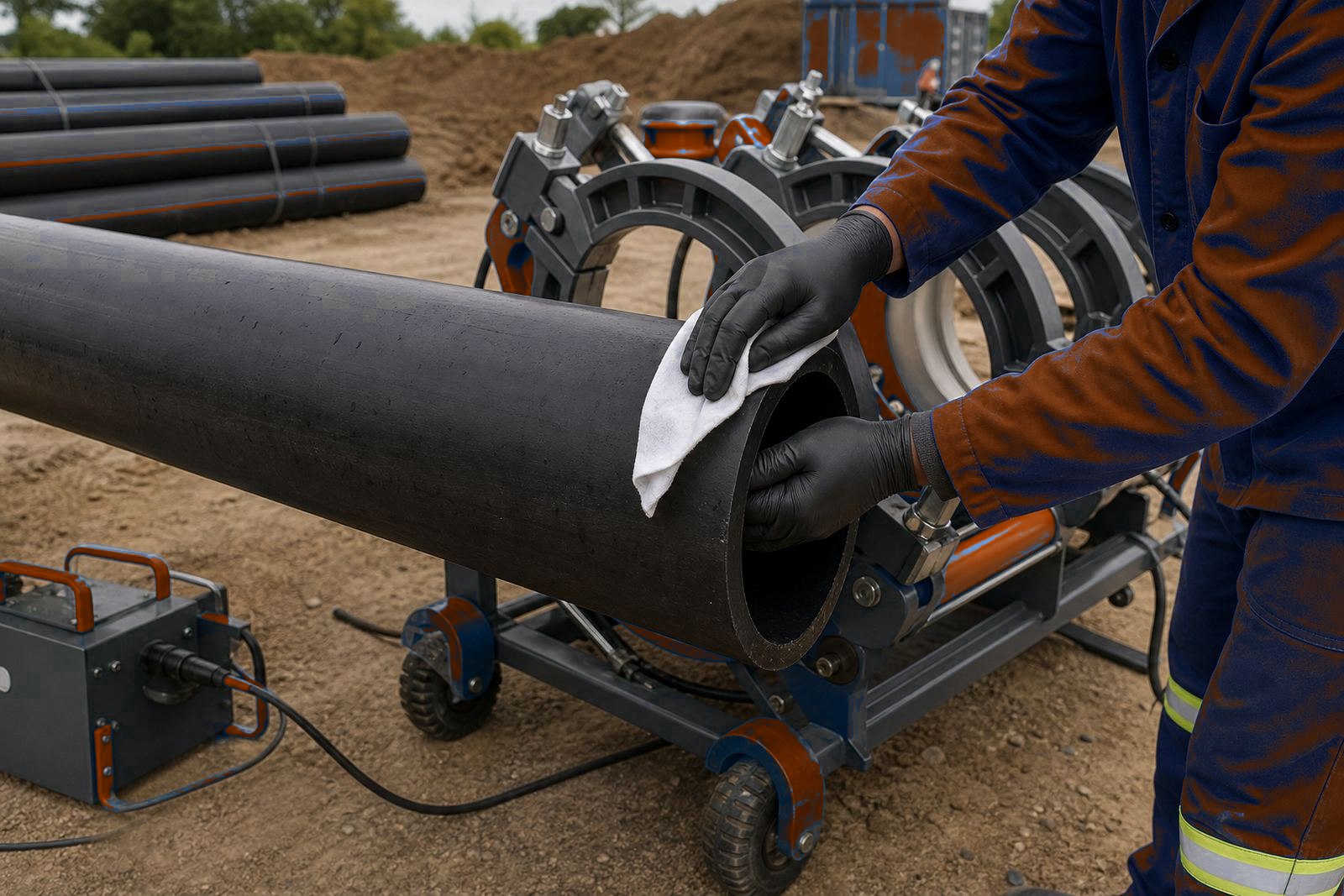
Facing and heating both depend on consistency. During facing, the ends of the HDPE pipe need a square, clean finish so the joint can close without gaps. During heating, the plate has to stay at the set temperature while the pipe ends soak evenly. If the power drops, the plate can cool at the wrong moment or take too long to recover, and that changes the melt pattern.
For larger pipe sizes and higher SDR work, the weld window becomes more sensitive. A sudden dip in supply can affect the time it takes for the pipe face to soften, which then changes the changeover rhythm. The fitter may still complete the cycle, but the pressure and timing will no longer match the conditions on the machine sheet.
Check the generator before each weld session. A well-run fusion joint keeps heat, pressure and cooling time together. If one part wanders, the rest stops lining up.
A practical check list for the field crew
Before a job starts, the crew should walk through the power setup in the same way they would inspect clamps or facer alignment. This is especially important on remote sites where the generator is the only source of electricity for the weld sequence. A careful visual check is needed when the job includes logging or a long run of pipe.
- Run the generator long enough to settle the engine before welding.
- Warm the heater plate and watch for a stable temperature reading.
- Test the facer and make sure it starts without dragging.
- Check that clamp movement stays smooth while the supply is under load.
- Keep the cable route short, tidy and protected from sharp edges.
If the power source is shared with other site equipment, separate it where possible. Welders do not like to compete with grinders, lights or pumps. A clean power supply helps hold steady fusion pressure and an even bead.
Local conditions change the way a generator behaves
Field crews often collect equipment from an industrial yard, load it, then head straight into a mixed site environment. In Johannesburg, the same machine may spend one day on a water line and the next on a repair. In Durban, humidity can affect connectors and stored leads. On distant sites, test the generator before dispatch.
Check generator output and cable condition before each welding session. If the generator is left sitting, fuel ages, terminals pick up grime and cable ends become less reliable. A crew heading out for a repair should not assume the machine is ready just because it started last week.
Read the generator voltage on the meter before switching on the heater plate. A stable supply keeps the weld sequence consistent from the first facing pass to the final cooling period, and it reduces the chances of chasing a fault that was really caused by the supply.
When training should include the power source
Operator training should also cover generator checks. A crew needs to know how a weak generator affects the heater plate, how to read the machine display and what to do when the plate heats unevenly or the facer sounds strained. If the power source is ignored, the operator may blame the pipe or the clamp setting when the issue sits in the supply.
Generator checks are part of the practical side of operator training. The team also looks at data logging, bead inspection and the link between stable machine output and consistent joint quality. On jobs where the weld record must stay clean, the crew can explain what was done on site.
- Match generator output to the machine and pipe size.
- Watch the heater plate during warm-up and under load.
- Note any changeover delay caused by a dip in the supply.
- Record any power fault before the next weld cycle starts.
What a sound generator check leaves behind
When the power source is sorted, the rest of the job settles into a better rhythm. The facer cuts cleanly, the plate holds temperature, the clamp pressure stays steady and the fusion pressure is easier to hold through cooling. The bead comes out more even, which helps during inspection and gives the crew a clearer read on the joint.
Short local repairs and long remote runs both need a generator sized to finish the weld cycle. Proper power checks cut surprises, improve control and give a joint that matches the machine setup.