Facing and why a poor face becomes a crooked weld
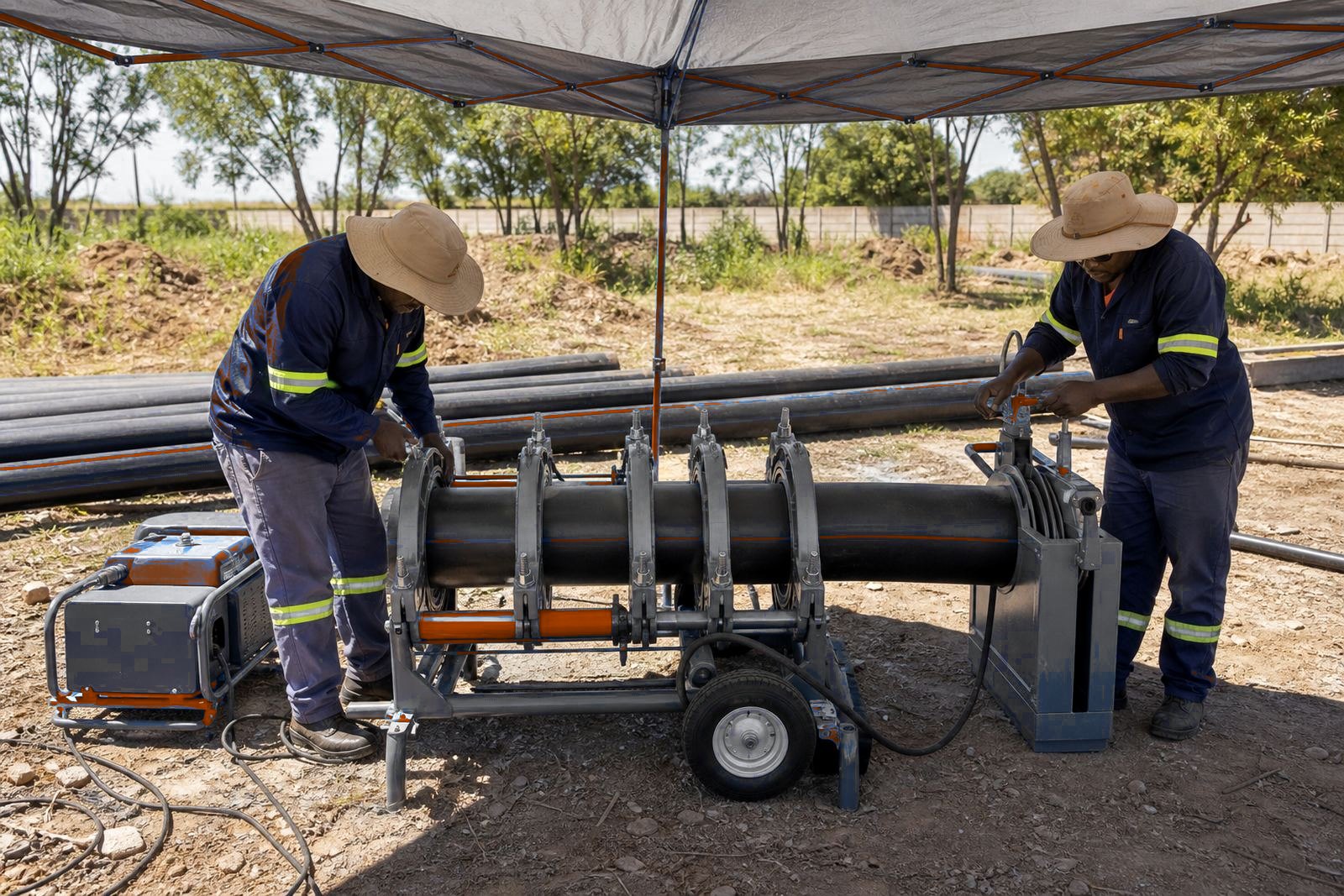
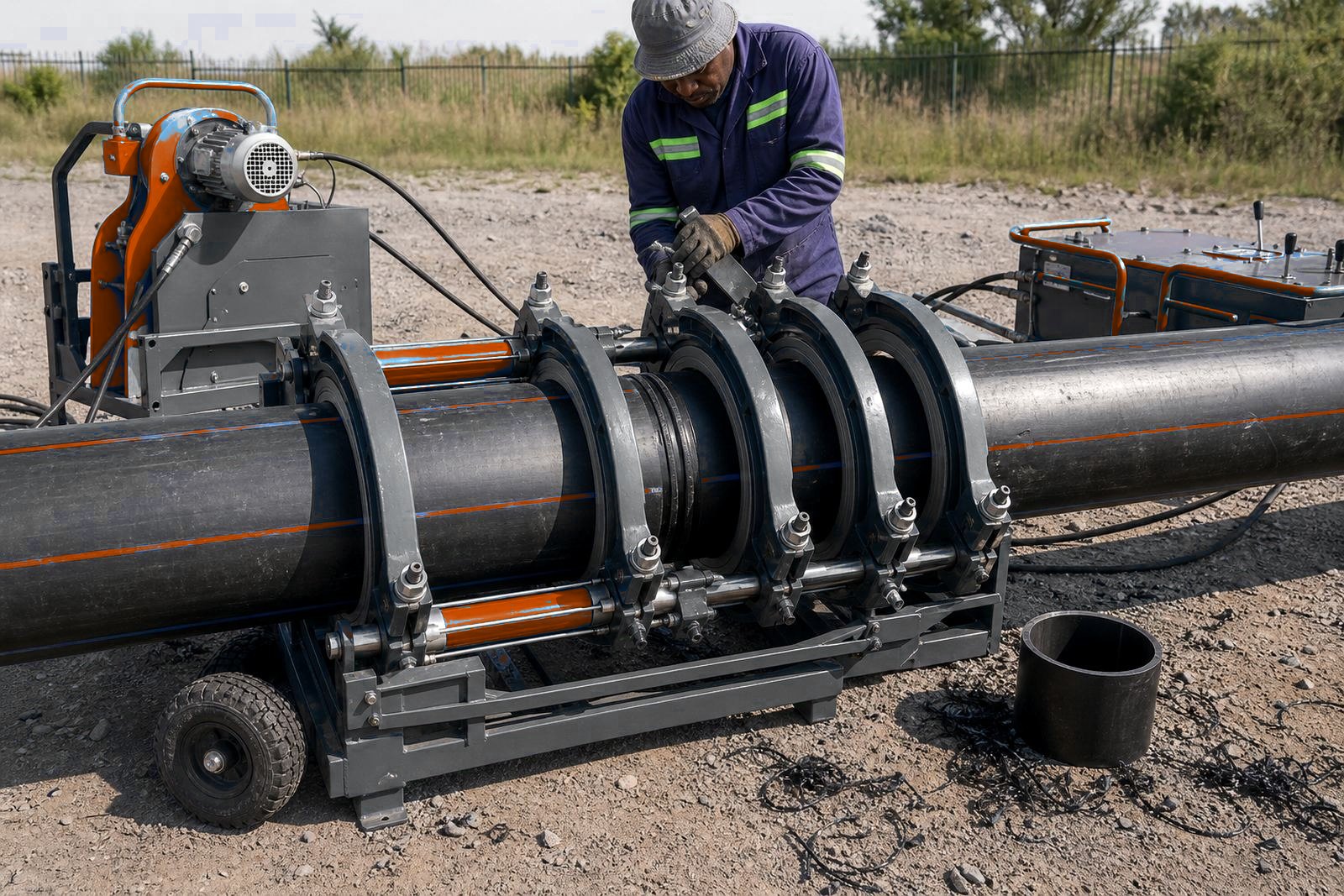
Facing should leave both pipe ends flat, clean and square to the pipe axis. A blunt, loose or badly guided facer takes more from one end than the other. That creates a face that appears flat at a glance but still pulls the joint off line when the heater plate is removed.
In practical terms, the operator wants a continuous ribbon from both sides during facing, the same way round the pipe. Uneven swarf or facer chatter can lead to a joint that closes with offset after changeover. Offset complaints are often the first sign a facer needs overhaul.
Uneven heating on the heater plate can soften one side faster than the other, so check the plate carefully. That uneven softening makes the pipe edges move at different rates during the heat soak. By the time pressure is applied, the line has already started to wander.
- Inspect the facer blades and guide movement.
- Watch the swarf from both pipe ends.
- Do not force the pipe through a worn facing step.
What the bead is telling you after the clamp opens
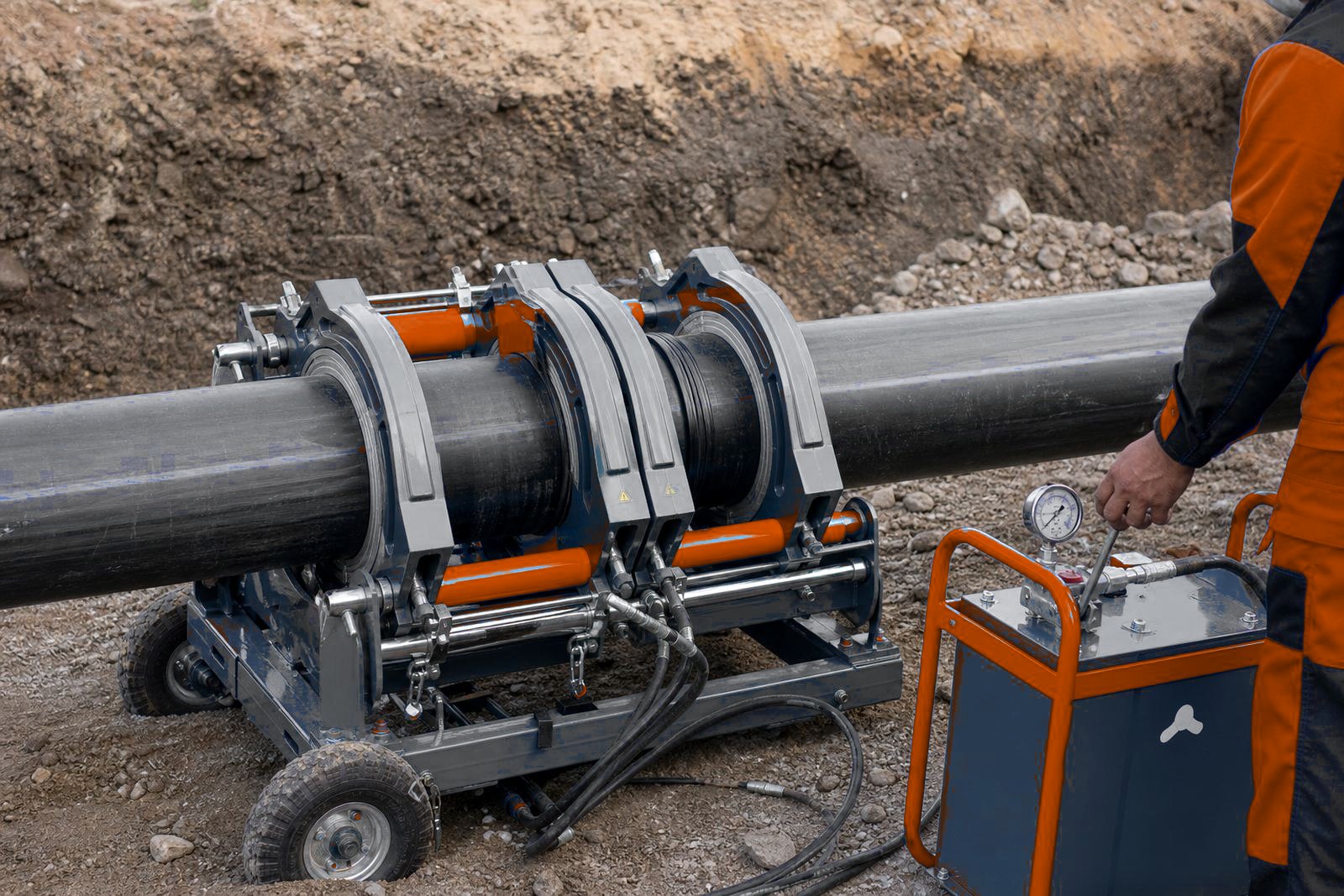
A uniform bead around the full circle suggests the ends met squarely and the pressure was held evenly. When one side of the bead sits higher, or the crown leans to one edge, the joint may have moved during clamping or pressure build-up.
Bead inspection checks for consistent width, equal roll-out on both sides and no sudden flattening at one point. If the bead shows a clear step, the issue may lie in clamp alignment, pipe support or a dirty alignment face. On logged jobs, a note on the bead appearance helps trace repeat faults across a shift or a site.
The machine record and the visual bead can be compared later when data logging is on. If heat time, pressure trace and cooling look sound but the bead leans, the setup needs checking before any change to weld settings. Rework on a long pipe run is costly.
- Look for equal bead roll on both sides of the joint.
- Check for a step or lean in the crown line.
- Use weld logs to match the joint to the setup record.
- Review support, clamp condition and pipe size together.
The checks that keep offset from showing up on the next weld
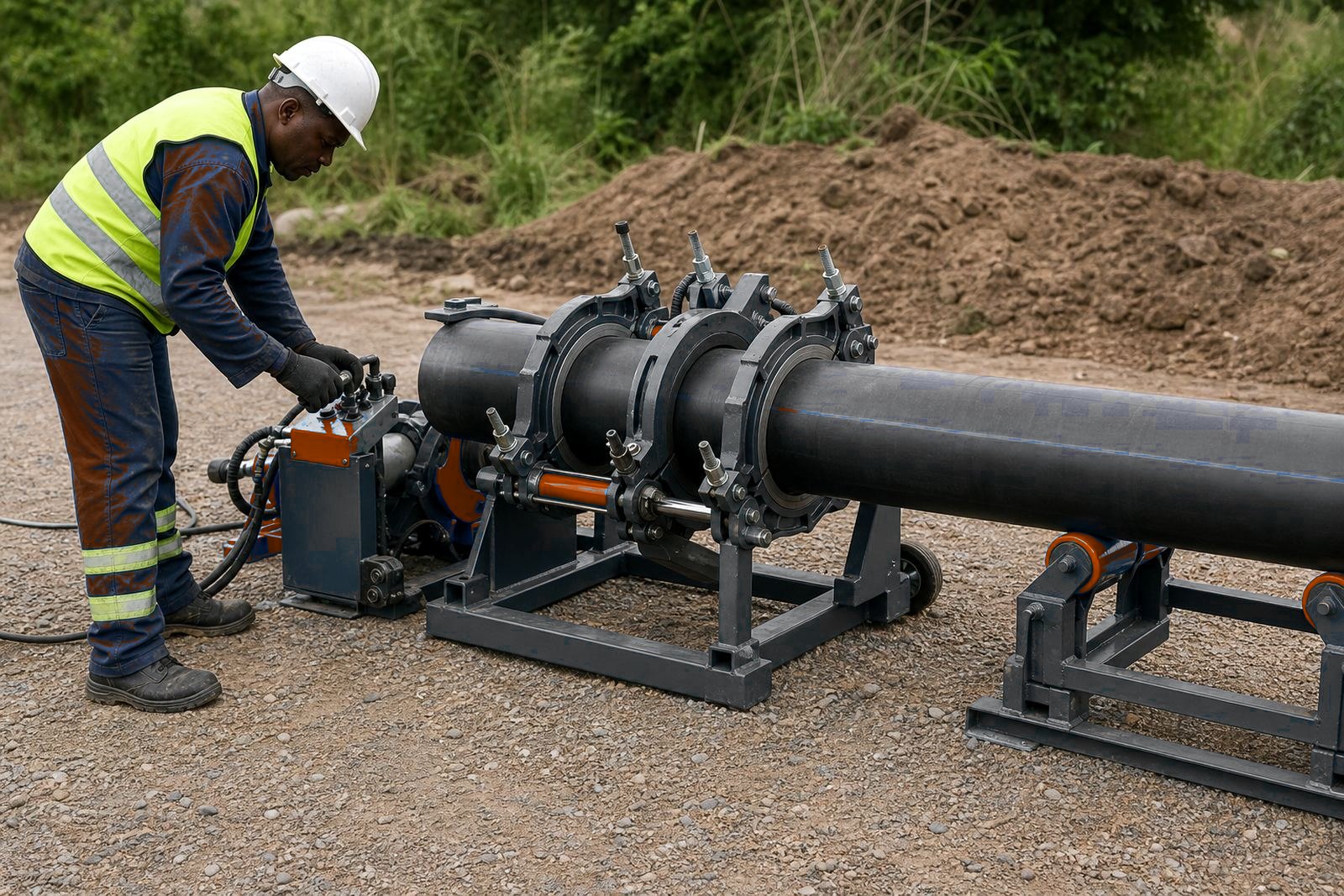
Offset is usually a setup fault, so the cure is a setup routine. Before each shift, the machine should be checked for clamp wear, facer condition, hydraulic pressure stability and the flatness of the heater plate. When the pipe size changes, reset the support height and confirm the SDR details before starting the weld sequence.
Machines moving between sites travel through very different conditions. A clean yard, a wet laydown area or a dusty site each change how the pipe sits in the clamps. The basic method stays the same, and the operator has to read the site and the settings.
Where offset recurs, we check clamp alignment on the machine with the crew. Correct the offset before the next joint is made.
- Inspect clamp wear before the first weld of the day.
- Reset support height when pipe diameter changes.
- Confirm the facer and heater plate are working evenly.
- Keep weld logs neat so repeat faults are easier to trace.