Start the crew on the same weld method
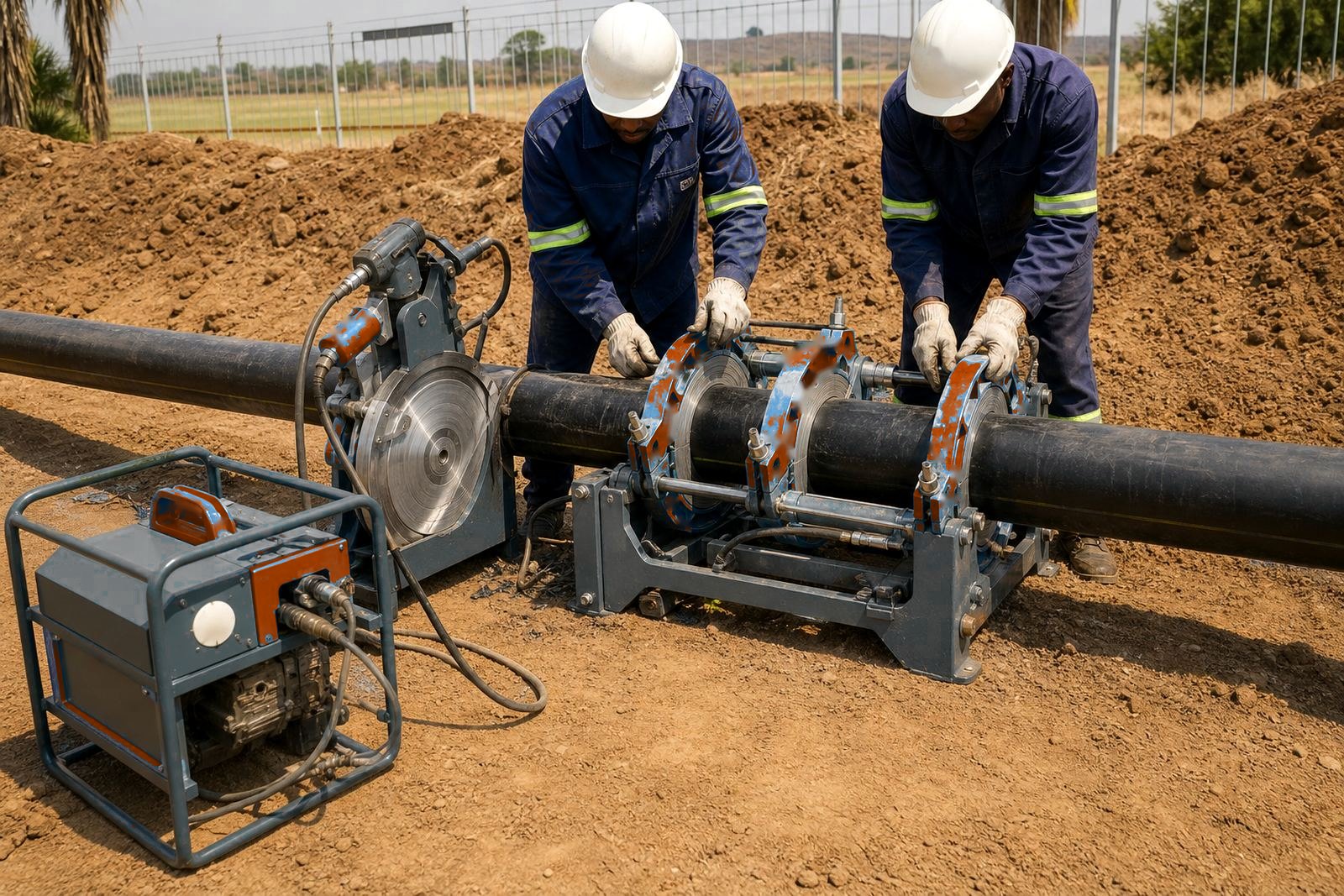
HDPE butt-fusion needs a machine, two lengths of pipe, the SDR, wall thickness, square ends, clean faces and joint alignment before heating. Trainees learn to read the SDR, check wall thickness, square the ends, clean the faces and keep the joint aligned before heat is applied. A poor set-up gives a bad bead shape, misalignment or a joint that pulls apart under load.
Our training covers the full sequence used on site, from clamping and facing through to heating, changeover and fusion pressure. Training crews come from jobs where pipe size and conditions change by section.
- Pipe preparation and end cleaning
- Facing, heater plate contact and changeover timing
- Fusion pressure, cooling time and joint release
- Bead inspection and weld record keeping
When refresher training helps most
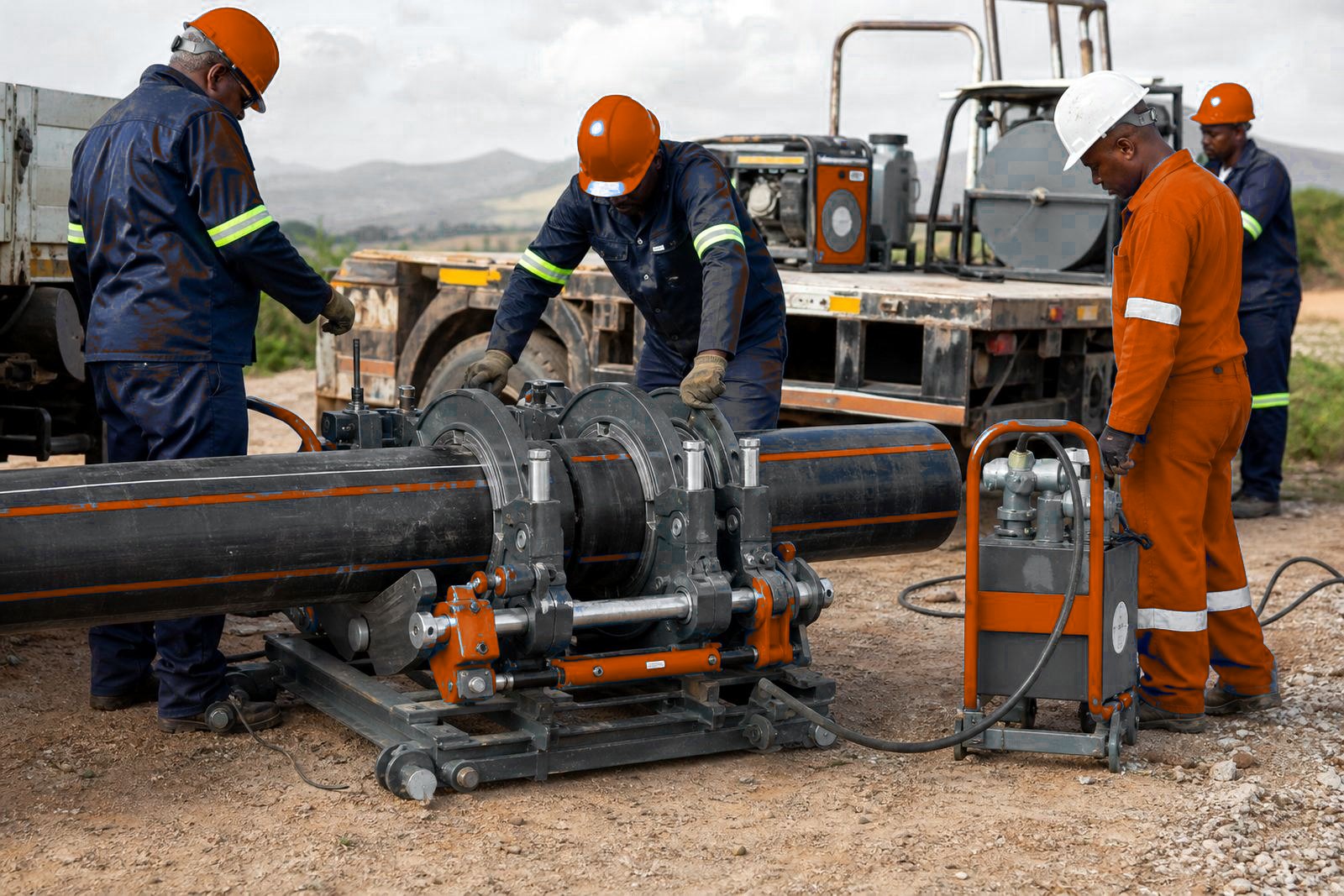
Book a refresher session when a site changes pipe sizes, moves from light-duty work to heavier wall sections, or brings in operators trained on a different method. The same applies after a long break, or when weld logs and clamp checks are not being filled in properly.
In practice, a short session can reset the basics and cut the small errors that waste pipe and time. Sessions include checking hydraulic pressure, confirming facer condition and watching the bead after cooling.
- New crew members joining an active site
- Repeated bead faults or uneven fusion lines
- Startup checks before the first welds on a section
Site startup support for first shifts and new crews
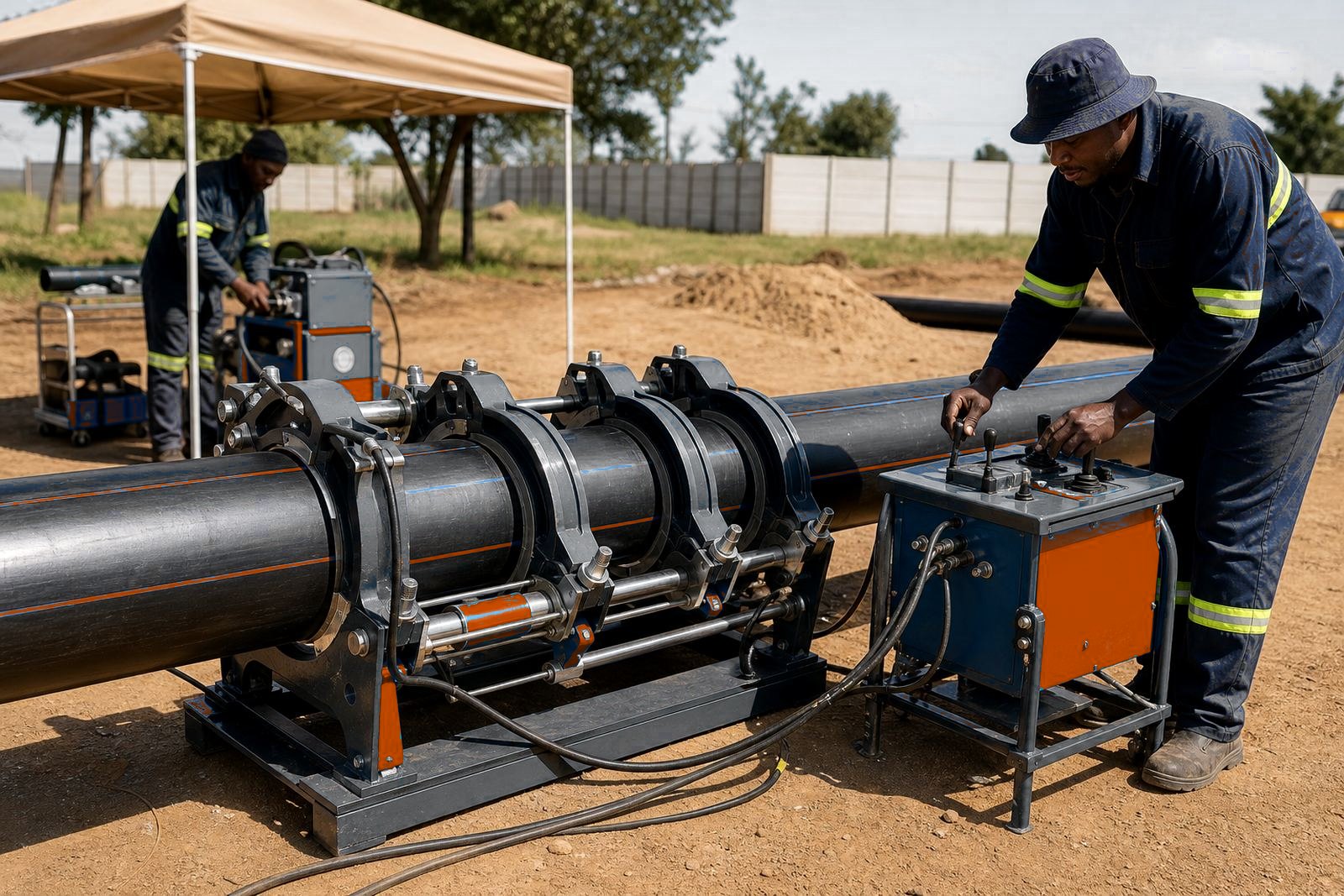
New crews can book a supervisor for their first day on site. That can mean helping the team lay out the pipe stands, confirm clamp alignment, check the facer and heater plate, then set the machine for the pipe size and SDR on the day.
If the first joints are neat, the crew can work with more certainty on the rest of the run. Our startup support is practical and on the tools, with attention to the steps that affect joint quality the most.
- Machine set-up and controls explained on site
- Pipe support, alignment and handling notes
- Hydraulic pressure and temperature checks
- Weld log entries and joint traceability
What the training team covers on the day
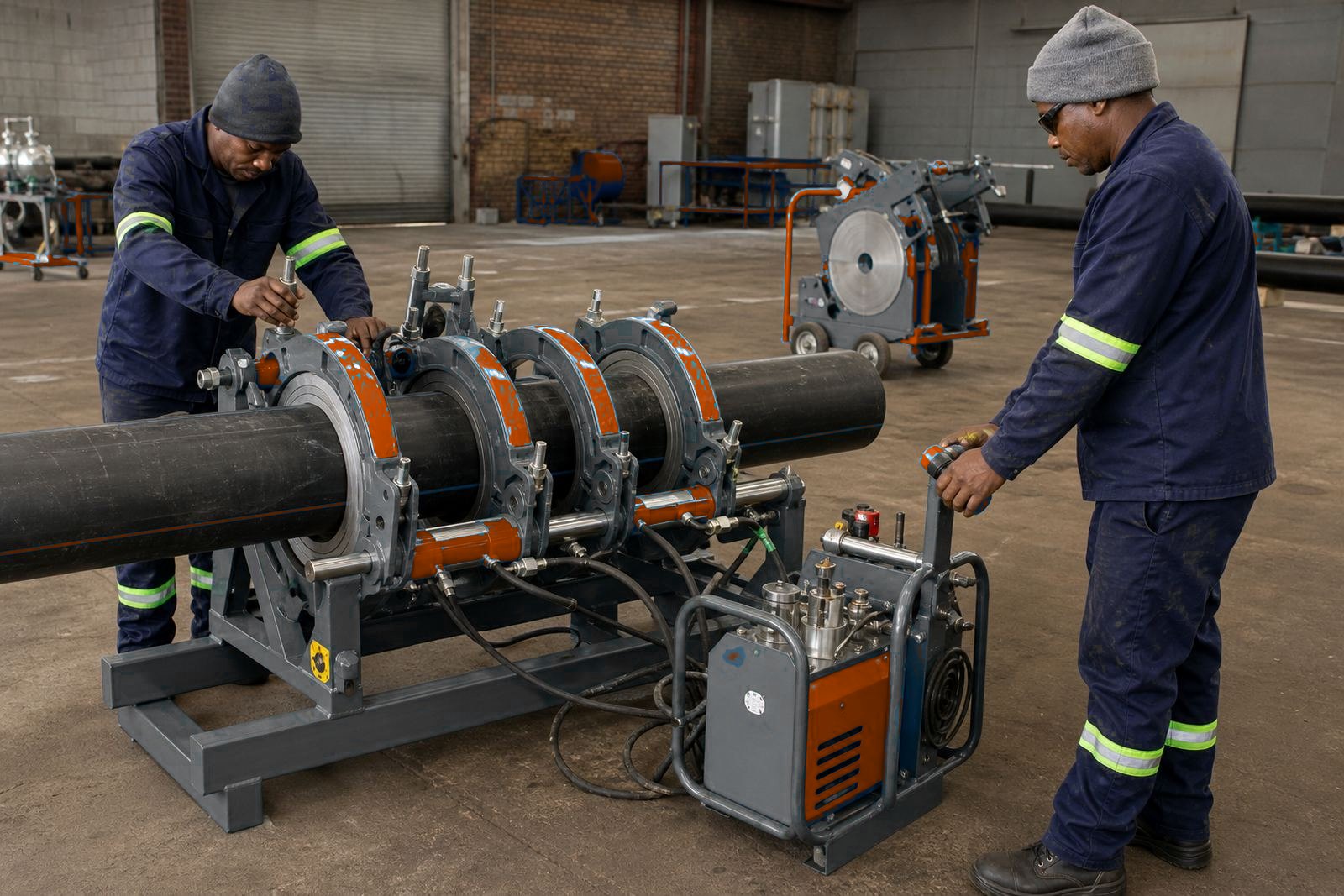
Training is matched to the machine type and the pipe range your crew handles. For smaller repairs or long runs, the principles stay the same but the handling changes. We explain what to watch during heating, how to manage the changeover without dragging the hot ends, and how to judge the bead after fusion.
A kept log should capture the pipe size, SDR, heating time, pressure settings and cooling period. Machines back from hire or idle for a while can be checked before the session.
- Fusion sequence from pipe end prep to release
- Bead appearance and misalignment checks
- Machine controls, gauges and pressure behaviour
- Weld logging guidance for site records
One job sheet per enquiry
The training can include the machine being prepared for the next site. The crew understands the controls they will use, the limits of the machine and the condition checks needed before work begins.
We also support teams that need clamp alignment after the training session. A machine in good condition is easier to run, and it gives the operator a clearer read on pressure and timing during the weld cycle.
How to send the training brief
Send the pipe size range, SDR, site town and number of operators, and say whether they are new to butt fusion. If the machine is on hire, mention that too, along with any faults, worn parts or weld issues the crew has seen.
Training sessions are built around the actual job and its requirements.
For a clear start, send the site name, the pipe range and the help needed on the first day.