Blanket heat for exposed HDPE pipe work
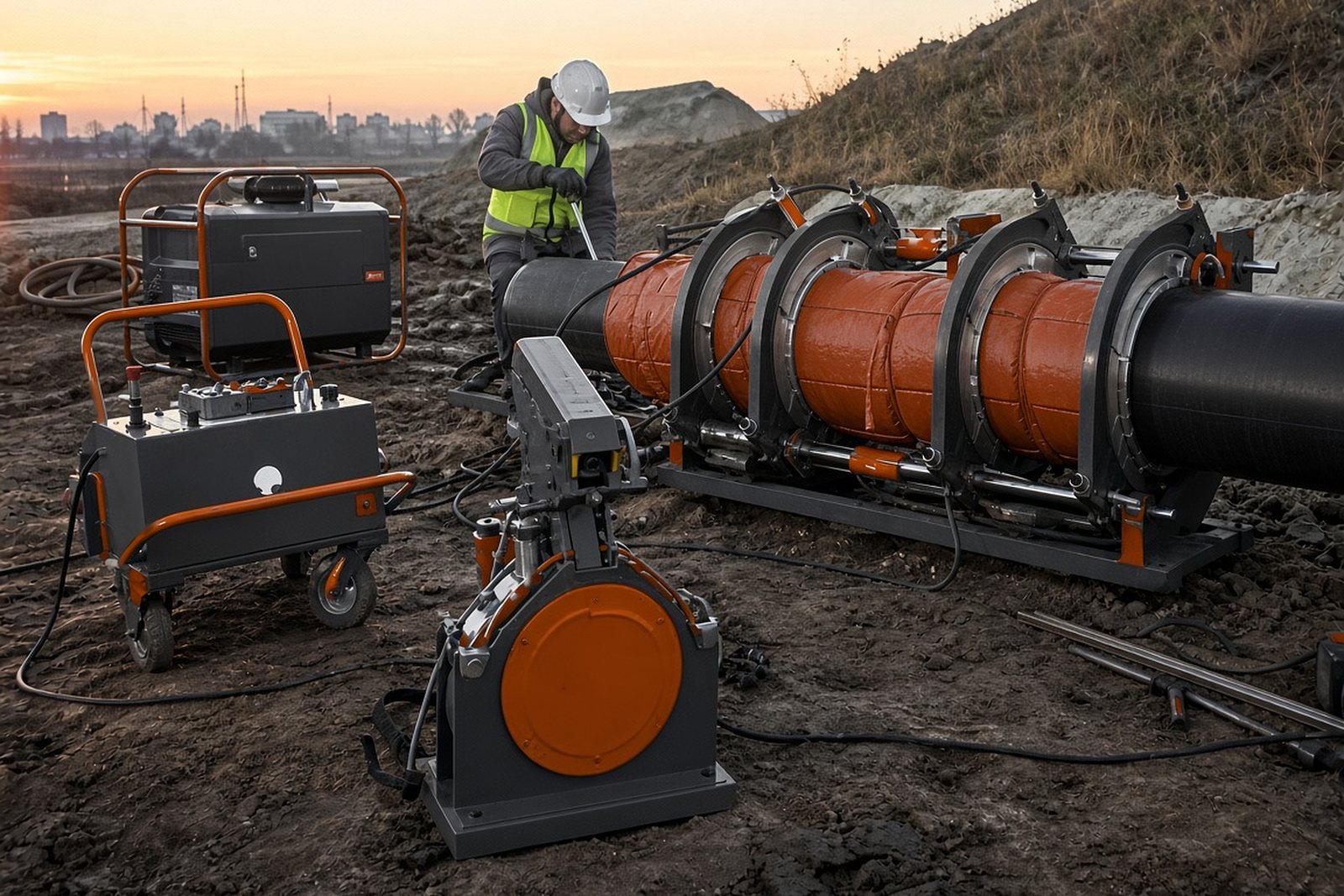
Heating blankets wrap HDPE pipe to raise surface temperature before the fusion cycle. On open sites, coastal yards or Highveld winter work, the pipe can lose heat fast once it is off the stack and laid out for preparation.
Heating blankets give fusion crews a steadier starting temperature at the pipe end. Cold pipe surfaces give uneven first contact with the plate and an untidy bead. A blanket supports the prep stage where the pipe is exposed to wind, drizzle, or cold concrete on site, while proper machine setup stays essential.
- Used with HDPE butt-fusion prep on pipe strings and short lengths
- Helpful for cold mornings, shaded work bays, and exposed laydown areas
- Supports more even pipe temperature before facing and heating
- Suited to crews working outdoors
Sizes and build choices for different pipe diameters
Pick the blanket by pipe diameter, the length of pipe to cover and how far back from the end the pipe must be warmed before fusion. Smaller diameters need a lighter wrap and easier handling, while larger pipe calls for wider coverage and a secure fit that stays in place around the pipe wall. Crews changing SDR classes adjust blanket length and overlap so heat is not one-sided.
Blankets can be specified for common field pipe sizes, from small-bore pipe through to larger bore HDPE. Bigger jobs need enough blanket coverage to warm both ends in sequence while the machine is being set up, clamps aligned and the facer checked.
- Available for a range of HDPE pipe diameters and joint zones
- Choice of blanket length to suit short repairs or longer strings
- Can be matched to different SDR wall thicknesses
- Made for field handling where pipe is moved, lifted and clamped repeatedly
Where the blankets fit into the fusion sequence
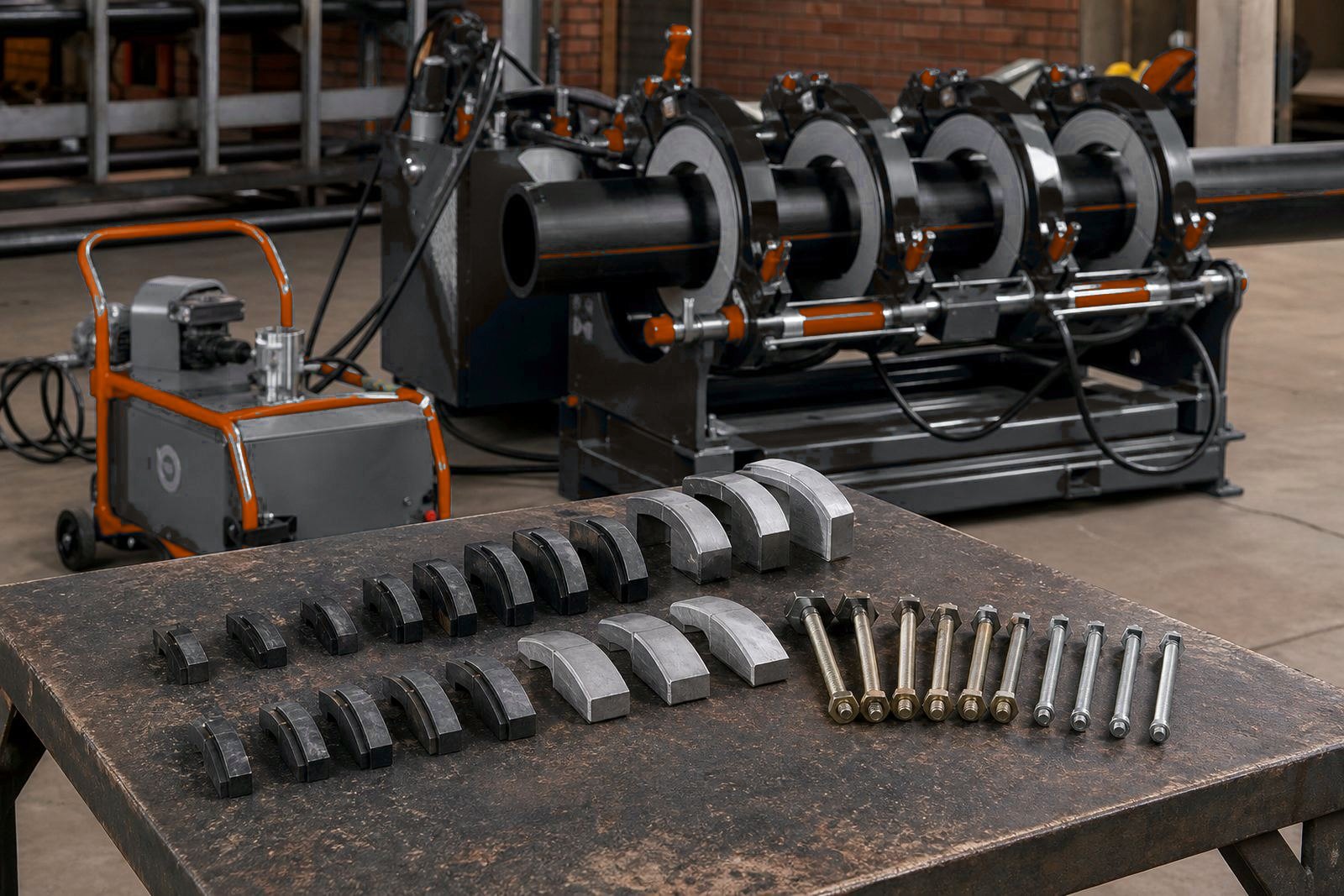
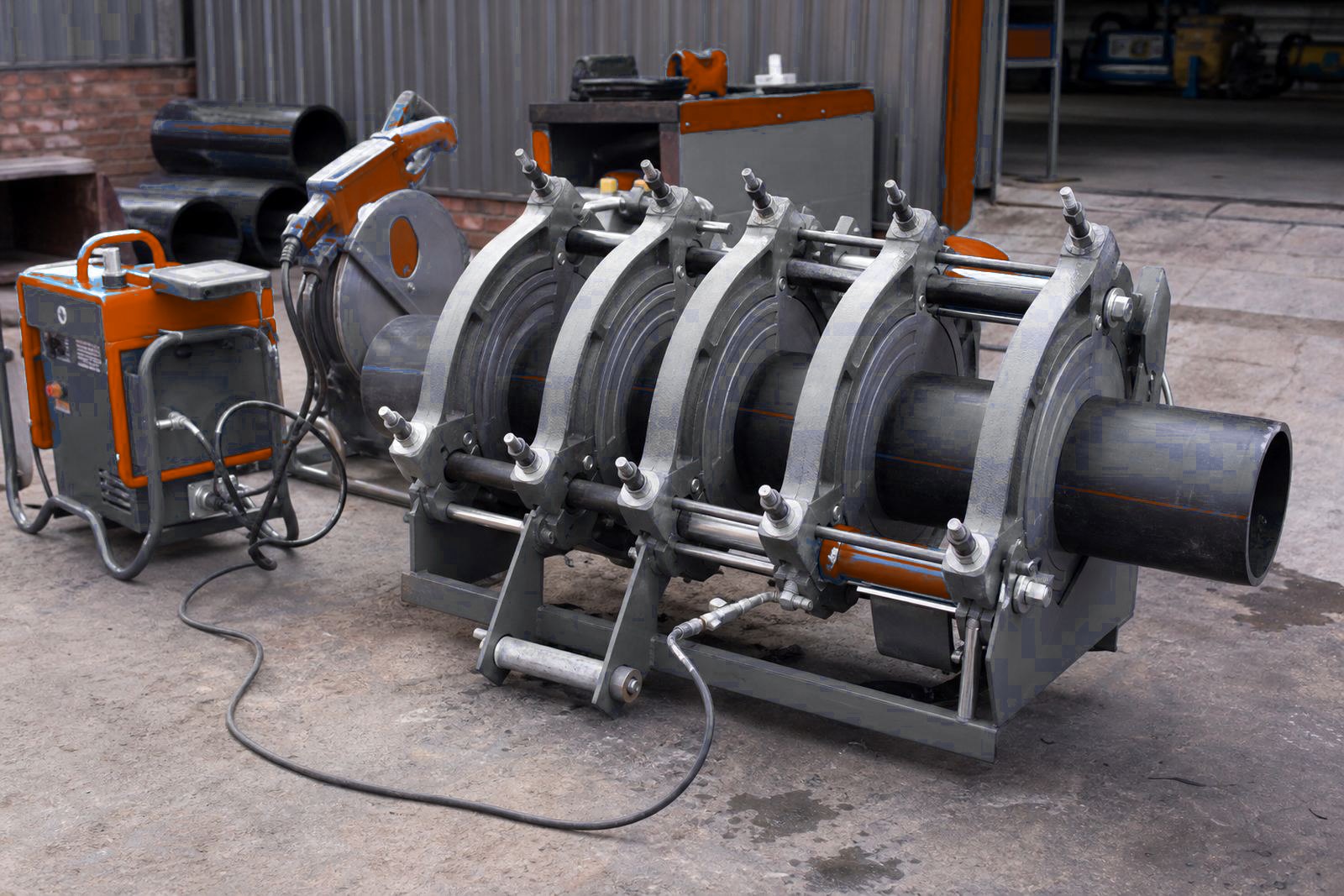
A heating blanket warms the pipe ends during preparation, before the heater plate stage starts. In a normal butt-fusion flow, the pipe is aligned in the clamps, the facer trims the ends clean, the heater plate brings the faces up to fusion temperature, then the plate is removed for the changeover and the two ends are pressed together at the set fusion pressure. The joint then stays under cooling pressure until it is stable enough to release.
By helping the pipe start from a more even preheat, the blanket makes the rest of the sequence easier to keep consistent. Use it where the pipe has sat outside overnight, where wind strips heat from one side, or where the crew is working far from a covered store.
- Supports the pipe before facing and heater plate contact
- Useful where heat loss affects the first stage of the weld cycle
- Pairs with clamp alignment, facer work and pressure control
- Helps crews manage temperature swing before the joint is made
Fitting, power and site handling
Most pipe heating blankets are fitted directly around the pipe section or the prepared area, then secured so the heat sits where it is needed. Pipe size and blanket format set the fitting method. Crews should keep the pipe clean and dry before placing the blanket, because grit, mud and moisture can create hot and cold patches on the outside surface. Where a joint area is crowded with clamps, the blanket must be placed so it does not interfere with the machine setup or the facer sweep.
The blanket uses mains power and should be plugged through the correct supply arrangement for the site. Blanket cables should be kept neat, protected and away from moving plant. Because the blanket is part of a hot-work sequence, the operator should keep an eye on the pipe surface and not leave the blanket sitting where it can overheat one section for too long.
- Place on clean pipe before the fusion cycle begins
- Keep cable runs safe and clear of traffic and pinch points
- Watch the joint zone so heat is spread evenly across the pipe wall
- Remove or reposition only when the pipe is at the intended preheat level
Care that keeps the blanket serviceable
A heating blanket on a fusion site takes dust, pipe shavings and rough handling. After use, let it cool naturally before it is packed away. Do not fold it while it is still hot and do not stack heavy tools on top of it in the truck. If the outer cover picks up oil, wet cement or muddy water, wipe it down before storage so the material does not break down around the edges.
For crews working near the coast, salty air and damp storage can shorten the life of electrical parts if the blanket is left in a wet bag or on the floor of a trailer. A dry storage spot and a quick visual check before the next shift helps pick up cracked leads, damaged stitching or worn insulation early. The blanket should also be checked against the pipe size it is meant for, because an undersized wrap tends to sit tight and uneven.
- Store it dry and clean, raised clear of the truck floor where possible
- Inspect leads, seams and insulation before use
- Store by pipe size so the right blanket is easy to grab on site
Details to confirm when placing an order
When a contractor is ordering pipe heating blankets, the most useful details are practical ones. Pipe diameter, SDR, the usual site conditions and whether the work is mainly on new build or repair joints all help match the blanket to the job. Those notes guide storage and use in dust, coastal humidity and winter cold.
Say whether the blanket will be used on short repairs or long runs. Where there is a logging requirement, the site may also want to keep the heating step noted alongside the fusion record.
- Typical joint length or heated section length
- Site conditions such as wind, cold mornings or exposed work areas
- Power arrangement on site and cable length needs
- Any need for data logging or weld record support around the job
Key facts
| Product type | Pipe heating blanket for HDPE fusion preparation |
|---|---|
| Use | Preconditioning pipe ends before facing and butt-fusion |
| Power | Mains powered electrical heating |
| Pipe range | Available across common HDPE diameters and SDR classes |
| Working context | Cold weather, wind exposure, coastal humidity and open sites |