What the 315mm heater plate does on an HDPE joint
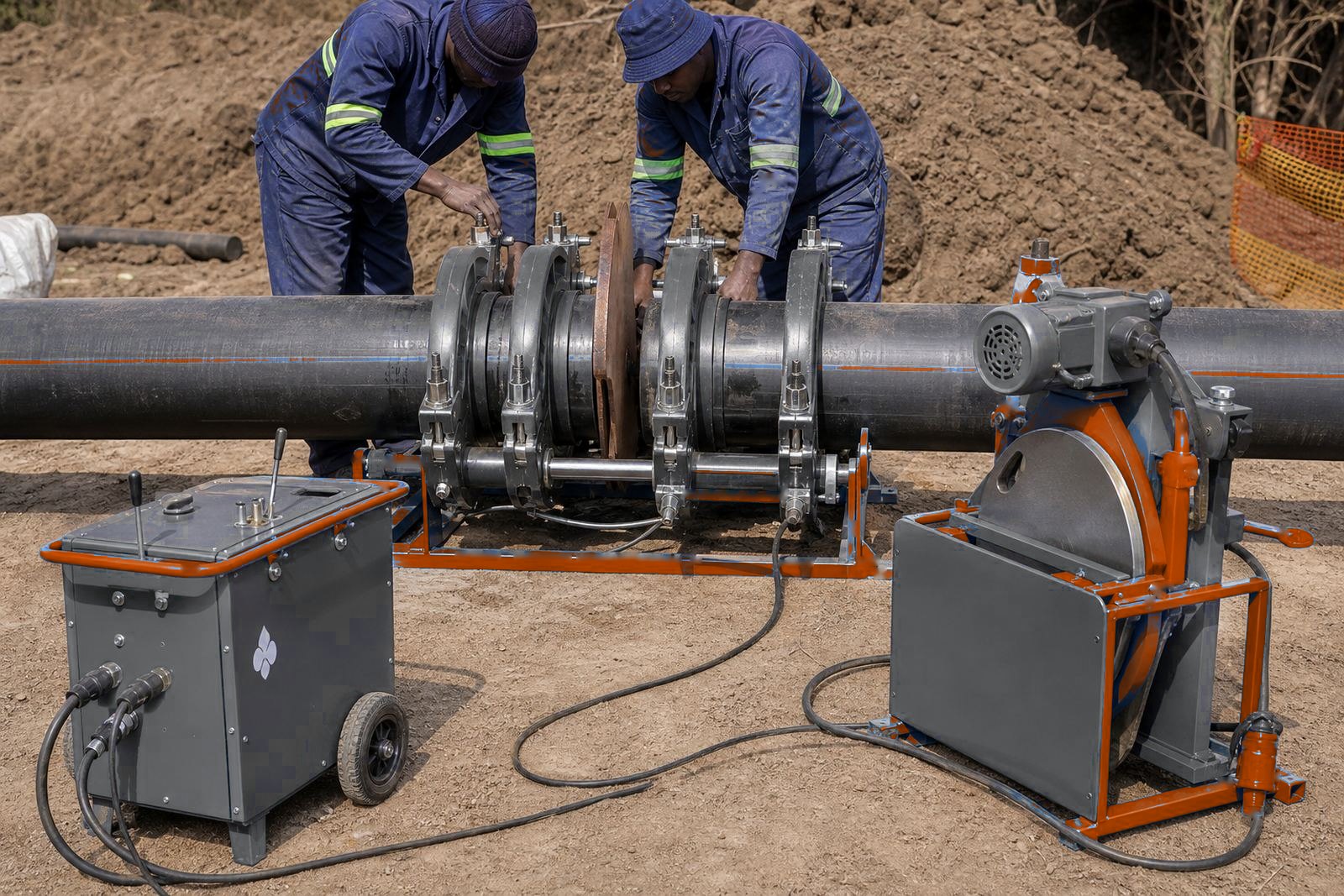
For 315mm pipe, the plate brings both ends up to fusion temperature so the softened faces can be brought together under controlled fusion pressure. Hot spots or scars on the face give an uneven bead and weaken the joint.
This size is often used on water reticulation where the pipe diameter has moved beyond the small contractor kit. It is a practical size for crews working with SDR changes on the same machine, provided the operator checks the correct heating and cooling sequence each time.
- Used in butt-fusion welding of HDPE pipe
- Designed for 315mm pipe diameter work
- Supports even heat transfer before changeover
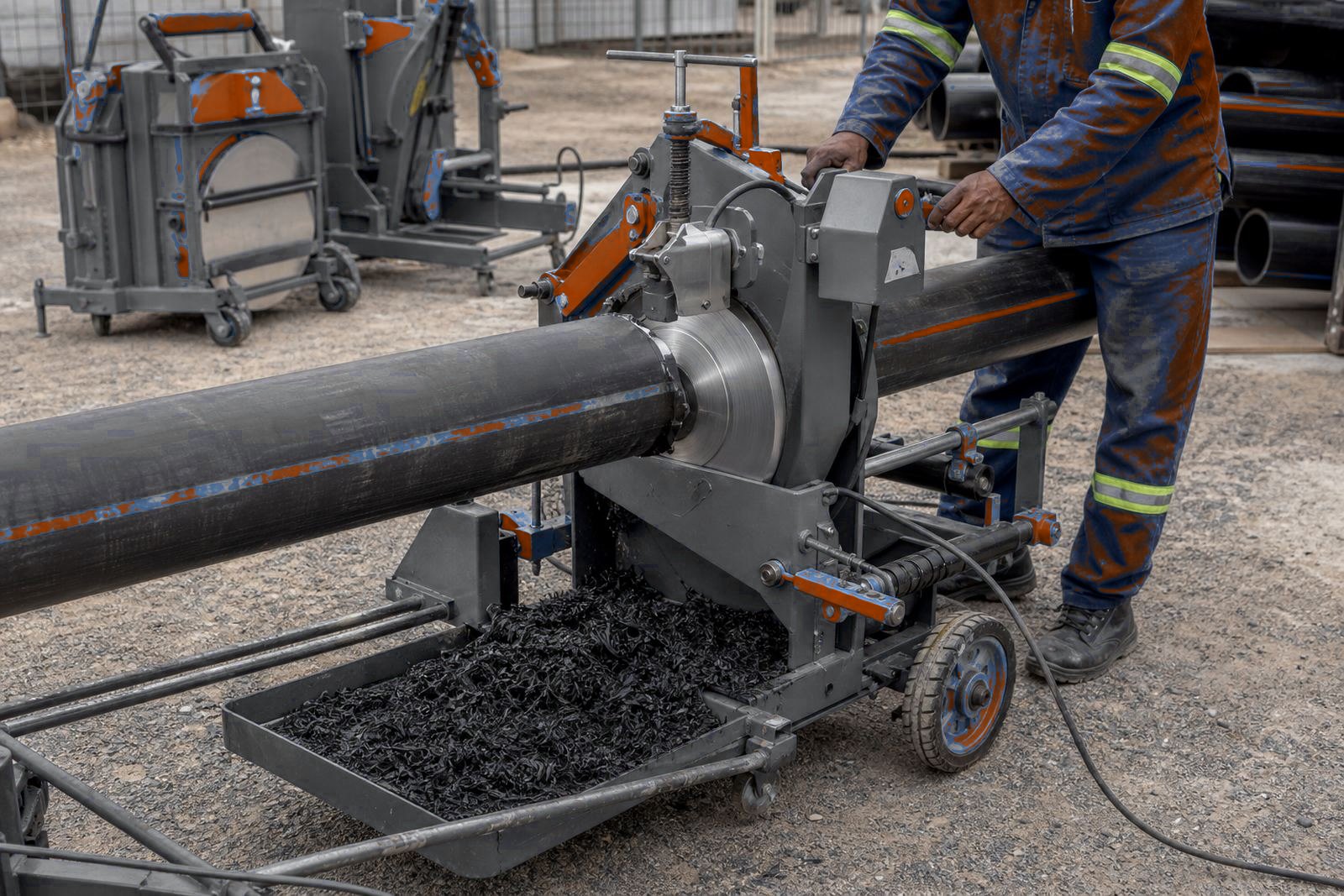
- Works with facing, heating, fusion pressure and cooling control
Pipe sizes, SDR ranges and job types it suits
The 315mm heater plate suits mid-size fusion jobs where the pipe wall and SDR call for a stable heat face and careful timing. The actual heating time changes with wall thickness, ambient temperature, pipe condition and the fusion procedure being followed on site. In the field, this applies on long runs, repairs and tie-ins where the bead must be consistent from one joint to the next.
Our team sees this size most on municipal water work. It is a good fit where the crew is working with a matching 315mm machine and wants a heater plate that gives predictable results on repeated joints.
- For 315mm HDPE butt-fusion machines
- Suitable across common SDR pipe ranges used on site
- Helpful for repeat joint quality over long runs
Heating face, changeover and bead control
The changeover window on a 315mm plate is short, so the operator needs a settled routine and space around the machine.
On the finished joint, check the bead shape. Thin sides or an uneven roll on the bead point to poor alignment or a hurried changeover. Our training covers the practical reading of the bead, because on site the joint must look right before it is signed off.
- Requires clean plate surfaces and correct pipe alignment
- Supports controlled changeover from heat to pressure
- Bead inspection helps spot uneven heat or poor fit-up
Fitting and electrical checks before the first weld
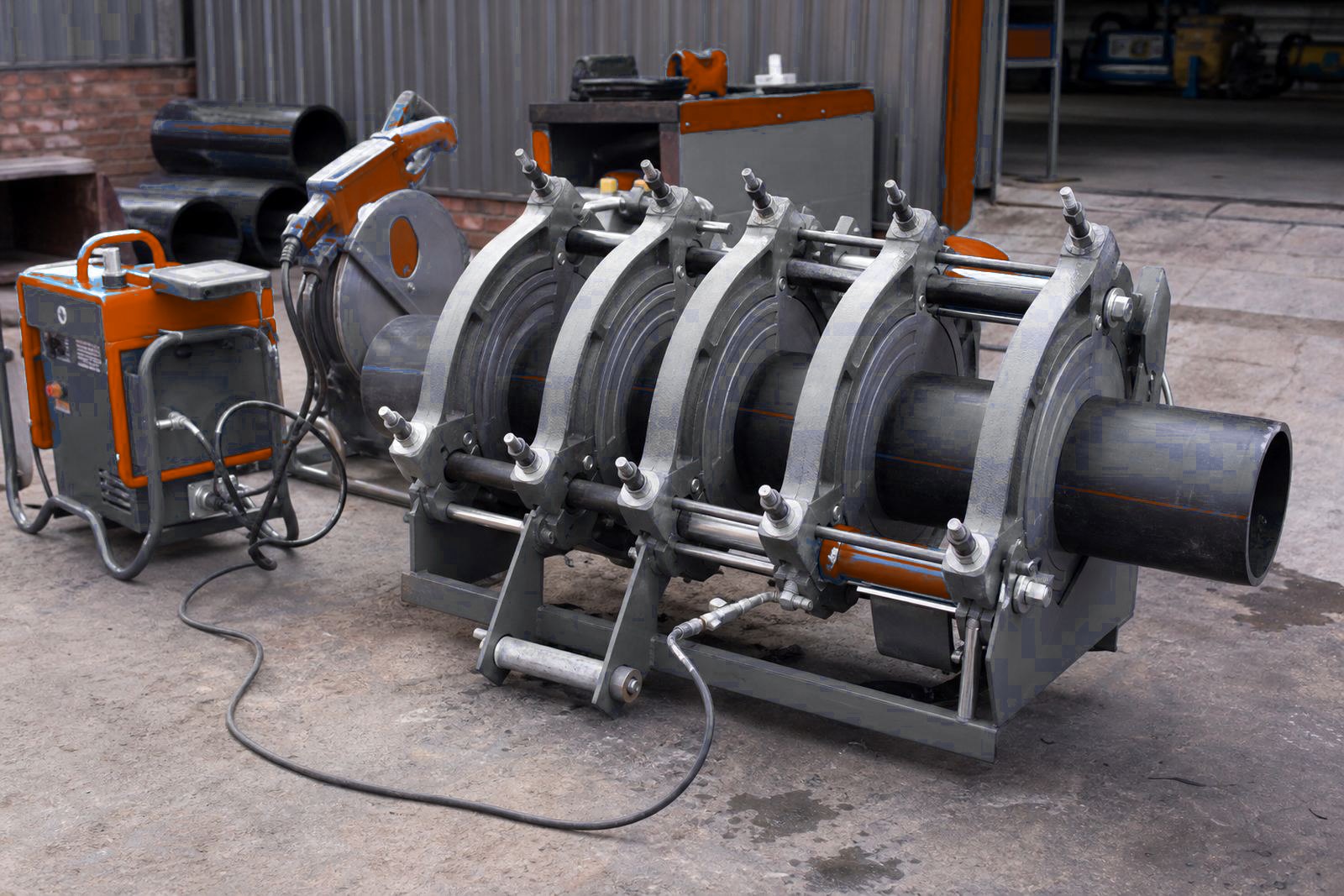
Seat the plate firmly in the carriage so it makes full, even contact when hot. Before use, operators check the surface for scratches, burnt residue, embedded plastic and any sign of warping. A warped 315mm plate prints its defect into the joint even on a well-set machine.
Because this plate uses electrical heating, the supply needs to be sound, with the correct lead, plug and temperature control arranged for the job. On site we also look at cable condition, thermostat behaviour and whether the plate reaches and holds its working range without hunting around the setpoint. Dusty or wet sites need a storage and handling routine planned with the weld cycle.
- Check flatness, surface wear and electrical condition
- Confirm the mounting fit on the fusion machine
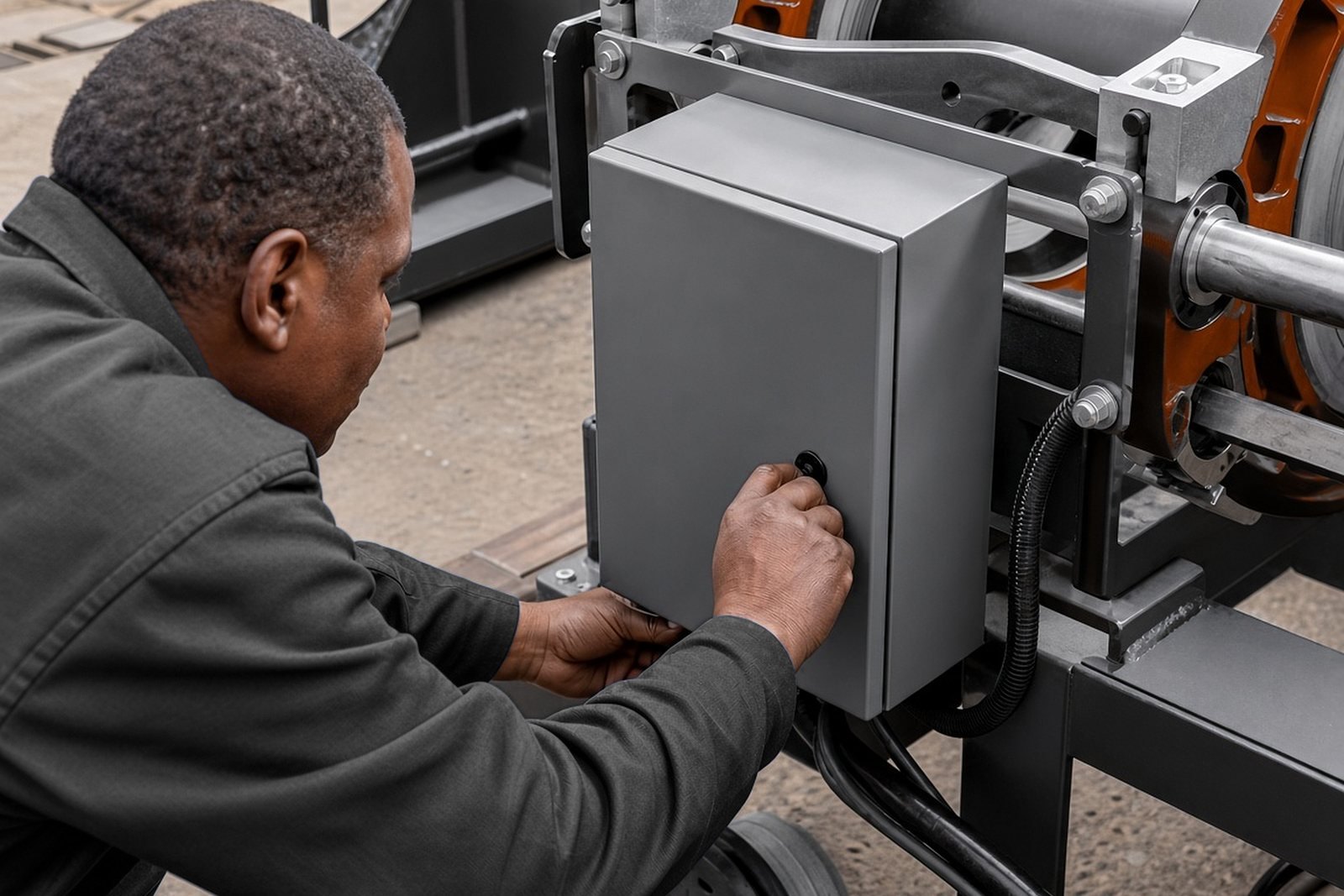
- Inspect cable, plug and control gear before use
- Keep the plate clean during transport and storage
Care on site and in the workshop
Wipe the 315mm plate when it is warm but off working temperature to protect the coating. Remove plastic residue with a soft scraper and a lint-free cloth so the face is not scored. A light, even layer on the heating face is usually fine, but burnt build-up changes the heat transfer and can affect the next joint.
Crews working near coastal humidity or in dusty yard conditions need proper storage. Keep the plate dry, covered and secured so it does not take knocks on the road. If the unit is being hired out, the return inspection should include the face, heat-up behaviour and the condition of the handles or frame. That kind of check avoids hidden faults turning up at the wrong moment on site.
- Clean after use with the correct non-damaging method
- Store dry and protected from impact
- Inspect heating face, frame and controls regularly
- Include plate checks in hire returns
What to confirm before ordering this plate
When ordering a 315mm heater plate, check the pipe size, machine make-up, mounting style and control setup so the plate fits properly and heats in the right way. Specific carriages or control boxes are matched before the 315mm plate goes out or joins the hire fleet.
Confirm whether the crew needs a plate only, or a full fusion package with facer, clamps and logging support. We supply equipment and operator training for teams working across South Africa.
- Confirm machine compatibility and mounting style
- Confirm pipe diameter and SDR range on the job
- Check whether temperature control and cables are included
- State if the unit is for purchase or hire
Key facts
| Product | 315mm Heater Plate |
|---|---|
| Use | HDPE butt-fusion heating plate for mid-size pipe joints |
| Pipe size | 315mm |
| Typical work | Heating 315mm pipe faces |
| Power | Electric heated plate with temperature control |