What the logger records on a fusion joint
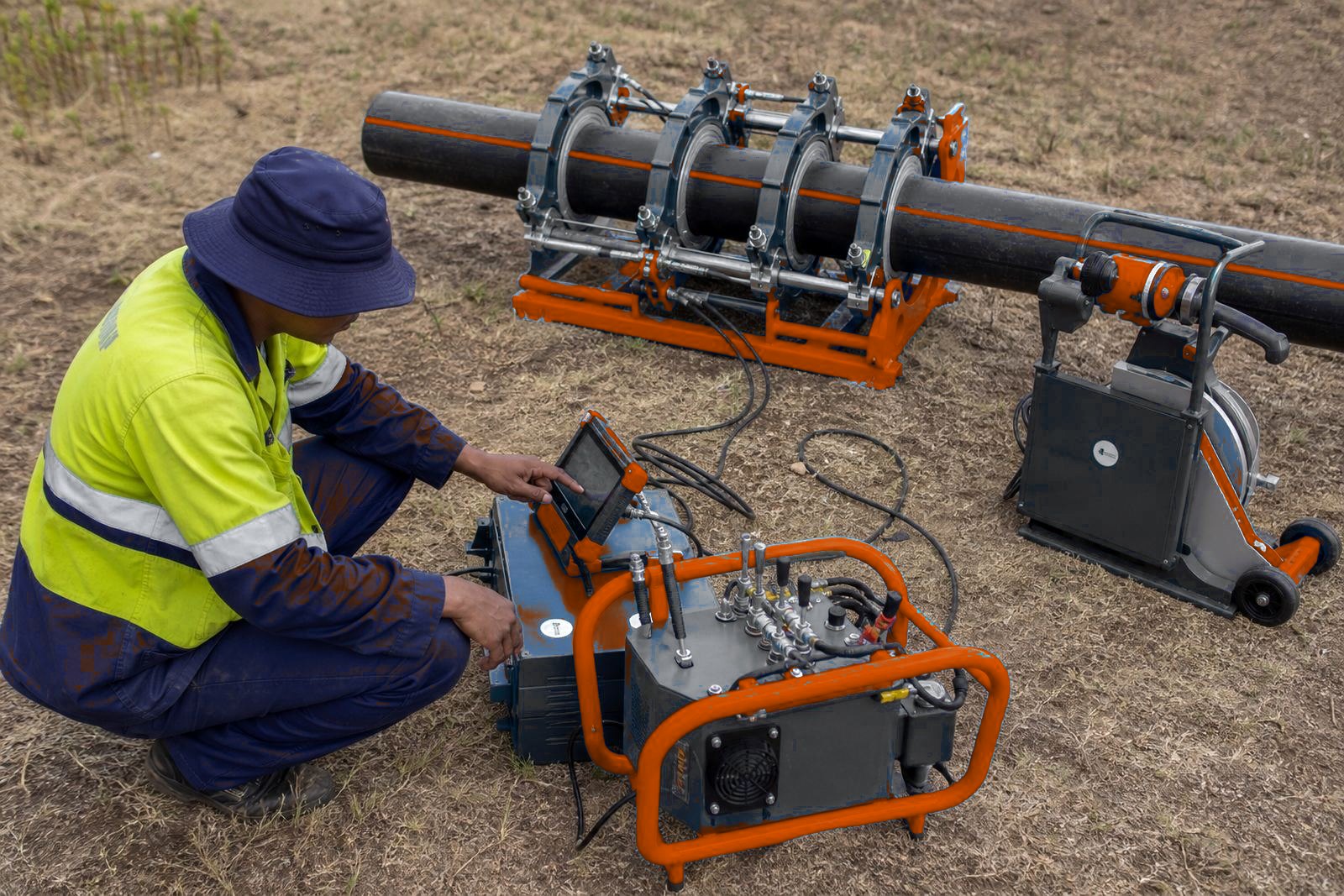
The data logger kit records each butt-fusion joint clearly. It captures the heating phase, the changeover point, applied fusion pressure, cooling time and the cycle sequence around the weld, so the team can review what happened on the pipe line. On municipal work, that record helps when joints are checked later, or when a contract asks for traceable weld data.
The kit suits HDPE pipe work across a wide spread of SDR ratings and pipe diameters, from smaller site runs to larger mains and plant services. It is the sort of add-on that sits close to the welding machine, yet carries its own weight when job cards, handover packs and inspection notes need to line up with the actual weld.
Logger sizes and working format
Different work faces call for different logging depth. Temperature and pressure only, or full cycle data with a printed or digital trail, are the two common logger setups. The kit can be supplied in compact site format for portable welding sets, or in a fuller package for regular crews and hire fleets that move between projects.
- Temperature capture for heater plate checks during fusion work
- Pressure recording through the squeeze, heat soak and final fusion stage
- Cycle timing for changeover and cooling periods
- Job memory for repeated weld records on one project
- Simple review of previous welds for the site supervisor or quality lead
Where the welding team works on long water reticulation runs or mixed pipe sizes, data logging takes pressure off manual note-taking.
Fitting the kit to a butt-fusion machine
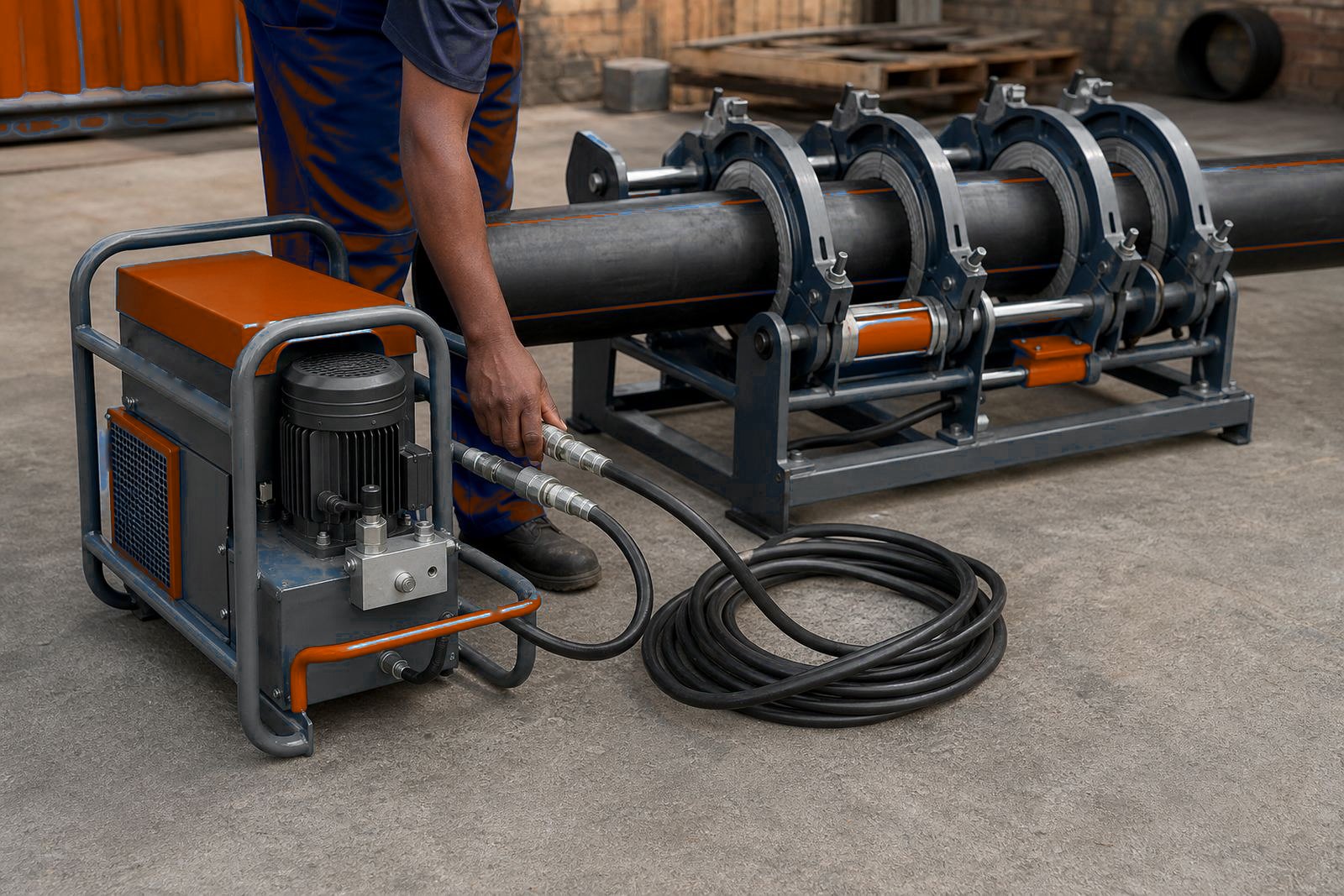
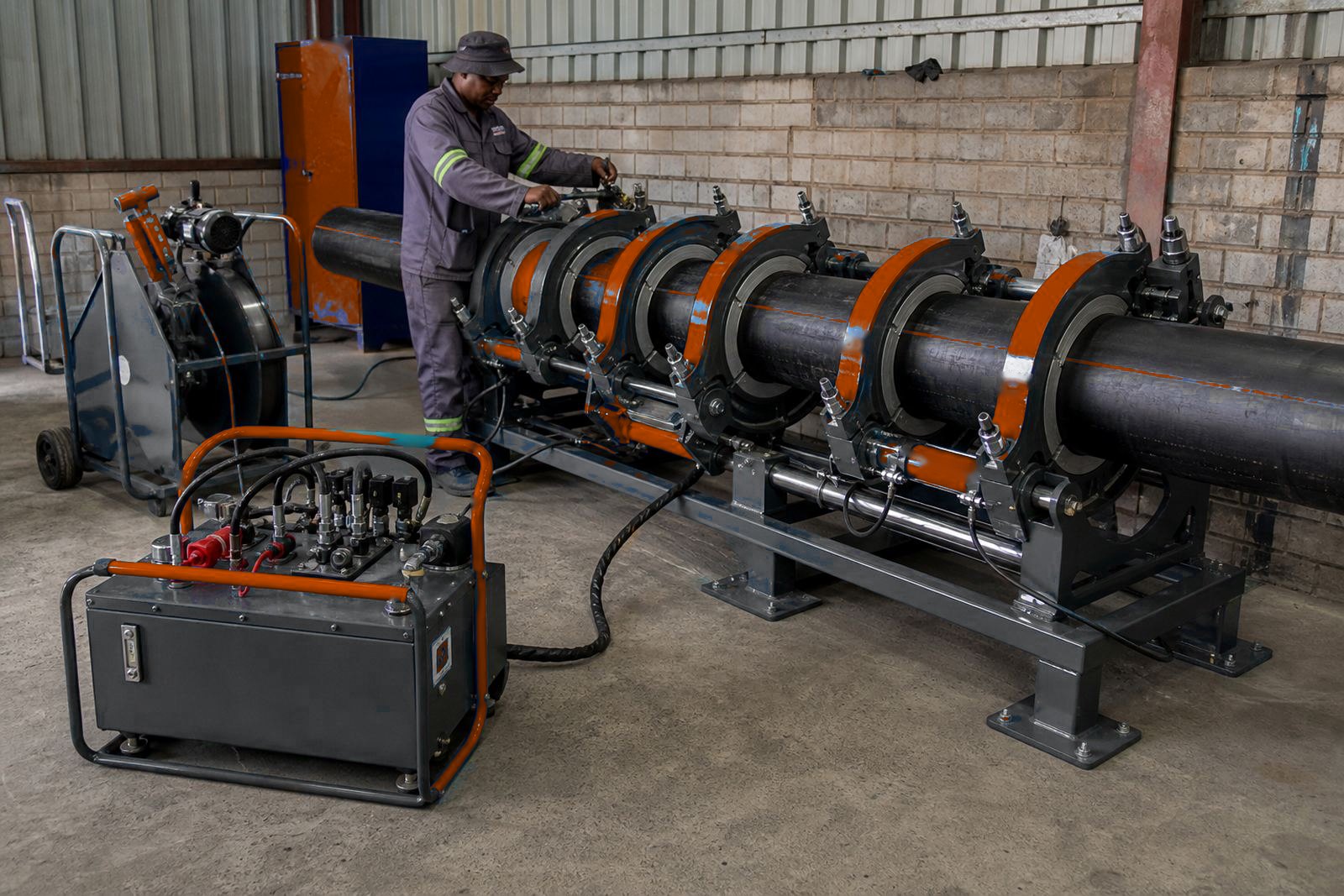
We install the logger to suit the machine frame, the control layout and how the crew collects data. Some kits integrate neatly with the machine panel, while others are fitted as a separate unit with probes and leads placed where they will not snag during pipe handling. Mount the logger where the operator reads it without stepping away from the joint.
For practical site use, the fitting must allow proper access to facing, clamping and heater movement. A poor mount can get in the way when the facer is withdrawn or when the pipe ends are brought into line. Busy jobs with frequent joint changes need a fixed logger position that stays readable through gloves, dust and rain.
- Suitability for manual or semi-automatic butt-fusion sets
- Probe routing that avoids the clamp travel area
- Screen position visible from the operator side
- Data export method that matches the project record system
Where the logger is used on site
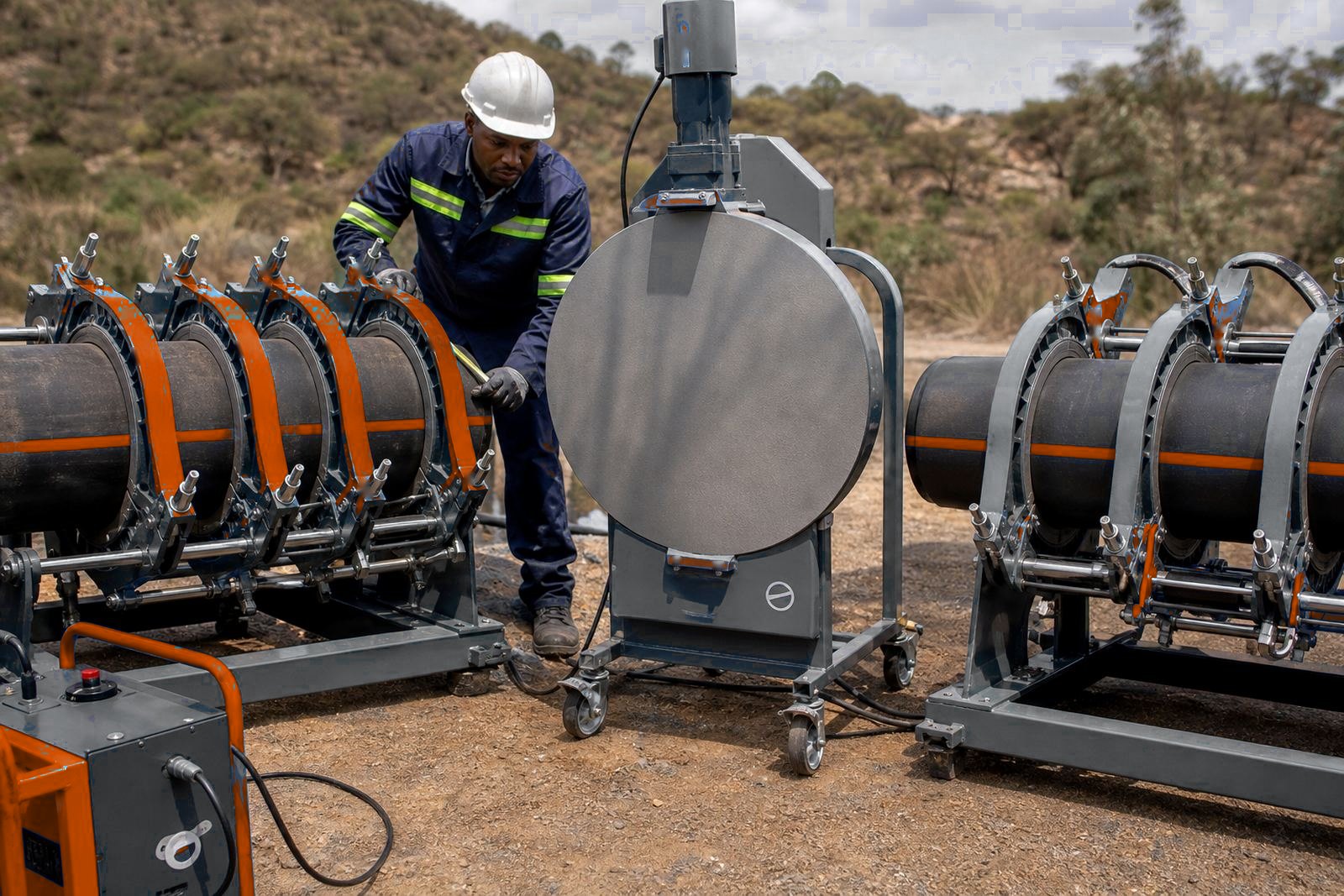
The data logger kit suits contractors who need clean records for HDPE welding on municipal pipelines. Shutdown work with several welders on one machine benefits from logs that show who welded each joint and with which settings. On hire jobs, the machine leaves the yard with the logger set up to record each joint.
In coastal humidity or inland dust, the logger has to cope with rough handling and dirty gloves. It is still a measuring tool, so it should be kept away from water spray, crushing loads and careless cable pulls. Where the crew shifts between field joints and workshop prep, a solid data log becomes part of the everyday weld pack.
Care, checks and everyday handling
Store and calibrate the logger as test equipment. The screen should be cleaned gently, leads checked for wear and probes looked over before the shift starts. A drifting plate reading or odd pressure trace means the logger is checked before the next weld set. Check the logged times and pressures against the weld table before the record is handed over.
Keep the unit dry, store it in a padded case, and avoid leaving it loose under tool bags or pipe clamps. Battery condition, connector wear and memory storage should be checked as part of normal servicing. If the site runs long shifts and the machine moves between teams, clear old files and name each new job. That avoids confusion later when the weld log is needed for a handover.
What to confirm when ordering a kit
To order the right logger, tell us the welding machine type, the pipe range and how the crew keeps records. A contractor working on 110 mm to 315 mm water pipe may need a smaller logger setup than a team welding larger bore lines on mining ground.
- Machine make and frame style
- Need for printed output, digital file export or both
- Number of operators using the same machine
- Site conditions such as dust, rain and rough transport
- Whether the kit must support hire stock or permanent fleet use
The same kit can be fitted to a hire machine.
Key facts
| Product | Weld data logger kit for HDPE butt-fusion work |
|---|---|
| Core readings | Heater temperature, fusion pressure, soak time, changeover time, cooling time |
| Pipe range | Suitable across common HDPE diameters and SDR classes |
| Output | Digital record, file export or printed job trace depending on kit format |
| Use cases | Recording joint data on HDPE welds |
| Fitment | Mounted to compatible butt-fusion machines with probe and lead routing |